Unveiling Qigong: Your Amazing Journey to Inner Harmony
Qigong is a treasured practice from ancient Chinese civilization, a true gem. You can simply understand it as "the art of cultivating life energy." For many,
Qigong combines elements of yoga and meditation. However, it uniquely focuses on internal energy cultivation, offering a pathway to profound self-discovery. This holistic approach deeply supports both mind and body wellness. Explore more about its history and practice at Qigong & Tai Chi Basics.
Understand Your Energy: Feel More Alive
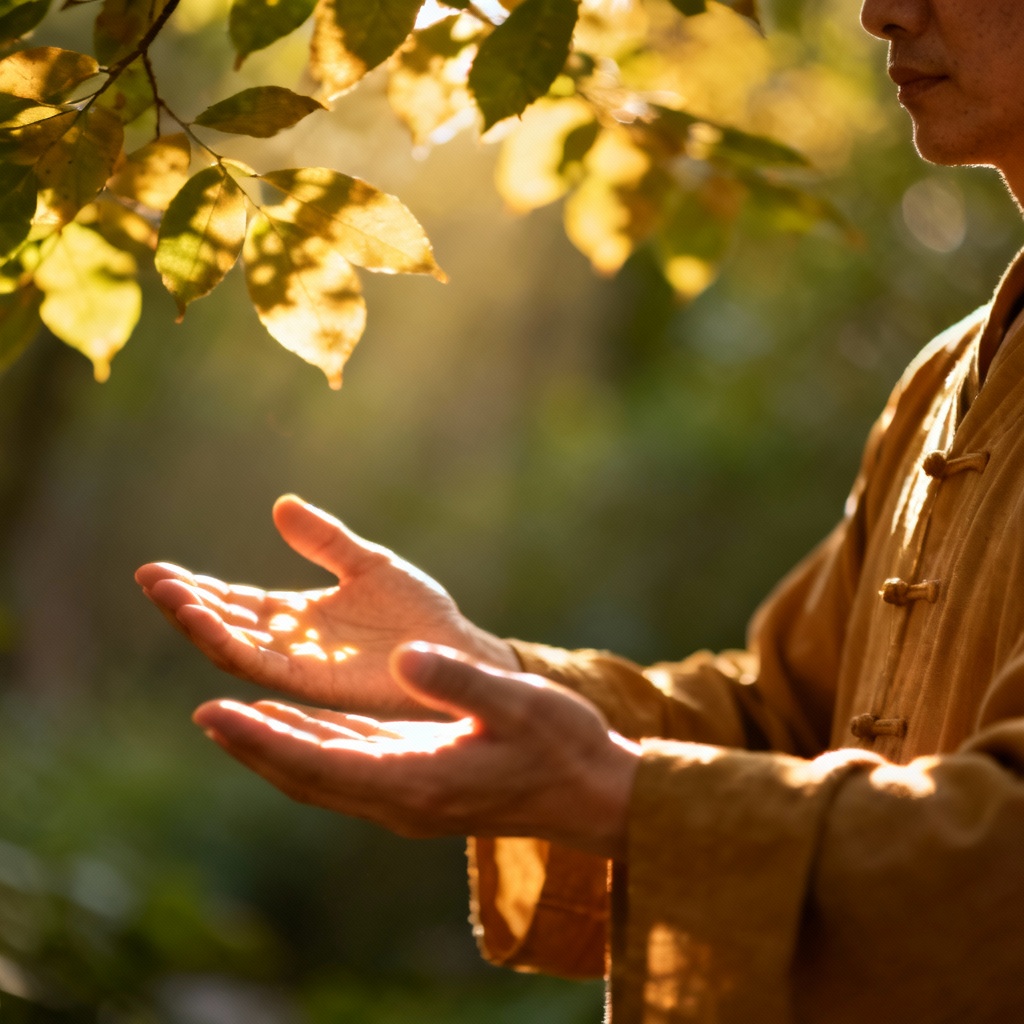
"Qi" in Traditional Chinese Medicine refers to your vital life energy. It's similar to "prana" in Indian yoga or Western "life force." Modern science suggests this energy might relate to bioelectrical fields (
PMID). It also connects with nerve conduction and cellular metabolism. When your Qi flows freely, you feel naturally healthy and vibrant. However, when your Qi becomes sluggish, like a traffic jam in your body, illness or aging can often result.
Master Your Practice: Balance Body, Breath, and Mind
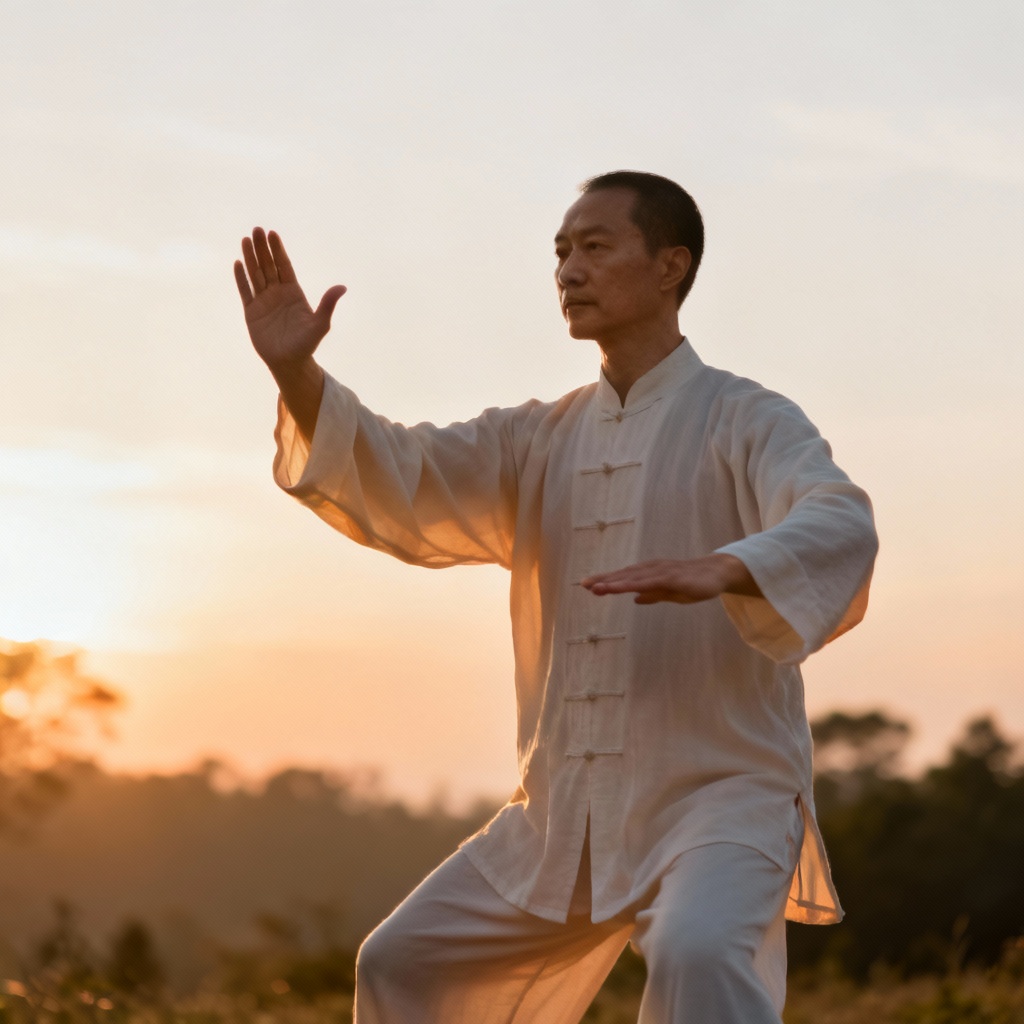
Qigong practice involves three core, interconnected elements to achieve optimal balance. These are body posture, known as Tiao Shen, and specific breathing methods, called Tiao Xi. The third element is focused intention, or Tiao Xin, promoting deep mindfulness. Working together, these components deeply guide your internal energy flow. Specific movements, rhythmic breathing, and mental focus consciously regulate your vital Qi. This balance is fundamental to your well-being, influencing everything from energy levels to emotional stability. Understanding these foundational principles can significantly enhance your practice and overall health. Discover more about Qi and Blood flow here.
Choose Your Style: Find Your Perfect Flow
Quiet Qigong practices, like Zhan Zhuang and deep meditation, cultivate inner energy. These involve stationary postures, much like traditional mindfulness practices. Active
Qigong includes Tai Chi and Ba Duan Jin, also known as the Eight Brocades. These styles use slow, flowing movements to guide blood and Qi circulation. The Five Animal Play mimics various animal movements, offering both fun and practical benefits.
Experience the Benefits: Boost Your Well-being
Modern research increasingly confirms the widespread benefits of Qigong practice. It effectively helps lower blood pressure and improves heart rate variability (
PMID). Qigong also robustly boosts immune function and significantly reduces chronic pain. Furthermore, it offers remarkable help for anxiety, depression, and persistent insomnia. Chronic fatigue syndrome and other modern urban ailments profoundly benefit from regular practice. These
mind-body benefits of Qigong and related practices are truly transformative, enhancing overall life quality.
Start Your Practice: Simple Steps for Beginners
Beginners should confidently start with simple practices, such as Ba Duan Jin or Tai Chi. Aim for 15-30 minutes of daily practice to truly see results. Focus on mastering abdominal breathing, a fundamental Qigong component. Your abdomen should naturally expand as you inhale deeply and fully. Then, gently contract your belly as you exhale softly and completely. Perform all movements slowly, lightly, and smoothly, like gracefully flowing clouds and water. This mindful approach helps you connect with your body's natural rhythm and promotes overall
healthy living.
Clear Up Misconceptions: Practice with Confidence
Qigong is not a religion, thankfully requiring no specific faith. It is also not a martial art, so forget about chasing strength or speed. Instead, modern
Qigong truly functions as a profound mind-body health lifestyle. Anyone, regardless of age or physical condition, can safely practice Qigong, experiencing its myriad benefits.
Optimize Your Practice: Maximize Your Connection
First, find a peaceful and quiet environment for your Qigong practice. Wear loose, comfortable clothing for completely unrestricted movement. Practice on an empty stomach or wait at least one hour after eating. Maintain a natural, gentle smile and keep your mind thoroughly relaxed. Initially, you might not feel the "Qi sensation," which can feel like a gentle internal current. This initial experience is perfectly normal for beginners, so don't be discouraged. Consistent practice for several weeks will definitely bring clearer, more profound experiences.
Embrace Qigong: Your Path to Lasting Wellness
Qigong is truly a perfect example of preventative medicine. It effectively teaches you to converse with your own body deeply. This practice helps you find inner balance amidst today's fast-paced, busy life. For Americans, it is a wonderfully practical stress management tool. It also serves as an effective daily health maintenance system, promoting holistic well-being (
PMID).
References
(PMID: 25419991) This review explores the physiological mechanisms behind Qigong's effects, linking it to biological energy fields.
(PMID: 32675661) Research indicates Qigong and Tai Chi significantly improve cardiovascular health indicators like blood pressure and heart rate variability.
(PMID: 25777174) Qigong is recognized as a profound practice for enhancing overall health, promoting well-being, and acting as a preventive medicine.
Quick Self-Test & 30-Second Refresh
Quick 3-Second Self-Test:
- If you feel scattered and overwhelmed → you need mental clarity.
- If your body feels stiff or tired → you need more energy flow.
- If your breath is shallow and rapid → you need calming breath.
Your 30-Second Qigong Refresh:
If you answered yes to any, immediately try this: Gently stand, feet shoulder-width apart. Softly place your hands on your lower abdomen. Inhale slowly through your nose, allowing your belly to gently expand. Exhale calmly through your mouth, allowing your belly to softly contract. Repeat this soothing abdominal breath 5 times. Feel the instant calming effect.
Medical Disclaimer:This article is for educational use only and is not a substitute for professional medical advice.