Unveiling Shared Wonders: Common Ground in Qigong vs Tai Chi
Embrace Harmony: Balance Your Body
Qigong and Tai Chi are deeply rooted in classical Traditional Chinese Medicine theories, forming the bedrock of their healing practices. These practices utilize foundational concepts like Yin and Yang, the Five Elements, and the intricate network of Meridians. Understanding these systems is key to unlocking wellness. Explore more about these fundamental principles on our Five Elements page. Meridians are like invisible energy pathways, carrying vital life force throughout your entire body. Their ultimate goal is always to harmonize the body and mind, fostering a profound sense of balance and peace. This holistic approach supports overall health and profound well-being, enhancing vitality for dedicated practitioners. Research consistently highlights the positive impact of such mind-body practices on overall health (PMID: 32015259).Master Your Breath: Boost Your Energy
Both Qigong and Tai Chi place immense importance on proper breathing techniques. They emphasize methods like diaphragmatic breathing and guided energetic respiration. These techniques deeply regulate the body's internal vital energy flow, ensuring smooth circulation. This focused breathing cultivates inner calmness and enhances overall physical vitality. Consistent practice supports a more balanced and energized self. Studies confirm that Qigong practice significantly improves physical and mental health in various populations (PMID: 30424599).Find Your Center: Unite Body and Mind
Practitioners of both arts learn to blend active movement with profound moments of stillness. They emphasize cultivating internal awareness alongside external physical postures. This integration seeks to achieve a deep state of body-mind unity. It connects your inner consciousness with your physical presence. This unique synthesis fosters tranquility and enhances holistic self-awareness.Diving Deeply: Exploring Unique Distinctions
Discover Your Flow: Choose Your Path
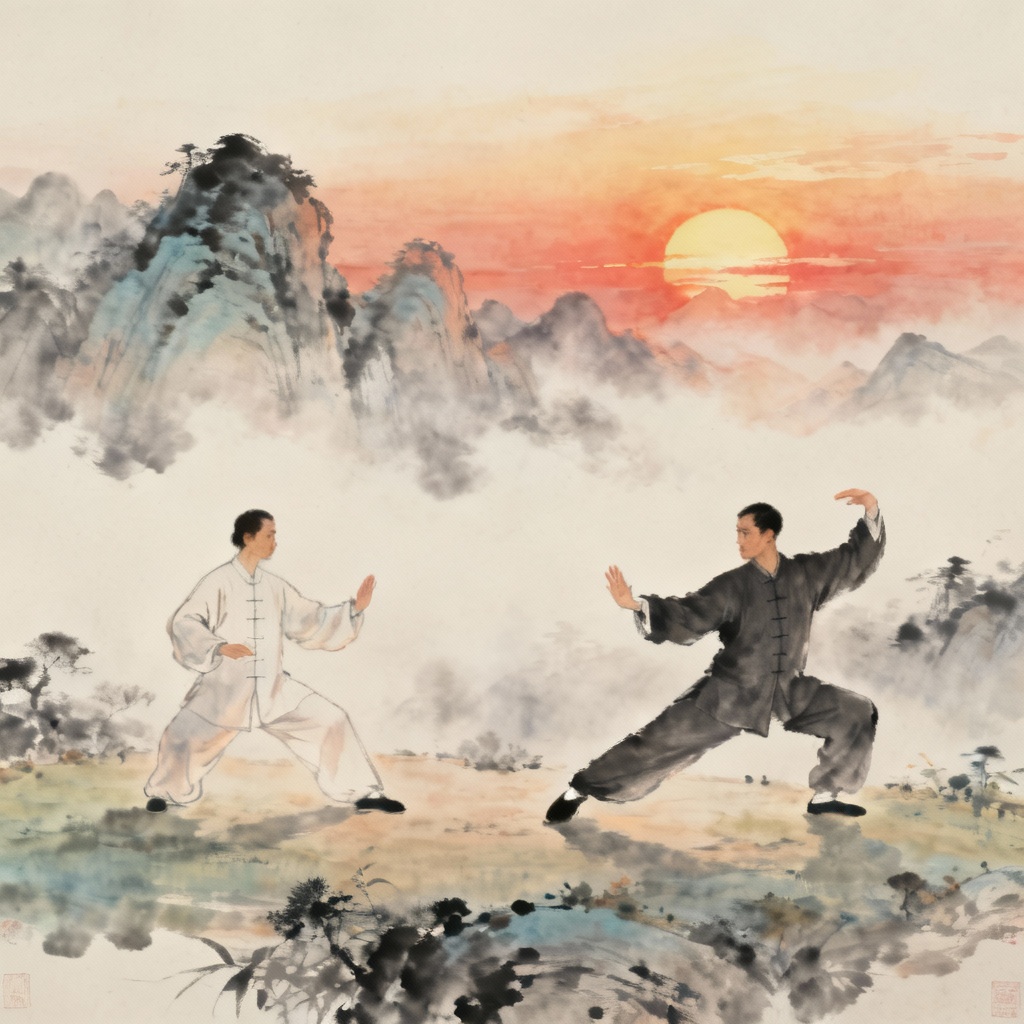
Qigong predominantly features stationary postures and incredibly slow, flowing movements, often resembling a moving meditation. Many Qigong forms involve gentle stretches, sustained holds, and intentional shifts to cultivate inner awareness. Tai Chi, conversely, emphasizes continuous, agile martial arts forms and intricate footwork. Its movements seamlessly transition from one pose to the next, creating an elegant, unbroken chain of motion. This creates a flowing, dance-like sequence with underlying martial applications, reflecting its self-defense origins.Sharpen Your Mind: Deepen Your Practice
Qigong typically directs your complete mental focus toward internal breathing patterns, fostering deep concentration and stillness. Practitioners meticulously observe their breath, guiding their life force, or "Qi," throughout the body. Tai Chi, on the other hand, often shifts attention towards physical coordination and holistic bodily sensations. It emphasizes how different parts of your body work together, promoting fluid transitions and integrated strength. This creates a unified and harmonious kinetic experience, connecting every movement with purposeful intention.Define Your Purpose: Cultivate Inner Power
The primary aim of Qigong leans heavily towards cultivating and regulating internal energy, like fine-tuning your body's internal power grid. It specifically focuses on enhancing overall mind-body health and vitality, promoting profound internal balance. Tai Chi, conversely, places greater emphasis on external form training and practical self-defense capabilities. Its movements contain subtle martial applications, rooted in ancient fighting techniques and strategies. Both practices undoubtedly enhance wellness, yet they achieve these benefits with distinctly different primary intentions and focus. Extensive reviews acknowledge Tai Chi's diverse health benefits, from improved balance to cardiovascular health (PMID: 26500599).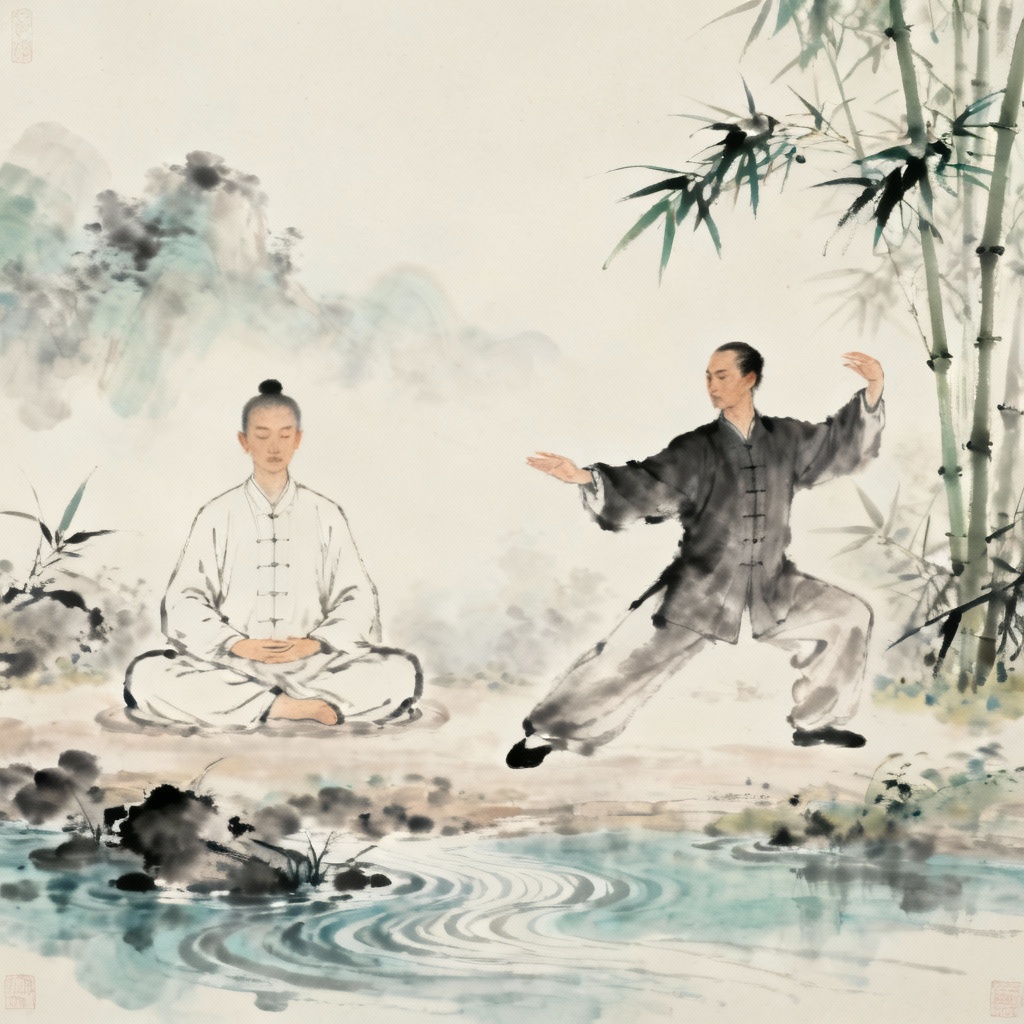
Choose Your Setting: Find Your Community
Qigong is often practiced independently, allowing for solitary contemplation and personal discovery. Many individuals perform Qigong alone, focusing intently on their internal experience and personal energetic cultivation. Tai Chi, conversely, is frequently taught through structured classes with a master, emphasizing guided instruction. Group practice, often accompanied by traditional music, is also very common, fostering a sense of shared community. This approach emphasizes lineage and collaborative progression for its dedicated students. In summary, Qigong and Tai Chi stand as vital components of Traditional Chinese wellness practices. They share foundational theories and many practical approaches, rooted in centuries of observation and wisdom. Yet, each art offers its distinct characteristics and unique pathways for cultivating mind-body harmony. Understanding the intricate relationship between these powerful mind-body arts clarifies their distinct roles. They are invaluable ancient healing forms, both excelling in energetic cultivation through unique arrays of gentle exercises. They embody profound traditional Chinese practices for deep well-being. They offer pathways to holistic wellness and mastery over vital energy work. Each embodies a truly contemplative movement experience for self-discovery. This comparative understanding empowers American friends to grasp the profound essence of TCM and confidently choose a path best suited for their personal wellness journey. Explore more TCM wisdom on our TCM Basics page. For daily tips and practical advice, visit our Healthy Living section. Ultimately, your choice between Qigong vs Tai Chi depends on your personal goals and preferred style.References
(Mind-body practices significantly reduce chronic pain for better daily function. PMID: 32015259)(Qigong effectively improves physical and mental health across diverse older adult populations. PMID: 30424599)
(Tai Chi offers a wide range of proven health benefits, from balance to cardiovascular support. PMID: 26500599)
Quick Check & Instant Boost:
Feeling off-balance or overwhelmed?- If your mind feels scattered and unfocused: Immediately try 3 deep, slow abdominal breaths. (3 seconds)
- If your body feels sluggish and stiff: Instantly perform 3 gentle, flowing arm circles (forward and backward). (30 seconds)
Medical Disclaimer:This article is for educational use only and is not a substitute for professional medical advice.