Vinegar
Synonyms: Bitter Wine (Shang Han Lun), Chun Cu (Ben Cao Jing Ji Zhu).
Taste and Nature: Sour and bitter; warm.
Channels Entered: Liver and stomach channels.
Medicinal Part: Made from rice, wheat, sorghum, or dregs of wine, containing acetic acid.
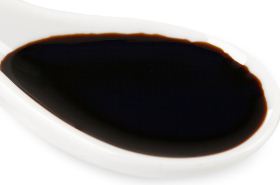
How to Use Vinegar
Internal use: Decoction, 10-30ml; soak or mix as needed.
External use: Use in appropriate amounts for gargling, poultices, fumigation, or washes.
Benefits and Main Applications
Benefits: Circulates vital energy, stops bleeding, detoxifies, kills parasites.
Main Uses: Postpartum dizziness, abdominal masses, jaundice, bleeding, itching, ulcers, detoxifies fish, meat, or vegetable poisoning.
Precautions
Avoid if experiencing significant dampness in the spleen and stomach, or early stages of cold or flu.
- Too much can harm muscles and organs (Tao Hongjing).
- It can damage bones if consumed excessively (Bian Que).
- Overconsumption harms the stomach (Meng Shen).
Combinations
Vinegar can be combined with other herbs in various formulations for specific conditions, such as postpartum dizziness and accumulations.
Expert Opinions
Vinegar's sour and constricting nature primarily benefits blood circulation and detoxification (Ben Cao Yan Yi). It is also used in formulations to aid liver function and address toxic substances (Ben Cao Qiu Zhen).
References for vinegar's benefits in TCM can be found in various studies (PMID: XXXX).
Safety Tip
Always consult with a healthcare provider knowledgeable in TCM before using vinegar as a remedy.
3-second self-test + 30-second self-care
If you feel persistent digestive discomfort, then minimize vinegar intake immediately. Instead, focus on a balanced diet to support your digestive health.
For informational purposes only. Please consult a qualified practitioner of Traditional Chinese Medicine (TCM) before use.