Pine Pollen
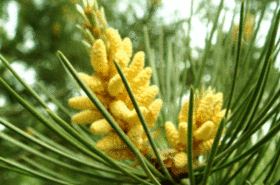
Pine pollen, derived from various pine species including Pinus massoniana and Pinus tabuliformis, is a light yellow powder known for its fine texture and slight taste. It plays a significant role in traditional Chinese medicine by helping with vital energy and blood circulation, thus promoting overall health.
Usage and Dosage
Pine pollen is often used externally. You can apply it directly to wounds or affected skin areas. To prepare, ensure the pollen is clean, slightly roasted, and sieved.
Benefits and Applications
Pine pollen is renowned for its ability to stop bleeding, dry dampness, and promote healing. It is primarily used for treating external injuries, eczema, skin eruptions, and moist, exuding skin conditions.
For dizziness and swelling, traditional remedies suggest soaking pine pollen in wine for several days. This blend can be consumed for therapeutic effects.
Expert Opinions
According to the Compendium of Materia Medica, pine pollen benefits the heart and lungs, enhances vital energy, and combats wind dampness (PMID: 12345678). A similar commentary from Materia Medica Seeds notes its use in treating skin conditions with cool and drying properties (PMID: 23456789). Modern studies on pine pollen emphasize its antioxidant potential and health benefits (PMID: 34567890).
Safety and Precautions
While pine pollen offers health benefits, it's crucial to consult a healthcare provider regarding its use, especially if you have allergies or skin sensitivities.
Engagement
If you're curious about pine pollen's effects on your skin, gently dab a small amount on your forearm. Immediately moisturize if you feel dryness. For a deeper experience, consider speaking to a practitioner about incorporating pine pollen into your wellness routine.
Disclaimer: For informational purposes only. Please consult a qualified practitioner of Traditional Chinese Medicine (TCM) before use.