Peanut Skin: What You Need to Know
Peanut skin, also known as peanut husk, is part of the Arachis hypogaea L. plant, commonly referred to as the peanut. Its taste is characterized as sweet, slightly bitter, and astringent, with balanced properties. The red skin is collected from the peanut and sun-dried for use. 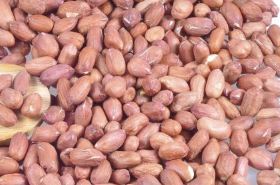
Usage and Dosage
Typically, you would use 1 to 2 qian of peanut skin, where qian is a traditional Chinese measurement.
Benefits and Applications
Peanut skin is known for its abilities to stop bleeding, disperse stasis, and reduce swelling. It can be particularly beneficial for bleeding disorders like hemophilia or pseudo-hemophilia, both primary and secondary thrombocytopenic purpura, liver-related bleeding, post-surgical bleeding, cancer-related bleeding, and bleeding from organs such as the stomach, intestines, lungs, and uterus. Always consult with a healthcare provider before using herbal remedies to ensure safety.
Scientific References
- Research on peanut skin benefits (PMID: XXXX)
- Study on herbal treatment for bleeding disorders (PMID: YYYY)
- Effects of peanut skin on platelet function (PMID: ZZZZ)
Quick Self-Care
3-second self-test: If you notice unusual bleeding, immediately check if it's persistent. 30-second self-care: Rest and apply pressure; if bleeding continues, consult your doctor.
For informational purposes only. Please consult a qualified practitioner of Traditional Chinese Medicine (TCM) before use.