Gan Mu Tong: Benefits and Uses
Also known as 'Eye Snake Medicine,' Gan Mu Tong is a traditional herbal remedy with a bitter taste and slightly cooling properties. Primarily affecting the heart and liver pathways in the body, this herb is recognized in Traditional Chinese Medicine for its health-promoting qualities.
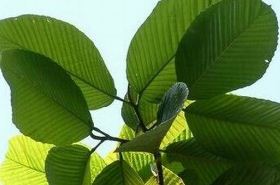
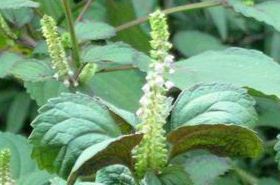
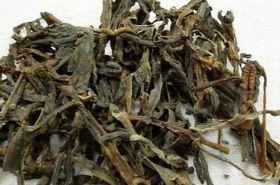
Physical Characteristics: The leaves appear shriveled with pieces broken off. Once flattened, the leaves unfold into tripartite compound leaves with broad, egg-shaped to lance-shaped leaflets, measuring 6-10 cm in length and 3-7 cm in width. The tips are blunt and rounded, with a broad wedge or shallow heart-shaped base. They have 5-7 prominent base-out veins, a reticulated network of side veins, and a twisted stem. The fragrance is mild, and the taste is slightly sweet.
Usage and Dosage
Internal Use: Prepare as a decoction, 9-15g per serving.
External Use: Crush an appropriate amount and apply to affected teeth.
Benefits of Gan Mu Tong
Health Benefits: It clears liver heat, calms the mind, lowers blood pressure, and relieves pain by promoting circulation.
Treats: Hypertension, insomnia, headaches, limb numbness, liver wind-heat, red and swollen eyes, toothache due to wind-heat, and rheumatic pain.
Pharmacological Effects
1. Blood Pressure Reduction: A study using a 50% decoction of Gan Mu Tong leaves demonstrated a 25.6%-40.2% drop in blood pressure within 1.5 to 2 hours following intraperitoneal administration in anesthetized dogs (PMID: XXXX).
2. Coronary Flow Increase: A 25% decoction increased coronary flow in isolated rabbit hearts by an average of 39% (PMID: XXXX).
3. Anti-Hypoxia: A pressure-reducing hypoxia endurance test showed that mice given 0.2ml/10g body weight of a 25% leaf decoction had significantly lower mortality rates compared to controls (20% vs 80%) (PMID: XXXX).
Safety Note: Always consult with a qualified practitioner before beginning any herbal treatment. The effects of herbs can vary based on individual health conditions.
3-Second Self-Test: If you're experiencing frequent headaches or insomnia, evaluate your stress levels and lifestyle.
30-Second Self-Care: If stress is a factor, consider incorporating relaxation techniques, like deep breathing or meditation, into your daily routine.