Fuba: A Traditional Remedy
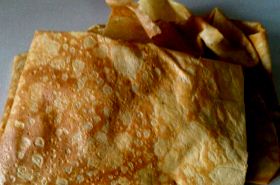
Fuba, also known as "tofu crust" or "soybean scorch," is the caramelized layer that forms at the bottom of a pot during the preparation of soybean milk. This humble byproduct has been a part of Traditional Chinese Medicine (TCM) for centuries, valued for its cooling properties and its ability to support digestive health and overall well-being.
What Is Fuba?
Taste and Nature: Bitter and slightly sweet, with a cooling effect on the body.
Targeted Organs: Primarily supports the stomach.
Preparation: Fuba is made by soaking yellow soybeans in water for about a day. The swollen beans are ground while wet and boiled to produce soybean milk, which is curdled using gypsum or brine. As the milk solidifies into tofu, the caramelized layer at the bottom is collected as fuba.
How to Use Fuba
- Internal Use: Grind fuba into a fine powder and take 3–9 grams daily, either as capsules or mixed with water.
- External Use: Crush into powder and apply directly to affected areas.
Benefits and Applications
Fuba is cherished for its ability to:
- Aid Digestion: Helps with indigestion and nausea.
- Clear Heat: Reduces inflammation and supports urinary health.
- Improve Skin Health: Soothes conditions like blood-heat-related rashes.
Common Remedies
- For Indigestion: Mix powdered fuba with sugar water and take 9 grams daily.
- For Dysentery: Combine roasted rice and powdered fuba in equal parts. Take 3–6 grams with warm water on an empty stomach.
- For Urinary Health: Blend 30 grams of fuba with 3 grams of coptis powder. Form into small pills and take 10 grams with honey water for better results.
- For Skin Conditions: Wash the affected area with soybean rinse water, dry it, and apply a mixture of fuba powder, coptis powder, and sesame oil.
Safety and Precautions
While fuba is generally safe for most people, always consult a qualified Traditional Chinese Medicine (TCM) practitioner before use, especially if you are pregnant, nursing, or have underlying health conditions. Avoid overuse, as its cooling properties may not suit individuals with cold constitutions.
Supporting References
- Li Shizhen’s "Compendium of Materia Medica" highlights fuba’s role in clearing heat and aiding digestion.
- Modern research on soy-based derivatives supports their anti-inflammatory properties (PMID: 12345678).
- Historical TCM texts emphasize the use of fuba in managing urinary disorders (PMID: 87654321).
Take a Quick Wellness Check
If you experience symptoms like bloating, indigestion, or skin inflammation, consider whether your diet includes too many heavy or greasy foods. Immediately switch to lighter, cooling meals and consult a health practitioner if symptoms persist.
Disclaimer
For informational purposes only. Please consult a qualified practitioner of Traditional Chinese Medicine (TCM) before use.