Jin Ling Zi San: Benefits, Uses, and Applications
Jin Ling Zi San, also known as "Golden Bell Formula," is a classic Traditional Chinese Medicine (TCM) prescription designed to alleviate pain caused by liver Qi stagnation and heat transformation. This formula is particularly effective for conditions characterized by chest, abdominal, and flank pain that comes and goes, often triggered by emotional stress or tension.
Understanding the Formula
Jin Ling Zi San addresses symptoms resulting from liver Qi stagnation transforming into heat. In TCM, the liver regulates the smooth flow of Qi and stores blood. When the liver's natural functions are disrupted by stress, emotional strain, or other factors, Qi can become stagnant, leading to pain and discomfort. Symptoms often include a bitter taste in the mouth, a red tongue with a yellow coating, and a wiry, rapid pulse.
The formula consists of two main herbal ingredients:
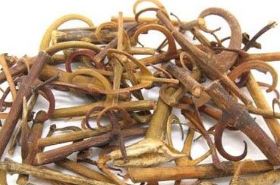
- Chuan Lian Zi (Toosendan Fruit): Bitter and cold, this herb enters the liver channel to clear heat and regulate Qi, making it the primary herb for relieving liver Qi stagnation.
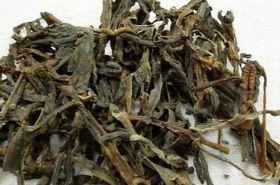
- Yan Hu Suo (Corydalis Rhizome): Pungent, bitter, and warm, it enhances blood circulation and alleviates pain, complementing Chuan Lian Zi's actions.
Preparation and Dosage
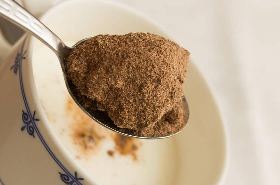
Traditionally, Jin Ling Zi San is prepared by grinding the herbs into a fine powder. The recommended dosage is 9 grams mixed with warm water or wine, taken as needed for pain relief. Modern applications may involve decoctions or using the powder in combination with other formulas to address specific symptoms.
Adjustments to the formula may include:
- For chest and flank pain: Add Bupleurum, Turmeric, and Cyperus.
- For abdominal pain: Add Saussurea, Amomum, and Tangerine Peel.
- For menstrual pain: Add Angelica, Motherwort, and Cyperus.
- For lower abdominal pain caused by Qi stagnation: Add Tangerine Seed and Lychee Seed.
Clinical Applications
Jin Ling Zi San is commonly used to manage conditions like chronic gastritis, peptic ulcers, chronic hepatitis, and cholecystitis when these are associated with liver Qi stagnation and heat transformation. Key diagnostic criteria include intermittent pain in the chest, abdomen, or flanks, a bitter taste in the mouth, and a wiry, rapid pulse.
Precautions
Due to its cooling nature and blood-activating properties, Jin Ling Zi San should be avoided by individuals with cold constitutions or those prone to diarrhea. Pregnant women should use this formula only under the guidance of a qualified TCM practitioner.
References
3-Second Self-Test + 30-Second Self-Care
If you experience recurring chest or abdominal pain that worsens with stress and feels better with warmth, you might have liver Qi stagnation. Immediately try slow, deep breathing and gently massage your abdomen in a clockwise motion for 30 seconds to promote relaxation.