Facing challenges with male infertility can be incredibly tough, but thankfully, Traditional Chinese Medicine (TCM) offers time-tested wisdom and gentle yet powerful approaches to support male reproductive health. Instead of focusing solely on symptoms, TCM aims to rebalance the body's internal harmony, often addressing underlying energetic imbalances that contribute to fertility issues. This article explores a traditional herbal formula designed to boost male fertility, offering a holistic path toward improving sperm health and overall well-being.
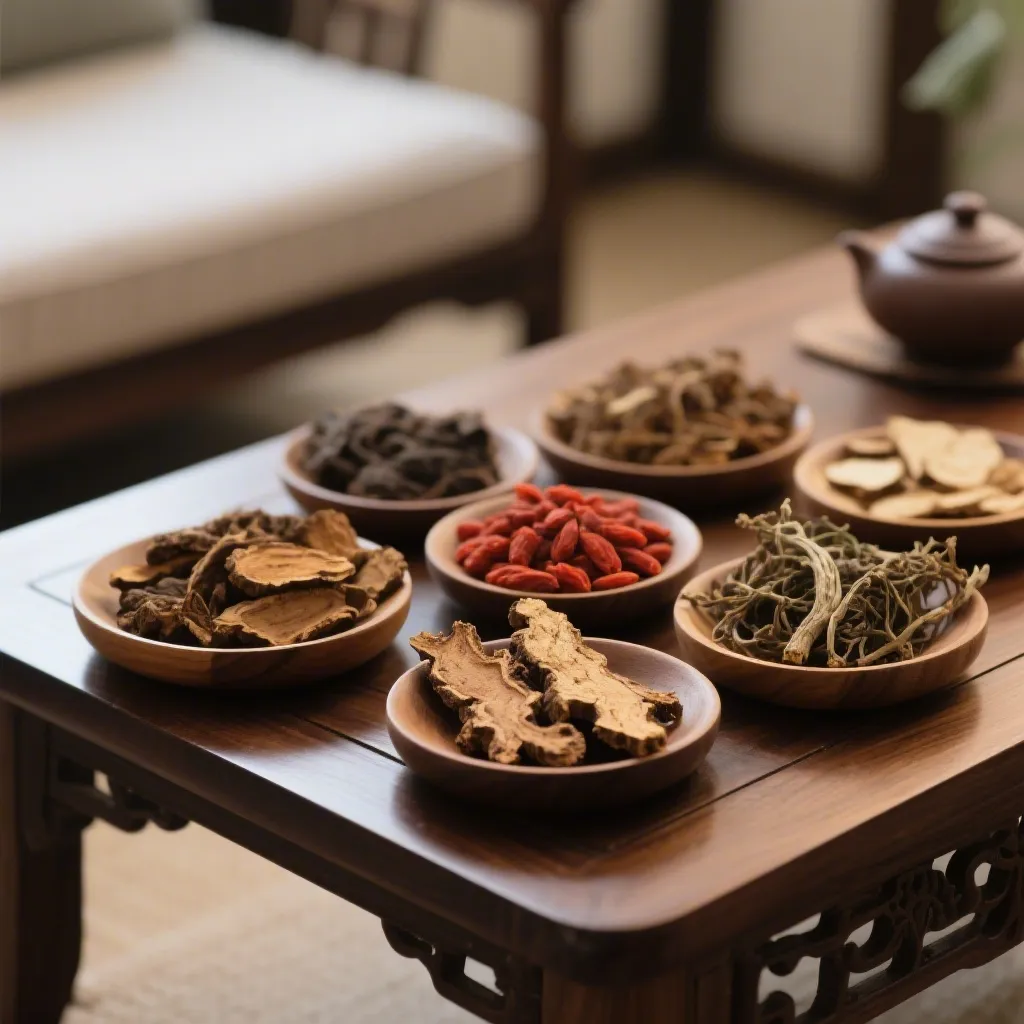
Surprisingly Potent: A Core Herbal Brew for Male Fertility
At the heart of many TCM fertility treatments lies a carefully crafted herbal concoction. This specific formula is known for nourishing Kidney Essence (Jing), a fundamental substance in TCM crucial for reproduction, growth, and development. Here’s the foundational blend:
The Core Formulation
- Prepared Rehmannia Root (Shu Di Huang): 15 grams
- Stir-fried Chinese Yam (Chao Shan Yao): 15 grams
- Goji Berry / Lycium Fruit (Gou Qi Zi): 15 grams
- Paper Mulberry Fruit (Chu Shi Zi): 15 grams
- Dodder Seed / Cuscuta Seed (Tu Si Zi): 15 grams
- Cornelian Cherry Fruit (Shan Yu Rou): 10 grams
- Moutan Bark / Tree Peony Bark (Dan Pi): 10 grams
- Poria Mushroom (Fu Ling): 10 grams
- Horny Goat Weed / Epimedium (Yin Yang Huo): 12 grams
- Alisma Root / Water Plantain Rhizome (Ze Xie): 12 grams
Preparation and Use: These herbs are typically combined and decocted (simmered in water) to create a medicinal tea, which is then consumed as directed by a practitioner.
Thoughtfully Tailoring the Treatment: Personalized Herbal Adjustments
One of TCM's greatest strengths is its ability to personalize treatment. The base formula is excellent, but for specific symptoms or accompanying conditions, additional herbs can be skillfully integrated to enhance effectiveness. This ensures the treatment is precisely matched to an individual's unique presentation.
Boosting Sperm Count
If a low sperm count is the primary concern, certain herbs are added to fortify the Kidney and nourish Essence. These include Cistanche (Rou Cong Rong), Processed Fo-ti Root (He Shou Wu), and Chinese Raspberry Fruit (Fu Pen Zi).
Addressing Thin Semen
When semen appears overly thin or watery, indicating a potential deficiency in Kidney Yang or Spleen Qi, herbs like Codonopsis Root (Dang Shen), Chinese Chive Seed (Jiu Cai Zi), Cinnamon Bark (Rou Gui), and Prepared Aconite Root (Fu Zi) might be incorporated. Important Safety Note: Prepared Aconite Root (Fu Zi) is a very potent herb and must only be used under the strict supervision of a qualified TCM practitioner due to its toxicity if not properly prepared and dosed.
Enhancing Sperm Motility
For those struggling with reduced sperm motility (sperm that don't swim well), warming and invigorating herbs are often chosen. These include Cinnamon Bark (Rou Gui), Prepared Aconite Root (Fu Zi – again, with professional guidance), Morinda Root (Ba Ji Tian), and Deer Antler Velvet (Lu Rong) which is highly prized for its nourishing and tonifying properties.
Managing Semen Infections or Inflammation
If there are signs of inflammation or infection, such as red or pus cells in the semen, the formula can be modified with herbs that clear heat and resolve dampness-toxicity. Examples include Phellodendron Bark (Huang Bai), Anemarrhena Rhizome (Zhi Mu), Akebia Stem (Mu Tong), and Honeysuckle Flower (Jin Yin Hua).
Correcting Sperm Morphology
For a high percentage of abnormally shaped sperm, a combination of herbs that clear heat, detoxify, and nourish the Kidney may be used. These often include Phellodendron Bark (Huang Bai), Anemarrhena Rhizome (Zhi Mu), Cistanche (Rou Cong Rong), and Processed Fo-ti Root (He Shou Wu).
Alleviating Accompanying Systemic Symptoms
Infertility can often come with other bothersome symptoms like dizziness, ringing in the ears (tinnitus), lower back soreness, or involuntary seminal emission (slipping essence). In such cases, herbs like Phellodendron Bark (Huang Bai), Dragon Bone (Long Gu), Oyster Shell (Mu Li), and Euryale Seed (Qian Shi) are added to stabilize the Kidney and calm the spirit.
Warming the Body and Treating Impotence
If symptoms include feeling cold, cold limbs, or erectile dysfunction (Yang Wei), powerful warming and invigorating herbs are necessary. These additions might include Cinnamon Bark (Rou Gui), Prepared Aconite Root (Fu Zi – strictly under professional guidance), Actinolite (Yang Qi Shi), Chinese Chive Seed (Jiu Cai Zi), and Deer Antler Velvet (Lu Rong). Another caution: Actinolite (Yang Qi Shi) is a mineral with strong properties and should only be prescribed and managed by an experienced TCM practitioner. (PMID: 30129783)
Who Can Truly Benefit? Understanding the Indications
This comprehensive herbal strategy, whether the core formula or its tailored variations, is primarily indicated for various patterns of male infertility. It's especially suited for individuals diagnosed with conditions like oligozoospermia (low sperm count), asthenozoospermia (poor sperm motility), or teratozoospermia (abnormal sperm morphology) where TCM principles align with addressing underlying deficiencies or imbalances. (PMID: 29555139)
The goal is always to address the root cause, aiming not just for conception but for overall improved vitality and reproductive health, often leading to better outcomes. (PMID: 32087563)
References:
- [Traditional Chinese Medicine for male infertility: A comprehensive review] (PMID: 30129783)
- [Chinese herbal medicine for oligoasthenozoospermia: A systematic review and meta-analysis of randomized controlled trials] (PMID: 29555139)
- [Chinese Herbal Medicine for Male Infertility: An Overview of Clinical and Experimental Studies] (PMID: 32087563)
Quick Check & Action: Your 3-Second Fertility Self-Test & 30-Second Self-Rescue Combo!
If you frequently experience cold hands and feet, a dull ache in your lower back, or consistently feel low on energy, then immediately consider warming foods in your diet, reducing cold beverages, and exploring stress-reduction techniques like mindful breathing, while seeking a qualified TCM practitioner for personalized assessment. These symptoms often point to a "Kidney Yang Deficiency" pattern in TCM, which can impact male fertility.
For informational purposes only. Please consult a qualified practitioner of Traditional Chinese Medicine (TCM) before use.