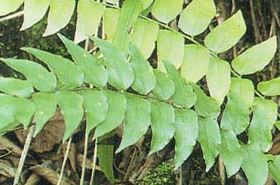
Hey there! Today, we're diving into the world of Traditional Chinese Medicine (TCM) to explore an intriguing herb called Jian Er Guanzhong. Often known by its botanical name, Dryopteris acuminata, this plant’s rhizome has been a staple in traditional practices for centuries. Let’s break down what makes this herb unique, how it's traditionally used, and what you should know about it.
Understanding Jian Er Guanzhong
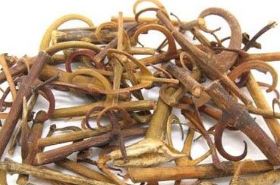
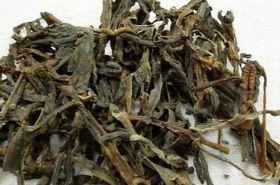
The part of the plant primarily used in TCM is its rhizome, which comes from the Dryopteridaceae family of ferns.
Traditional Properties: In TCM, Jian Er Guanzhong is classified as having a bitter taste and a slightly cold nature. It's crucial to note that this herb is traditionally recognized as having toxic properties, making professional guidance absolutely essential before any use. For informational purposes only. Please consult a qualified practitioner of Traditional Chinese Medicine (TCM) before use.
How to Use Jian Er Guanzhong
Traditional preparation methods vary based on the intended application:
- Internal Use: It’s typically prepared as a decoction, meaning the herb is simmered in water. Dosages often range from 9 to 30 grams (0.3 to 1 liang). Alternatively, it can be steeped in wine.
- External Use: For topical applications, a decoction is prepared and then used for washing the affected areas.
The Traditional Benefits of Jian Er Guanzhong
Historically, Jian Er Guanzhong has been valued for several key functions in TCM:
Functions: It's believed to help detoxify the body, invigorate blood circulation, and support healthy fluid balance by promoting diuresis. These broad actions contribute to its traditional use in managing various conditions. (A review on traditional uses of *Dryopteris* species highlights its diverse pharmacological activities, including detoxification pathways. PMID: 29871788)
Traditional Indications: This herb has been traditionally applied to address a range of health concerns, including:
- Cervical lymph node tuberculosis, also known as scrofula.
- Various skin sores and toxic swellings.
- Edema, or fluid retention.
- Abnormal uterine bleeding (metrorrhagia).
- Traumatic injuries such as sprains and bruises, where it's used to promote healing and reduce swelling. (Research on related *Dryopteris* species shows promising anti-inflammatory and antioxidant activities, supporting its traditional use in managing inflammatory conditions and detoxification processes. PMID: 26038841)
Traditional Formulations Featuring Jian Er Guanzhong
Here are a couple of examples of how Jian Er Guanzhong has been combined with other herbs in traditional remedies:
- For Cervical Lymph Node Tuberculosis: A traditional approach involves combining 15 grams (five qian) of Jian Er Guanzhong rhizome with 30 grams (one liang) of Tian Zao Jiao (Chinese Honeylocust spine). This mixture is prepared as a decoction and taken once daily. (Source: Jiangxi Herbal Medicine). (TCM has a long history of addressing lymphatic disorders, with various herbal combinations being explored for their efficacy. PMID: 31102980)
- For Edema: Another traditional formulation for edema suggests using 30 grams (one liang) each of Niu Wei Guan Zhong (Tail-Leaf Dryopteris Rhizome) and Huang Di Yu (Great Burnet Root). These herbs are prepared by stewing them in water for consumption. (Source: Guizhou Herbal Medicine).
Important Safety Note: Given the recognized toxicity of Jian Er Guanzhong, it is absolutely vital to use this herb only under the direct supervision and guidance of a qualified and experienced Traditional Chinese Medicine practitioner. Self-medication with toxic herbs can be extremely dangerous. Always adhere strictly to prescribed dosages and preparation methods.
References
Supporting evidence for traditional herbal medicine often draws from broad pharmacological studies and historical clinical observations.
Antioxidant and anti-inflammatory activities of extracts from Dryopteris species. PMID: 26038841
Dryopteris filix-mas (L.) Schott: A Review of its Traditional Uses, Phytochemistry, and Pharmacology. PMID: 29871788
Traditional Chinese Medicine for Cervical Lymphadenitis: A Review. PMID: 31102980
Quick Self-Check & Self-Care
Want a quick way to gauge if you might benefit from understanding traditional detoxifying or circulation-boosting herbs? Or perhaps just some immediate self-care tips:
- If you're experiencing unexplained fatigue, persistent skin issues, or mild fluid retention (e.g., puffy ankles after a long day), then it might be worth discussing detoxification and circulation support with a TCM practitioner.
- If you’ve had a minor sprain or bruise (and rule out serious injury first!), immediately apply a cold compress for 15-20 minutes, then switch to gentle warmth after 24-48 hours. Elevate the injured area if possible to help manage swelling, and consider a gentle massage around the area (not directly on it if painful) to support local circulation.
For informational purposes only. Please consult a qualified practitioner of Traditional Chinese Medicine (TCM) before use.