Hulu Cha (Three-lobed Tadehagi)
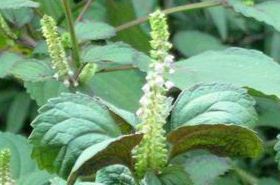
Hey there, health seeker! Ever heard of Hulu Cha? It's a fascinating herb from the world of Traditional Chinese Medicine (TCM), also known by its botanical name, *Tadehagi triquetrum* (L.) Ohashi. Let's dive into what makes this plant so special.
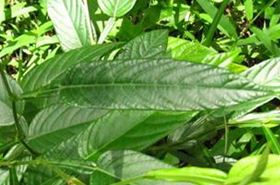
Commonly known as: Ox-worm Grass, Neck-constricting Grass, Field Knife Handle, Salted Fish Grass, Shrike's Tongue.
Taste and Nature: Hulu Cha has a bitter and astringent taste, and it's considered to have a cool nature.
Medicinal Part: The therapeutic benefits of Hulu Cha come from the above-ground parts of the legume plant *Tadehagi triquetrum* (L.) Ohashi.
Hulu Cha Dosage and Administration
Oral Dosage: Typically, 15-60 grams are used when preparing Hulu Cha for internal consumption.
External Use: For external application, an appropriate amount can be crushed to extract its juice and applied directly, or the herb can be decocted in water for washing affected areas.
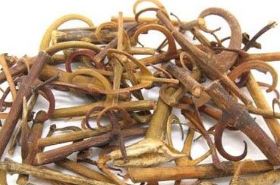
Preparation: The herb is usually harvested during the summer and autumn seasons. After harvesting, it's thoroughly washed, moistened, cut into fine pieces, and then sun-dried. If you prefer to use it fresh, it can be gathered whenever needed.
Hulu Cha Functions and Indications
Functions: Hulu Cha is traditionally recognized for its ability to clear heat and detoxify the body, promote urination and resolve jaundice, and aid digestion by eliminating accumulation while also expelling parasites. These actions are often sought after for various health concerns (Antioxidant and anti-inflammatory activities of Tadehagi triquetrum (L.) Ohashi ethanol extract. PMID: 27150143).
Indications: In traditional practice, Hulu Cha is commonly used for:
- Thirst and restlessness due to heatstroke
- Fever associated with common colds
- Sore throat
- Coughing blood from lung conditions
- Kidney inflammation (nephritis)
- Childhood malnutrition or food stagnation (gan ji)
- Jaundice
- Diarrhea
- Dysentery
- Rheumatic joint pain (Traditional uses, phytochemistry, and pharmacology of plants in the genus Desmodium (Fabaceae). PMID: 28551139)
- Hookworm infections (Ethnomedicinal plants used for treating parasitic diseases in Vietnam: an updated review. PMID: 31604922)
- Scabies
Hulu Cha Traditional Formulas
Here are a couple of traditional ways Hulu Cha has been combined with other ingredients:
1. For occasional rheumatic joint aches: Gently simmer 60g of Hulu Cha stems with a pig's trotter. Consume the stew. (As documented in 'Quanzhou Bencao')
2. Experiencing dysentery? Try this: Combine 60-90g of whole Hulu Cha herb with 60-90g of Fine-leaf Che Tou Meng root. Add one egg and decoct until the egg is fully cooked. Season with a pinch of salt and enjoy both the herbal broth and the egg. (According to 'Lingnan Caoyao Zhi')
Your 3-Second Self-Test + 30-Second Self-Help!
- If you're feeling overheated with a nagging thirst and a slight fever:
- Immediately: Sip some cool water, find a shady spot, and apply a cool compress to your neck or wrists to help bring down your body temperature.
- If you're dealing with unexplained tummy troubles or stubborn, damp-feeling joint aches:
- Immediately: Consider a light, easy-to-digest meal, and ensure you're staying hydrated. For joint aches, gentle movement might offer temporary relief.
References
Antioxidant and anti-inflammatory activities of Tadehagi triquetrum (L.) Ohashi ethanol extract. PMID: 27150143
Traditional uses, phytochemistry, and pharmacology of plants in the genus Desmodium (Fabaceae). PMID: 28551139
Ethnomedicinal plants used for treating parasitic diseases in Vietnam: an updated review. PMID: 31604922
For informational purposes only. Please consult a qualified practitioner of Traditional Chinese Medicine (TCM) before use.