Huang Jing: Benefits, Uses, and Tips for Safe Use
Huang Jing, also known as Siberian Solomon's Seal, is a versatile herb in Traditional Chinese Medicine (TCM). It is particularly valued for its ability to replenish vital energy, nourish yin, and strengthen the spleen, lungs, and kidneys. This herb has been traditionally used to address issues such as fatigue, dry cough, digestive deficiencies, and more.
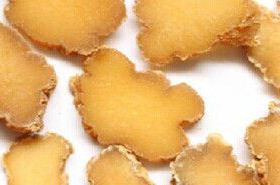
What is Huang Jing?
Other Names: Tiger Ginger, Chicken Head Ginseng, Yellow Chicken Herb, Step-by-Step Growth, Fairy Grain.
Taste and Nature: Sweet and neutral.
Main Organs Targeted: Spleen, lungs, and kidneys.
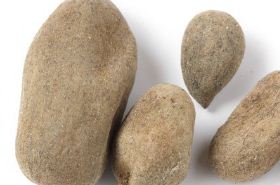
Medicinal Part: The dried rhizome of plants like Polygonatum kingianum, Polygonatum sibiricum, or Polygonatum cyrtonema.
How to Use Huang Jing
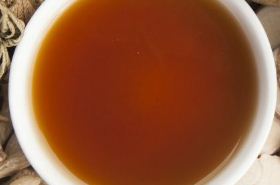
Dosage: Typically, 9–15 grams are used in decoctions.
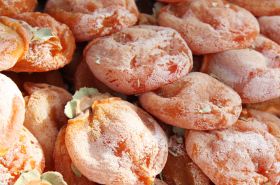
Preparation: Harvested in spring or autumn. After cleaning, the roots are briefly boiled or steamed until soft, then dried for storage.
Health Benefits and Common Uses
Key Benefits:
- Replenishes vital energy and yin.
- Strengthens the spleen.
- Moistens the lungs and improves respiratory health.
- Enhances kidney vitality.
Common Uses:
- Fatigue and low energy due to spleen and stomach deficiencies.
- Dry cough or chronic respiratory issues.
- Weakness in the lower back and knees.
- Early graying of hair or signs of aging.
- Thirst and internal heat.
Traditional Herbal Combinations
Chronic Fatigue and Poor Digestion: Combine 30g of Salvia (Dan Shen), 25g of Huang Jing, and 25g of rice root in water for a soothing decoction. (Source: Ben Cao Pian Bi)
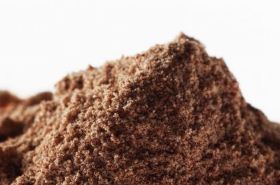
Eye Health and Liver Support: Mix one pound of turnip seeds with two pounds of Huang Jing. Steam together nine times, grind into powder, and take with porridge or warm water daily. (Source: Sheng Hui Fang)
Expert Commentary
“Huang Jing is excellent for nourishing the spleen and yin. However, excess use in individuals with dampness or phlegm may worsen symptoms.” – Ben Cao Qiu Zhen
“Its thick, sweet nature resembles prepared Rehmannia root, making it ideal for blood and yin supplementation, particularly for spleen and stomach health.” – Ben Cao Bian Du
Safety Notes
While Huang Jing is generally safe, those with weak digestion or excess dampness should use it cautiously. Always consult a qualified TCM practitioner before incorporating it into your routine.
3-Second Self-Test + 30-Second Self-Care
Self-Test: Are you constantly fatigued, experiencing dry coughs, or noticing early signs of aging like graying hair?
If yes, then: Try a simple decoction with Huang Jing to support your overall energy and vitality. Pair it with a balanced diet and adequate hydration to maximize its benefits.
Disclaimer
For informational purposes only. Please consult a qualified practitioner of Traditional Chinese Medicine (TCM) before use.