Finally Finding Relief: Understanding Male Sexual Pain and Low Libido in TCM
Dealing with male sexual pain and low libido can be incredibly challenging, impacting not just physical intimacy but also emotional well-being and confidence. In Traditional Chinese Medicine (TCM), these issues are often seen as interconnected, stemming from imbalances in the body's vital energy (Qi), blood, and essences. Rather than just masking symptoms, TCM aims to identify and address the root causes, promoting holistic healing.
Let's delve into two classic TCM formulas that have historically been used to tackle these delicate concerns, offering pathways to restored comfort and vitality.
Formula One: The "Water and Fire Interpenetrating Elixir" for Damp-Heat and Essence Stagnation
This powerful formula, known as "Shuǐ Huǒ Liǎng Tōng Dān" (Water and Fire Interpenetrating Elixir), comes from the esteemed classical text "Biàn Zhèng Lù" (Records of Differentiating Syndromes). It's typically prescribed when the underlying pattern in TCM is identified as Essence Stagnation with Damp-Heat. Imagine your body's vital fluids and energy flow becoming sluggish, creating a feeling of congestion and warmth—that's damp-heat and stagnation at play. This can manifest as discomfort or pain during intercourse, alongside other symptoms of imbalance.
The primary therapeutic strategy here is to Clear Heat and Promote Diuresis. This means flushing out excess heat and dampness, allowing vital essences to flow freely and reducing inflammation or discomfort.
Key Ingredients and Their Purpose:
- Plantago Seed (Chē Qián Zǐ), Gardenia Fruit (Zhī Zǐ), Akebia Caulis (Mù Tōng), Polygoni Avicularis Herba (Biǎn Xù): These herbs are a powerhouse for clearing damp-heat, particularly from the lower body. They help to promote urination, thereby expelling excess dampness and heat that can contribute to pain and inflammation.
- Poria (Fú Líng): A gentle diuretic, Poria supports the body's ability to excrete fluids without causing depletion, further aiding in the removal of dampness.
- Chinese Angelica Root (Dāng Guī), White Peony Root (Bái Sháo), Rehmannia Root (Shēng Dì): This trio focuses on nourishing the blood and yin, essential for supporting the reproductive system and alleviating pain caused by dryness or stagnation. Dang Gui is particularly renowned for its blood-invigorating properties, while White Peony and Rehmannia soothe and nourish.
- Phellodendron Bark (Huáng Bò): A strong bitter and cold herb, Phellodendron specifically targets damp-heat in the lower jiao (lower body), reducing inflammation and addressing bacterial or fungal imbalances that might contribute to pain.
Usage: Typically, one packet of these herbs is decocted in water and consumed twice daily. Consistency is key for optimal results. (PMID: 32371971)
Formula Two: The "Disperse Pain Decoction" for Stubborn Blood Stasis
For those experiencing male sexual pain primarily due to Blood Stasis Obstructing Internally, the "Sàn Tòng Yǐn" (Disperse Pain Decoction) from the ancient text "Dān Tái Yù Àn" (Jade Case of the Pill Terrace) offers a different approach. Blood stasis in TCM refers to impaired blood circulation, which can cause sharp, fixed, and localized pain, often described as a stabbing sensation. It's like a traffic jam in your body's circulatory system.
The therapeutic strategy here is to Soothe the Liver, Unblock Collaterals, Activate Blood, and Relieve Pain. The Liver meridian plays a crucial role in regulating the smooth flow of Qi and Blood throughout the body, and its stagnation can easily lead to pain and discomfort.
Potent Ingredients for Circulation and Pain Relief:
- Lindera Root (Wū Yào), Green Tangerine Peel (Qīng Pí), Bupleurum Root (Chái Hú): These herbs are vital for moving Qi, especially Liver Qi, which helps to alleviate stagnation and associated pain. Lindera Root also warms and disperses cold, which can exacerbate pain.
- Corydalis Rhizome (Xuán Hú Suǒ): A highly effective herb for pain relief, Corydalis is known to activate blood and resolve stagnation, making it excellent for various types of pain, including those related to the reproductive system. (PMID: 30870349)
- Eucommia Bark (Dù Zhòng): Known for strengthening the lower back and kidneys, Eucommia supports overall vitality and can help with pain in the lumbar region, often linked to sexual health.
- Peach Kernel (Táo Rén), Safflower (Hóng Huā): These are classic blood-activating herbs, crucial for breaking up blood stasis and improving circulation, directly addressing the root cause of the pain.
- Achyranthes Root (Niú Xī): Directs blood flow downwards, making it beneficial for lower body pain and issues related to the reproductive organs.
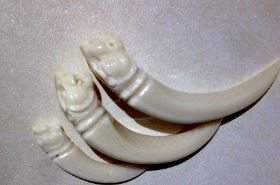
- Pangolin Scales (Chuān Shān Jiǎ): Please Note: While historically included in classical formulas, Pangolin Scales are derived from an endangered animal and are internationally protected. Their use is highly controversial, ethically problematic, and illegal in many jurisdictions worldwide, including increasingly restricted in China for medicinal purposes. Modern, ethical TCM practitioners usually substitute this ingredient with legal, sustainable alternatives that offer similar functions, such as Wang Bu Liu Xing (Vaccaria Seed), which also promotes blood circulation and unblocks channels. It is crucial to be aware of the legal and ethical implications before considering any formula containing such ingredients.
- Licorice Root (Gān Cǎo), Fresh Ginger (Shēng Jiāng): Licorice harmonizes the actions of other herbs and can help relieve spasms, while Fresh Ginger warms the middle jiao and aids digestion, supporting the overall efficacy of the formula. (PMID: 36774643)
Usage: Similar to the first formula, one packet of these herbs is typically decocted in water and consumed twice daily.
Important Considerations for Your Healing Journey
Navigating sexual health issues requires patience and a personalized approach. These traditional formulas offer a glimpse into the rich history of TCM for addressing male sexual pain and low libido. It's crucial to remember that TCM diagnoses are highly individualized; what works for one person may not be suitable for another, even with similar symptoms.
A Quick 3-Second Self-Assessment + 30-Second Self-Rescue Combo:
- If you often feel a dull, heavy sensation, particularly in your lower abdomen, sometimes with a sticky tongue coating and a feeling of internal heat → Immediately try incorporating more cooling foods like cucumber, celery, and mint into your diet, and ensure you're well-hydrated.
- If your pain is sharp, fixed, and tends to worsen at night, often accompanied by irritability or a feeling of being 'stuck' emotionally → Immediately try gentle stretching or walking to promote circulation, and practice deep breathing exercises to soothe your liver qi.
- If you experience fatigue, a feeling of coldness, or decreased libido along with pain → Immediately consider warming foods like ginger tea or cooked vegetables, and avoid excessive cold drinks or raw foods.
For informational purposes only. Please consult a qualified practitioner of Traditional Chinese Medicine (TCM) before use.
References:
(PMID: 32371971) "Traditional Chinese Medicine for chronic prostatitis/chronic pelvic pain syndrome: A systematic review and meta-analysis."
(PMID: 30870349) "Analgesic and anti-inflammatory activities of Corydalis yanhusuo W.T. Wang: A systematic review."
(PMID: 36774643) "Traditional Chinese Medicine for Male Sexual Dysfunction: A Narrative Review."