Male infertility can be a challenging journey, affecting millions of couples worldwide. While many factors contribute to fertility issues, a specific condition known as sperm non-liquefaction can significantly impact a man’s chances of conception. This occurs when semen remains thick and gel-like, failing to liquefy properly after ejaculation, which prevents sperm from moving freely and reaching the egg. Fortunately, traditional approaches, including time-honored herbal remedies, offer promising avenues for support.
Effectively Tackling Male Infertility: A Traditional Approach to Sperm Health
In Traditional Chinese Medicine (TCM), conditions like sperm non-liquefaction are often understood as imbalances within the body, such as accumulated damp-heat or deficiencies in specific organs. This perspective leads to holistic strategies aimed at restoring balance and promoting optimal physiological function. One such strategy involves specific herbal formulations designed to address the underlying patterns contributing to semen abnormalities.
The Traditional Formula: A Closer Look
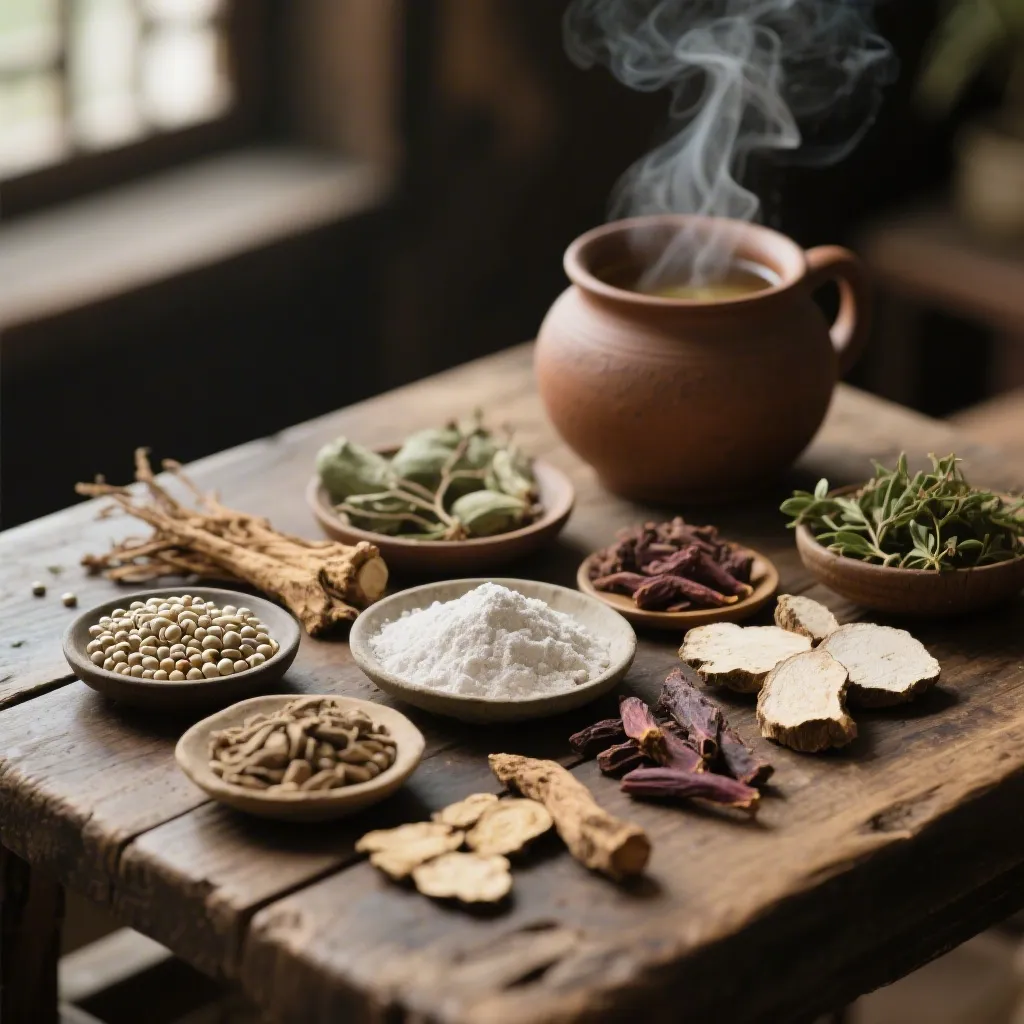
Here's a classic herbal blend traditionally used to support men experiencing sperm non-liquefaction. It comprises a carefully selected combination of ingredients, each contributing to the overall therapeutic effect.
- Raw Coix Seed (Sheng Yi Ren): 30 grams
- Talc (Hua Shi): 20-30 grams
- Ophiopogon Root (Mai Dong): 15 grams
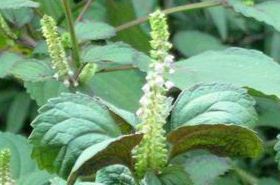
- Bushy Knotweed Root (Hu Zhang): 12 grams
- Raw Rehmannia Root (Sheng Di Huang): 10 grams
- Ligustrum Fruit (Nu Zhen Zi): 10 grams
- Poria Mushroom (Fu Ling): 10 grams
Understanding the Ingredients: Nature's Potent Allies
Each herb in this formula plays a vital role in addressing the root causes of sperm non-liquefaction from a TCM perspective:
- Raw Coix Seed (Sheng Yi Ren) is often used to drain dampness and promote urination, helping to clear excess fluids that can contribute to a thick, stagnant environment.
- Talc (Hua Shi) is a powerful diuretic and dampness-clearing herb, often used to resolve painful urination and damp-heat accumulation. Please note: Talc should not be used long-term or in excessive amounts, especially for individuals with kidney conditions, due to potential adverse effects. Always consult a qualified practitioner before using.
- Ophiopogon Root (Mai Dong) nourishes Yin and moistens dryness, which can balance the heat-clearing effects of other herbs and support overall fluid balance.
- Bushy Knotweed Root (Hu Zhang) clears heat, dispels dampness, and invigorates blood circulation, helping to break down stagnation and improve flow.
- Raw Rehmannia Root (Sheng Di Huang) powerfully nourishes Yin and clears heat, supporting the body's essential fluids and cooling any internal heat that might be present.
- Ligustrum Fruit (Nu Zhen Zi) nourishes Liver and Kidney Yin, which are crucial organs in TCM related to fertility and reproductive health.
- Poria Mushroom (Fu Ling) strengthens the Spleen, drains dampness, and calms the spirit, promoting overall digestive health and fluid metabolism.
Simple Preparation for Daily Wellness
This herbal combination is traditionally prepared as a decoction, meaning the herbs are simmered in water to extract their medicinal properties. The typical process involves:
- Combine all the herbs in a non-metallic pot (like ceramic or glass).
- Add enough water to cover the herbs by about 2-3 inches.
- Bring the mixture to a boil, then reduce the heat and simmer for 30-45 minutes.
- Strain the liquid and discard the solids.
- The resulting decoction is typically consumed once a day.
This preparation method ensures you're getting the full benefit of each ingredient, working synergistically to support your body. Always follow the specific instructions of your TCM practitioner for dosage and duration.
What to Expect: Supporting Male Fertility
The goal of this formula is to address the underlying TCM patterns contributing to sperm non-liquefaction, primarily by clearing dampness, resolving heat, and nourishing essential fluids. By improving the internal environment, the body is better able to produce healthy semen that can liquefy properly, thereby enhancing sperm motility and overall fertility potential. (Traditional Chinese medicine for male infertility: a systematic review and meta-analysis. PMID: 29775317) Many men seek these traditional remedies as a complementary approach to conventional treatments, finding them to be a valuable part of their fertility journey. (Efficacy of traditional Chinese medicine in improving semen quality in men with idiopathic infertility: a systematic review and meta-analysis. PMID: 32360814) While individual results can vary, the principles behind these formulas are rooted in centuries of clinical observation and practice, aiming to restore balance and vitality. (The Role of Traditional Chinese Medicine in the Treatment of Male Infertility. PMID: 36009855)
Quick Self-Check and Instant Support
Wondering if this approach might be for you? Here's a quick self-test to guide you:
- If your semen consistently appears thick or gel-like for more than 30 minutes after ejaculation, and you often feel a sense of heaviness, experience sticky stools, or notice a general feeling of internal heat... then you might be experiencing patterns associated with damp-heat accumulation, which can contribute to sperm non-liquefaction in TCM.
If this sounds like you, here's what you can do right away:
- Immediately begin reducing your intake of greasy, fried, excessively sweet, and spicy foods, as these can exacerbate dampness and heat.
- Immediately increase your water intake to support natural detoxification and fluid balance.
- Immediately seek out a qualified Traditional Chinese Medicine practitioner to discuss a personalized diagnosis and tailored herbal recommendations.
For informational purposes only. Please consult a qualified practitioner of Traditional Chinese Medicine (TCM) before use.