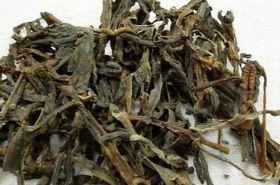
Navigating the challenges of infertility can be incredibly stressful for couples. When male factor infertility, particularly due to seminal abnormalities like low sperm count, is identified, it's natural to seek effective solutions. Traditional Chinese Medicine (TCM) offers a time-honored perspective, focusing on addressing the root imbalances within the body to support reproductive health. This ancient wisdom often provides a holistic pathway, aiming to enhance vitality and improve sperm quality naturally.
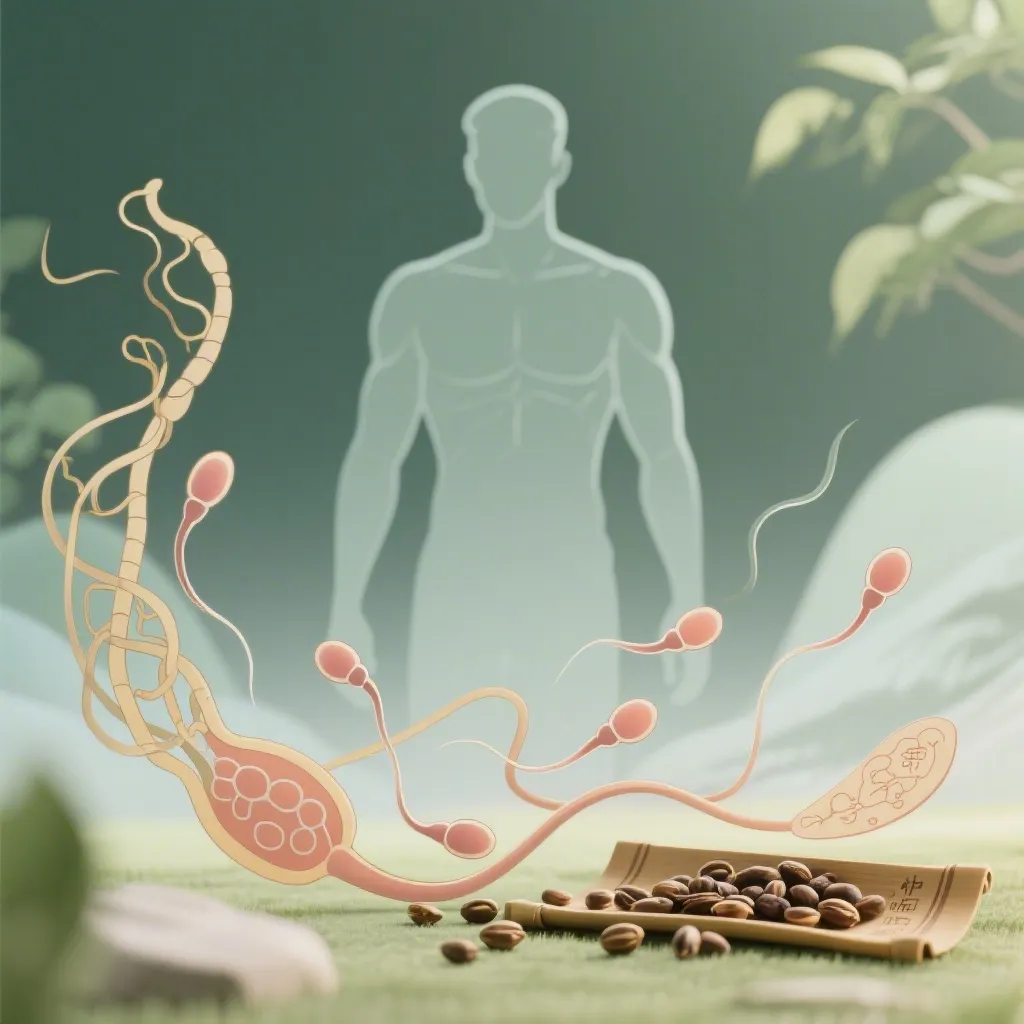
Tackling Male Infertility: Understanding Seminal Abnormalities
Male infertility often stems from issues with semen quality, most commonly a low sperm count (oligospermia) or poor sperm motility. These conditions can significantly reduce the chances of natural conception. In TCM, these issues are frequently linked to an imbalance, often involving the Kidney system, which is believed to govern reproduction, essence (Jing), and overall vitality. When the Kidney's foundational energy, particularly Kidney Yang, is deficient, it can manifest as reduced reproductive function and impaired sperm production. This understanding guides TCM practitioners in devising personalized strategies to restore balance.
Modern research has begun to explore the mechanisms by which traditional herbs might influence male reproductive health, with studies showing that certain herbal compounds can impact spermatogenesis and sperm parameters. (PMID: 33918519)
Unlocking the Power of Tu Si Zi: A TCM Approach
Among the many herbs valued in TCM for their potential to support male reproductive health, Cuscuta Seed, known as Tu Si Zi, stands out. This herb has been traditionally utilized for centuries to nourish the Kidney, strengthen Yang, and consolidate Jing (essence).
Traditional Wisdom: How Tu Si Zi Supports Male Vitality
In TCM theory, Tu Si Zi is renowned for its ability to "tonify Kidney Yang" and "replenish Jing essence." This translates to a profound support for the male reproductive system. By strengthening the Kidney energy, Tu Si Zi is believed to enhance the body's natural capacity to produce healthy sperm, improve sperm count, and potentially boost overall male vitality. It’s considered a gentle yet potent herb, making it a valuable component in formulas designed for long-term reproductive support.
The classic text, Huangdi Neijing, emphasizes the Kidney's vital role in procreation, stating, "The Kidney stores the essence (Jing), which is the foundation of life and growth, including reproduction." This underscores the TCM principle behind using herbs like Tu Si Zi to nurture this fundamental organ system. (Huangdi Neijing)
Your Home Preparation Guide: Mastering Tu Si Zi
Here's how Tu Si Zi is traditionally prepared and consumed to address seminal abnormalities:
- Take an appropriate amount of Cuscuta Seed (Tu Si Zi).
- Gently pan-fry the seeds until they turn yellowish. This traditional processing method (pao zhi) helps to enhance the herb's properties and make it more digestible.
- Grind the prepared seeds into a fine powder.
- Mix this powder with an appropriate amount of wheat flour to make steamed cakes (often referred to as 'bing' or biscuits).
- The suggested dosage is 70 grams of Tu Si Zi powder, taken three times a day, incorporated into these steamed cakes.
A Critical Safety Warning: The suggested dosage of 70 grams of Tu Si Zi, three times daily (totaling 210 grams per day), is exceptionally high and significantly exceeds typical clinical dosages which usually range from 9 to 15 grams per day. While the original text provides this specific quantity, it is absolutely essential to consult a qualified and licensed Traditional Chinese Medicine practitioner before attempting to prepare or consume any herbal remedies, especially at such high dosages. Self-administering herbal medicine, particularly in large quantities, can be dangerous and lead to adverse effects. Your practitioner will determine the correct dosage and formulation tailored to your individual condition and safety.
A comprehensive review of Cuscuta chinensis Lam. highlights its therapeutic potential but also underscores the necessity for careful dosage and safety considerations in clinical application. (PMID: 22712959)
Commitment for Lasting Results: A Long-Term Perspective
Addressing male infertility with TCM is not a quick fix; it's a process of restoring balance and nourishing the body over time. For optimal results, continuous consumption of this preparation is recommended for a sustained period of three to six months. Consistency is key, allowing the body ample time to respond to the herbal support and gradually improve sperm parameters. Regular follow-ups with your TCM practitioner during this period are crucial to monitor progress and adjust the treatment plan as needed.
3-Second Self-Test & 30-Second Self-Rescue
If you and your partner have been actively trying to conceive for over a year without success, and a recent semen analysis indicates a low sperm count or other seminal abnormalities,
Immediately schedule a consultation with a qualified Traditional Chinese Medicine practitioner to explore personalized herbal treatments and dietary adjustments. Don't delay in seeking professional guidance tailored to your unique situation.
For informational purposes only. Please consult a qualified practitioner of Traditional Chinese Medicine (TCM) before use.