Unlock Your Inner Harmony: Embracing Yin Yang Emotional Balance
In Traditional Chinese Medicine (TCM), Yin and Yang form the foundational framework for understanding human emotions. These concepts describe how opposing yet complementary forces drive everything in the universe, including our feelings. When these forces are out of sync, emotional well-being suffers, leading to discomfort and stress. Recognizing your body’s unique patterns is the first step toward lasting peace. This ancient wisdom offers powerful strategies to manage your mood.
Connect with Ancient Wisdom: Understand Yin & Yang
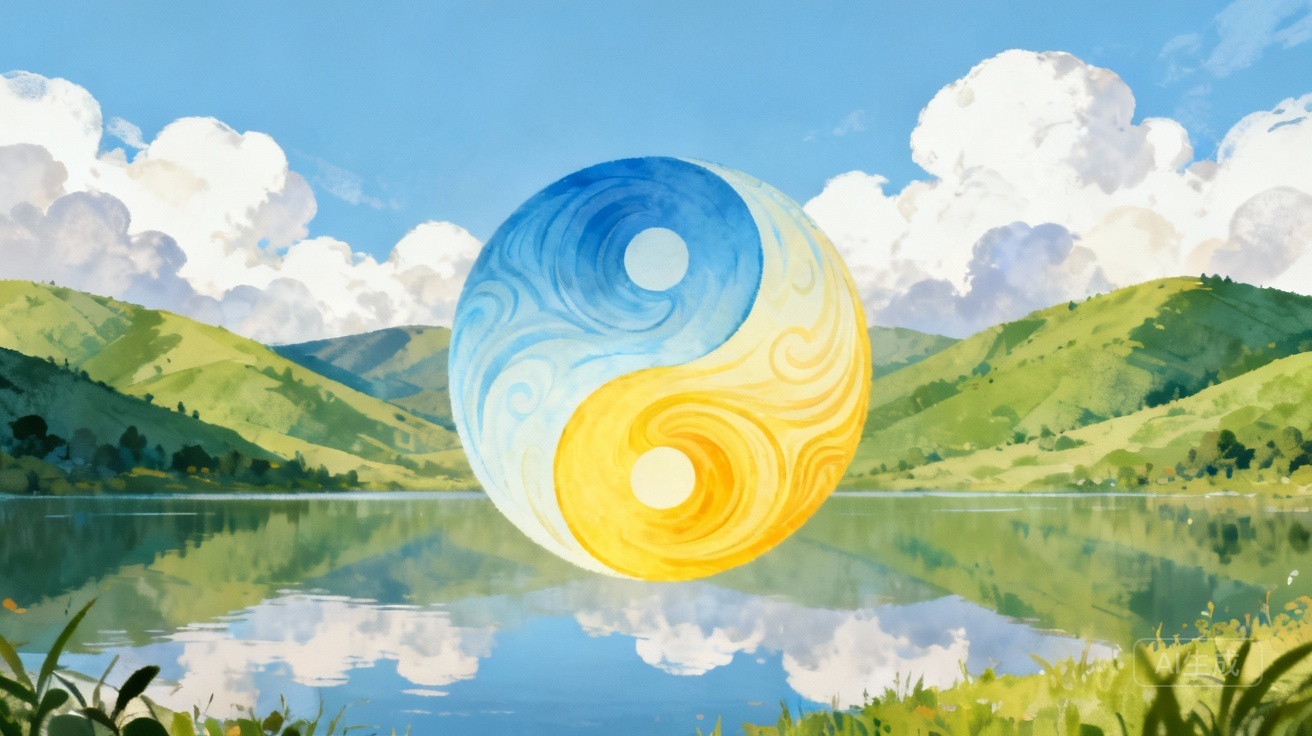
Yin represents quiet, a deep stillness, coldness, and a tendency to draw inward, like evening’s calm. Conversely, Yang embodies movement, outward expression, warmth, and an expansive, active nature, like the midday sun. Emotional shifts often indicate an imbalance between these vital life forces. The constant interplay of Yin and Yang creates our physical and mental state.
Identify Your Emotional Patterns: Recognize Imbalance
TCM views our major organs as intertwined with specific emotional responses and energies. For example, the Liver system governs the smooth flow of vital energy throughout your body. When Liver energy gets stuck, like a traffic jam in your body, you might experience frustration, irritability, or feelings of depression (PMID: https://pubmed.ncbi.nlm.nih.gov/27040439/). The Heart system relates to mental clarity; an overactive Heart can manifest as anxiety or difficulty sleeping.
Address Inner Discord: Soothe Specific Organs
The Spleen system processes thoughts and governs our ability to focus, making it prone to worry when weakened. The Lung system is intrinsically linked with feelings of grief and profound sadness. Furthermore, the Kidney system is connected to fear, impacting our sense of security. Understanding these connections helps pinpoint the roots of emotional distress. Achieving inner harmony often starts with these insights.
Recognize Deeper Signals: Interpret Your Body’s Language
A Yin deficiency often leads to symptoms like restlessness, anxiety, or insomnia, feeling “hot” internally. On the other hand, a Yang deficiency may present as low energy, pessimism, or constant procrastination, feeling “cold” or depleted. Issues with the smooth flow of energy can also cause feelings of being stuck, frustrated, or easily irritated. These signals are your body communicating its need for **holistic emotional health**.
Embrace Daily Practices: Restore Vital Energy Flow
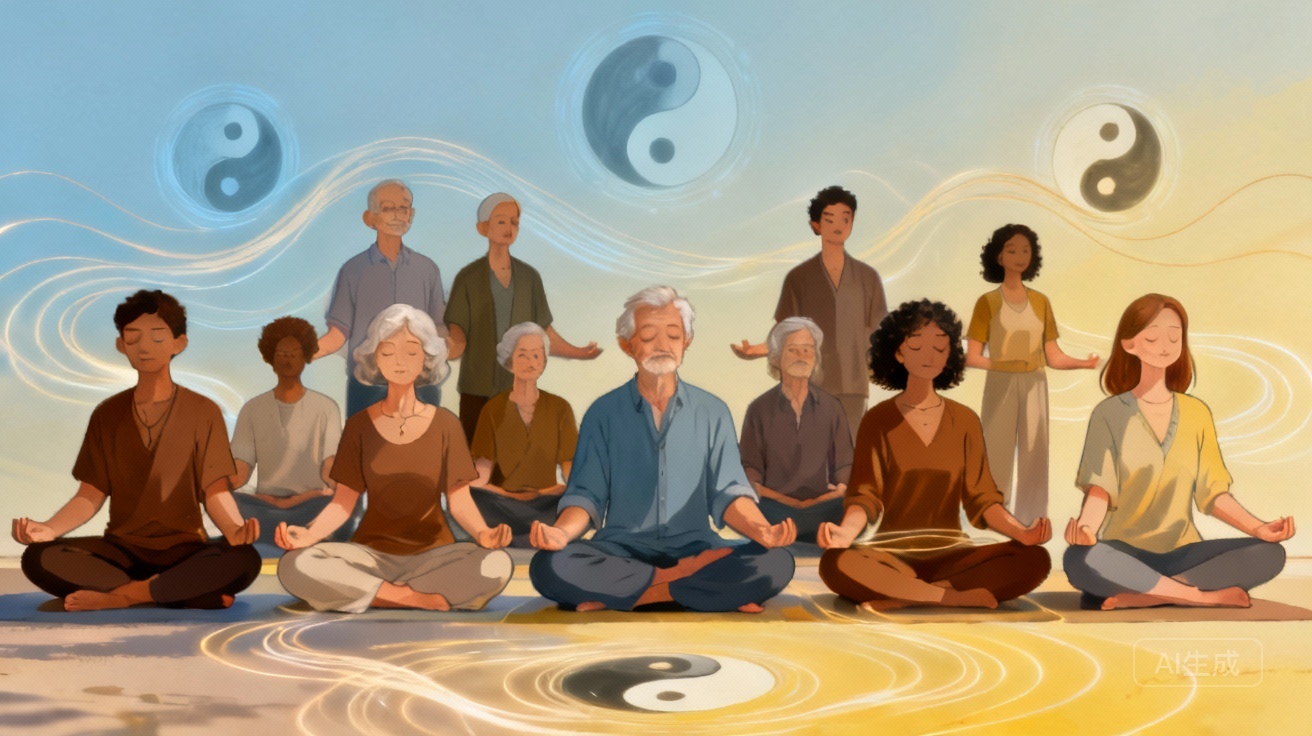
The core of emotional management in TCM lies in restoring the delicate Yin Yang Emotional Balance. This means adopting personalized strategies, such as nourishing Yin to cool heat, warming and strengthening Yang energy, or soothing the Liver to regulate overall energy flow. Mindful breathing, consistent daily routines, and movement practices like Tai Chi or Qigong are excellent starting points for restoring **vital energy flow** (PMID: https://pubmed.ncbi.nlm.nih.gov/27988390/). Explore how these practices can boost your well-being at /tcm-basics/qi-gongtai-chi/.
Integrate Holistic Support: Nourish Body & Mind
Beyond these foundational practices, specific interventions like acupuncture, targeted herbal medicine, and mindful dietary choices play crucial roles. Lifestyle adjustments are equally important for cultivating mind-body equilibrium. For a Western perspective, think of balancing your “internal hot” and “internal cold,” or finding harmony between “active” and “still,” and “gathering” versus “releasing” energies. Prioritizing consistent sleep, regular exercise, and conscious breathing dramatically improves your **mood regulation**.
Cultivate Lasting Calm: Implement Simple Habits
By understanding and actively balancing these fundamental principles, you empower yourself to achieve profound **stress reduction**. Small, consistent daily shifts can lead to significant improvements in your emotional landscape. Ultimately, the goal is to cultivate a state of **calm resilience** through balanced **Yin Yang Emotional Balance**. Discover more tips for a thriving lifestyle at /healthy-living/. This journey toward better emotional health is an empowering process, offering a pathway to a more centered and peaceful life (PMID: https://pubmed.ncbi.nlm.nih.gov/30366624/).
References
(PMID: 27040439) Early insights into Liver Qi stagnation and its emotional impact.
(PMID: 27988390) The therapeutic effects of Qigong and Tai Chi on stress and emotional regulation.
(PMID: 30366624) A review of mind-body practices for enhancing emotional well-being.
Your 3-Second Self-Test & 30-Second Self-Rescue
If you often feel irritable or emotionally “stuck,” then immediately take 3 deep, slow breaths, focusing on a long, gentle exhale to release tension.
If you’re plagued by anxious thoughts or restless sleep, then immediately rub your inner wrists together gently for 30 seconds to help calm your spirit.
Medical Disclaimer:This article is for educational use only and is not a substitute for professional medical advice.