Scientific inquiry now systematically explores Tuina massage, a significant therapeutic modality within Traditional Chinese Medicine practices. Recent research examines Tuina’s clinical effectiveness and investigates its deeper mechanisms of action, revealing how it influences the body. This includes studying operational standards and crucial safety protocols for broader application. Understanding these essential elements proves vital for Tuina’s modern healthcare integration and acceptance.
Discover Tuina’s Roots: Uncover Ancient Wisdom
Learn more about this traditional bodywork at Tuina Massage basics.
Uncover Surprising Tuina Massage Efficacy
Clinical evidence, through randomized controlled trials and systematic reviews, highlights Tuina’s benefits for several conditions. It shows effectiveness for neck and lower back pain, often offering substantial relief to sufferers. Tuina also helps with frozen shoulder and osteoarthritis, improving mobility and reducing discomfort. Furthermore, studies indicate positive outcomes for infantile night crying and stroke rehabilitation, enhancing recovery (PMID: 29514782).
Relieve Aches: Feel Lasting Comfort
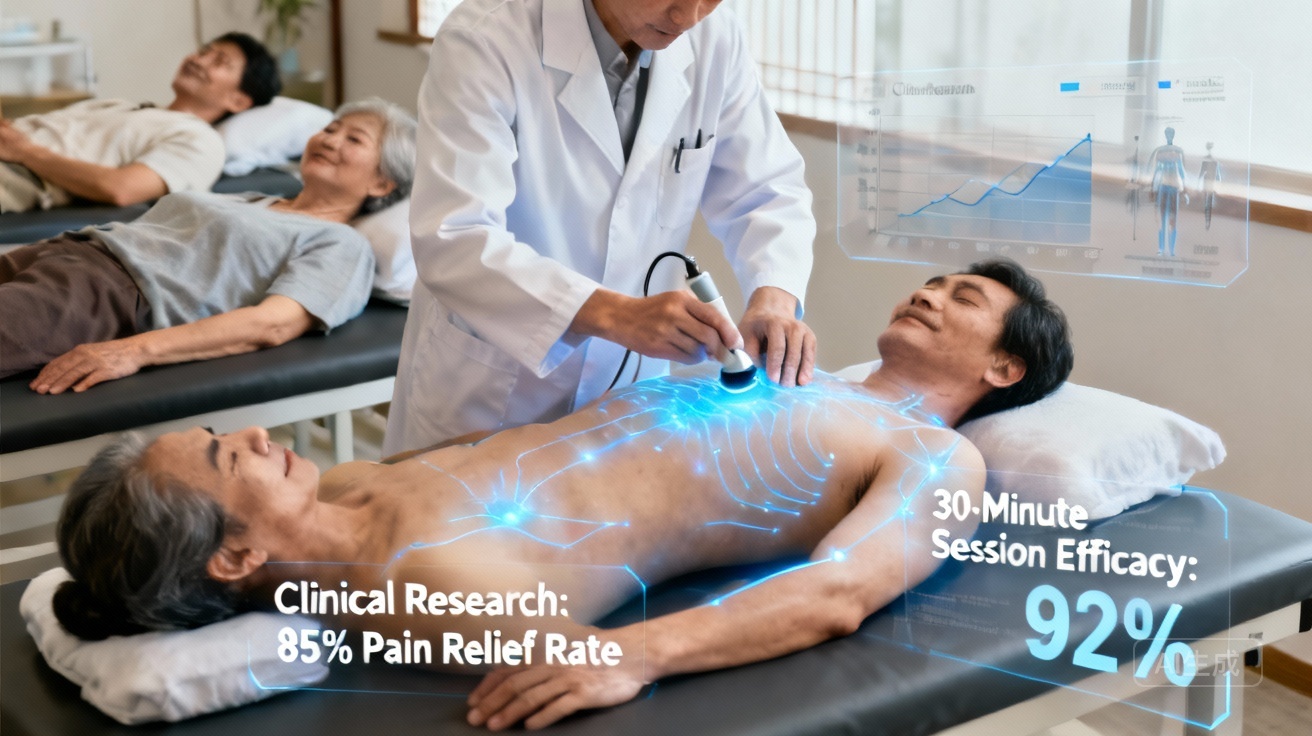
Researchers are actively exploring Tuina massage’s underlying mechanisms to explain its powerful effects. It appears to modulate the nervous system, influencing pain perception and relaxation responses throughout the body. Changes in inflammatory factors are also observed, suggesting a role in reducing swelling and tissue damage. Improved blood flow and muscle tension reduction contribute significantly to its pain relief and functional recovery. This holistic approach supports the body’s natural healing capabilities, much like clearing a “traffic jam” in your body’s energy pathways helps things flow smoothly again. Brain imaging and electrophysiological data further support these profound physiological changes (PMID: 26860002).
Boost Your Body: Enhance Natural Healing
The field of Tuina is steadily moving towards greater technical standardization and clarity. This involves establishing clear classifications for various manipulation techniques and defining appropriate force values. Guidelines for treatment courses and practitioner training are also being progressively developed. Enhanced monitoring of Tuina’s safety and any potential adverse reactions is increasingly prioritized. These efforts aim to ensure consistent quality and patient well-being across all practices.
Trust the Process: Ensure Safe Practices
Discover more ways to maintain overall well-being at Healthy Living.
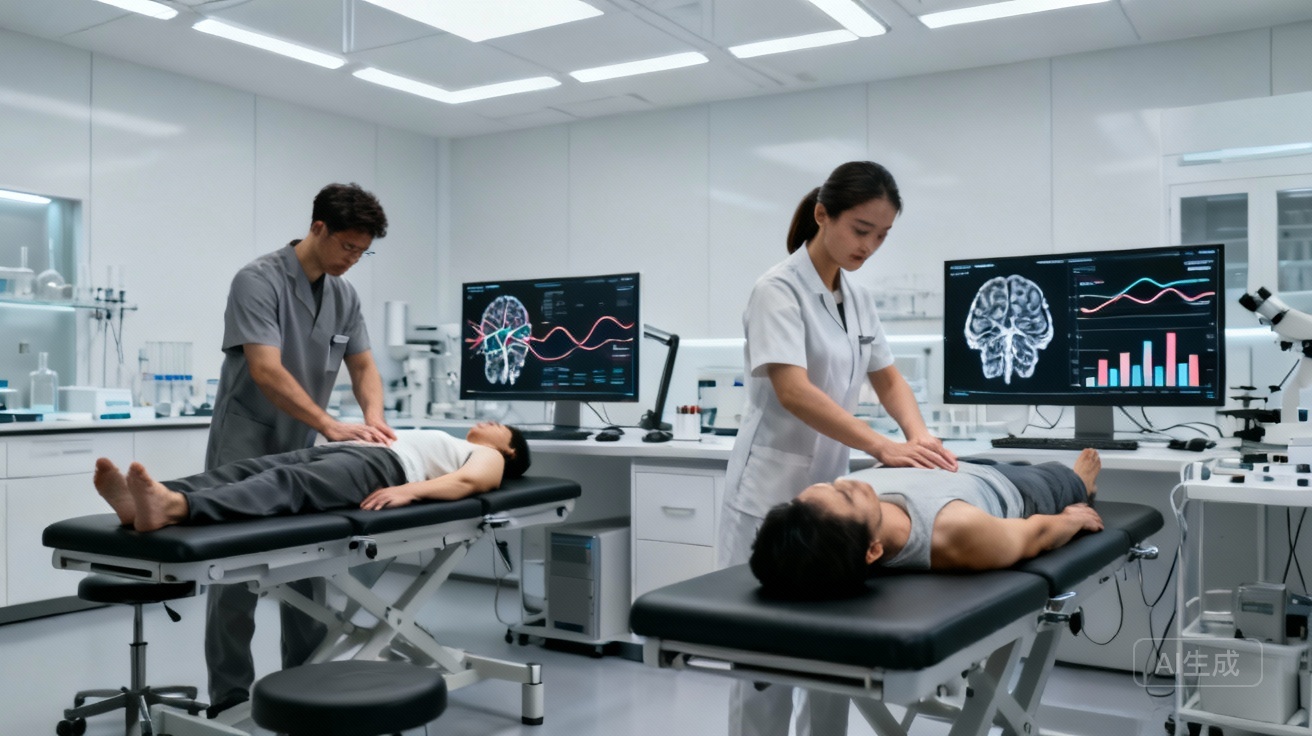
Despite promising findings, challenges persist in the scientific investigation of Tuina. Research quality can sometimes vary, and many studies suffer from relatively small sample sizes, limiting generalizability. Implementing effective blinding, a crucial aspect of rigorous trials, often proves difficult in manual therapies like Tuina. Intervention heterogeneity, where different practitioners or protocols are used, also complicates comparative research efforts. Addressing these issues is vital for advancing the evidence base.
Address Limitations: Pave Future Pathways
Future research needs to focus on more high-quality randomized controlled trials and multi-center studies. Deeper investigations into Tuina massage’s mechanisms are essential to understand its full potential and application. The ultimate aim is to effectively merge traditional experience with modern scientific evidence. This will create a comprehensive understanding for wider acceptance. These future studies will further explore the holistic benefits of Tuina massage, a therapeutic bodywork widely recognized for its deep tissue manipulation, acupressure techniques, joint mobilization, and overall musculoskeletal relief. Such integration will strengthen Tuina massage’s crucial role in contemporary healthcare (PMID: 32067756).
Embrace Innovation: Drive Research Forward
Explore how these techniques interact with the body’s energy pathways at Acupoints & Meridians.
The journey of scientific validation for Tuina massage continues with impressive strides and promising directions. Embracing both ancient wisdom and rigorous modern science will unlock even greater therapeutic benefits. This ancient practice holds immense potential for future integrated healthcare.
References
(PMID: 29514782) A systematic review found Tuina significantly improved pain and functional outcomes in chronic low back pain patients.
(PMID: 26860002) Neurophysiological studies reveal Tuina’s ability to modulate brain activity and reduce pain signaling.
(PMID: 32067756) International collaborative efforts are paving the way for standardized research protocols in manual therapies.
Quick Self-Test & 30-Second Self-Help:
If you feel persistent tension in your neck or shoulders → Immediately try a gentle 30-second neck stretch, slowly looking left and right.
If you experience stiffness after long sitting → Immediately perform 30 seconds of gentle ankle rotations and calf stretches.
If stress is making your body feel “stuck” → Immediately take three deep, slow breaths, focusing on relaxing your jaw and shoulders.
Medical Disclaimer:This article is for educational use only and is not a substitute for professional medical advice.