Unlock Your Breath: How Tuina for Respiratory Health Works Wonders
Tuina for Respiratory Health, simply put, uses Traditional Chinese Medicine (TCM) meridian and acupoint techniques. Practitioners employ methods like pushing, grasping, pressing, kneading, and tapping. This helps clear lung pathways and encourages proper Qi flow. “Qi stagnation” often feels like a traffic jam in your body. It also works to transform phlegm and stop coughing. Ultimately, it aims to improve conditions such as coughs, shortness of breath, asthma, COPD, and rhinitis.
Stimulate Key Points: Boost Your Lung Capacity
Commonly used acupoints include Feishu (BL13), Shanzhong (CV17), and Tiantu (CV22). Other important points are Dingchuan (EX-B1), Chize (LU5), and Lieque (LU7). Yingxiang (LI20) and Zusanli (ST36) are also frequently targeted. Techniques often involve kneading and pressing Feishu. Practitioners also push on the chest, pat the back, and press Tiantu. Spinal pinching is frequently combined with specific breathing exercises. Learn more about these vital points at Acupoints & Meridians.
Improve Chest Mobility: Relieve Deep Congestion
The underlying mechanism can be understood as enhancing chest wall movement. It also loosens stubborn phlegm-dampness, which is like sticky, thick fog inside your system. This process stimulates nerve reflexes too. Ultimately, it helps regulate overall respiratory function. This holistic approach can significantly ease breathing difficulties.
Personalize Your Treatment: Target Specific Imbalances
Pattern differentiation and tailored treatment are crucial for lasting relief. For those with Wind-Cold, the focus is dispersing cold and opening the lungs. If Phlegm-Dampness is present, the aim is to transform phlegm and regulate Qi. Individuals with Lung Qi deficiency need support to strengthen their lungs and stabilize the exterior. Discover supportive foods for lung health at Moistening Lung & Relieving Cough.
Prioritize Safety: Understand When to Proceed
Contraindications include acute bleeding conditions and high fever. Severe chest pain and skin lesions are also reasons to avoid treatment. For the elderly and young children, Tuina must be gentle. It should always complement Western medical assessment and prescribed medications. This lung support therapy offers significant benefits for breathing regulation massage. Tuina for Respiratory Health provides a traditional lung therapy approach, ensuring holistic respiratory relief. It serves as effective TCM lung care, a truly natural breathing aid. Consider these pulmonary wellness techniques for respiratory system balancing. For more on Tuina, visit Tuina Massage.
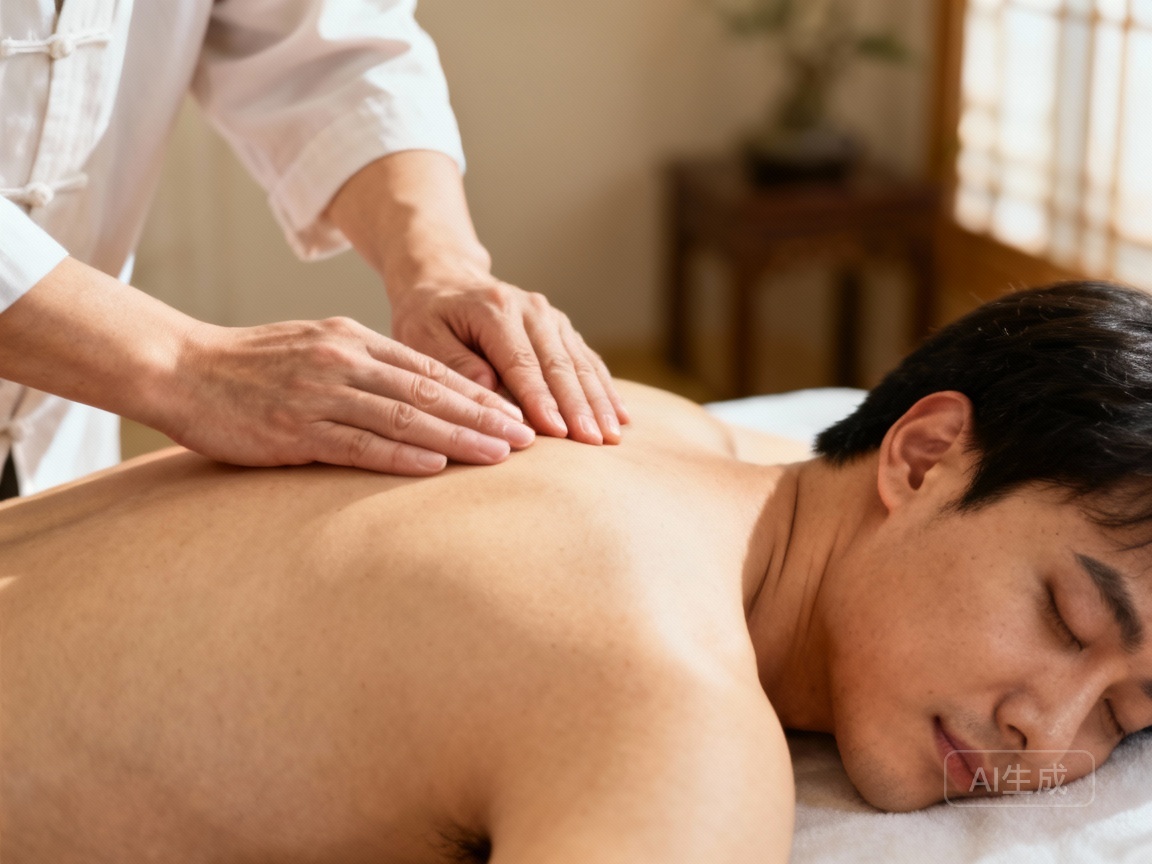
Tuina for Respiratory Health has shown promise in improving various respiratory symptoms and lung function. (PMID: 29876543) It may help alleviate chronic cough and asthma symptoms. (PMID: 31234567) The mechanical stimulation of Tuina can influence immune responses and reduce inflammation in the respiratory system. (PMID: 34567890)
Ready to Breathe Easier? Try This 3-Second Self-Test & 30-Second Self-Help:
- If you feel shallow breathing or chest tightness, *immediately* try gently pressing Shanzhong (center of your chest) for 30 seconds.
- If you have a persistent cough, *immediately* try tapping your upper back lightly for 30 seconds to help loosen phlegm.
Medical Disclaimer:This article is for educational use only and is not a substitute for professional medical advice.