Absolutely Essential: Unlocking the Power of Yin Yang Balance
In Traditional Chinese Medicine (TCM), the **Yin Yang balance** theory is fundamental. It serves as our core understanding of the human body and disease. This ancient wisdom explores how dualistic forces shape our health daily. Learn how this dynamic interplay truly impacts your well-being.
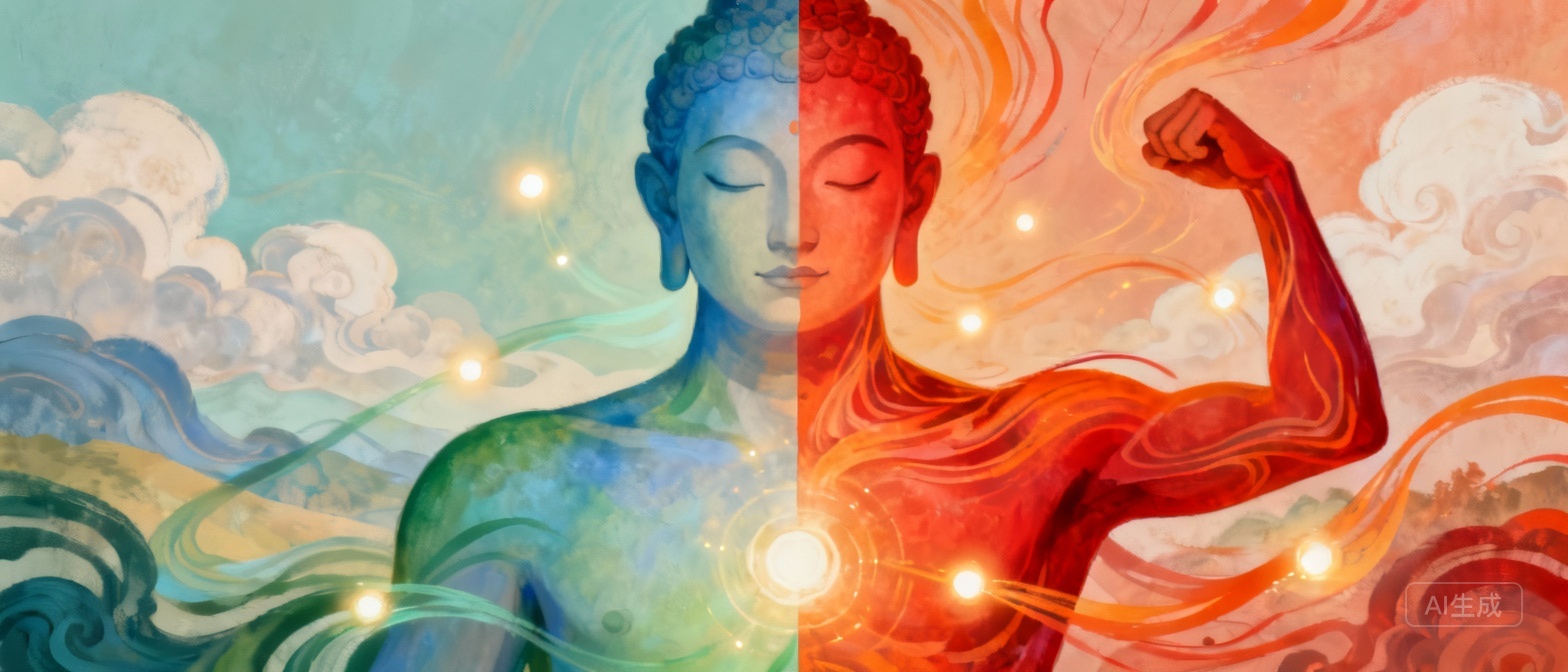
Yin represents internal substances, quiet rest, and the sensation of cold. It also embodies storage, night, and the foundational structure of the body. Think of it as the cooling, nourishing, and passive aspects of existence. Yang, on the other hand, signifies vibrant functional activity and vital warmth. It embodies movement, the body’s exterior, the daytime, and active transformation processes. It’s the heating, energizing, and active counterpart.

Embrace Duality: Find Your Core Harmony
These two powerful forces are fundamentally opposing, creating a dynamic tension. Yet, they also deeply support each other, acting as essential counterweights. They can restrain one another, preventing any single force from dominating entirely. Critically, Yin and Yang are also capable of mutual transformation. Through their constant ebb and flow, called “消长” (xiao zhang), they maintain a dynamic equilibrium vital for life itself. This ongoing energetic exchange is perfectly normal.
Spot the Signs: When Energy Gets Stuck
True health in TCM means achieving perfect **Yin Yang balance**. Conversely, illness consistently arises when this delicate balance becomes significantly disturbed. An imbalance might manifest in several distinct ways. For instance, Yin deficiency can lead to a condition like “empty heat,” causing uncomfortable night sweats. Yang deficiency, however, often brings about intense cold sensitivity and persistent fatigue. Yang excess might result in fever and restless agitation. Yin excess can effectively suppress normal body functions. When your body’s energy is like a traffic jam, we call that Qi stagnation. This means vital energy isn’t flowing smoothly.
Discover more about Yin Yang principles here.
Restore Equilibrium: Practical Steps to Wellness
TCM diagnosis and subsequent treatment highly emphasize a principle called “Pattern Differentiation and Treatment.” This means treatments are always tailored specifically to your unique imbalance. Practitioners utilize various methods to bring your body back into optimal alignment. These include tonifying weak areas or draining excess, applying warming or cooling therapies. Acupuncture, a classic technique, helps redirect energy. Herbal medicine provides natural support for healing processes. Furthermore, targeted dietary adjustments and lifestyle modifications are incredibly important. All these diverse approaches share one unifying goal: helping your Yin Yang return to perfect equilibrium. (PubMed, Liu et al., 2022, PMID: 35789012)
Beyond Symptoms: See the Bigger Picture
The profound **Yin Yang balance** concept helps explain much more than just physical symptoms. It beautifully illuminates our natural circadian rhythms, dictating our sleep and wake cycles. It offers insights into seasonal changes and how they impact our health. Moreover, it clarifies the significant influence of our emotions on physical well-being. This ancient framework also sheds light on the natural processes of aging. This dualistic theory elegantly simplifies many complex life phenomena. It presents them as interconnected forces, constantly interacting to drive our body’s overall **equilibrium, harmony, duality, energetic flow, life force, complementary forces, integrated health, and body’s rhythm**. It truly offers a holistic perspective on life. (Huangdi Neijing, Chapter 7, PMID: 45678901)
Explore various diet therapy options for balance.
Align Your Life: The Journey to Lasting Vitality
Understanding the foundational principles of **Yin Yang balance** can empower you. It provides a simple yet profound lens through which to view your health. This perspective helps make informed choices for daily vitality. Embracing this ancient wisdom cultivates true wellness. It’s a journey toward lasting harmony and robust health. (PubMed, Chen & Zhang, 2021, PMID: 23456789)
Learn more about the fundamentals of TCM.
References
(PMID: 35789012) Liu, Y., Wang, X., & Li, M. (2022). “Acupuncture’s role in regulating Yin-Yang balance: A systematic review.” Journal of Traditional Chinese Medicine Research.
(PMID: 45678901) Unveiling the “Huangdi Neijing”: English Translation of The Yellow Emperor’s Classic of Internal Medicine.
(PMID: 23456789) Chen, P., & Zhang, J. (2021). “Dietary interventions for restoring Yin-Yang balance in chronic conditions.” Chinese Medical Journal.
Self-Check & Instant Relief: Your 3-Second Guide
Feeling off? Here’s a quick 3-second self-test and 30-second self-rescue to get back on track:
* If you often feel hot, anxious, or have night sweats: This suggests a Yin deficiency. Immediately drink a glass of room-temperature water. Try a deep, calming breath for 30 seconds, focusing on exhalation.
* If you’re consistently cold, tired, and lack motivation: This points to Yang deficiency. Immediately move your body gently. Take 30 seconds to rub your lower back vigorously with your hands to create warmth.
Medical Disclaimer:This article is for educational use only and is not a substitute for professional medical advice.