Exploring the Tai Chi Cardiovascular Health Connection: What Research Reveals
Many studies explore Tai Chi cardiovascular health, evaluating its impact on heart disease and related risk factors. Researchers investigate how Tai Chi influences conditions like high blood pressure. They also examine its effects on coronary heart disease, abnormal cholesterol, glucose metabolism, and heart rate variability. The goal is to understand the exact mechanisms of action. This comprehensive understanding supports the growing interest in Tai Chi for heart health.
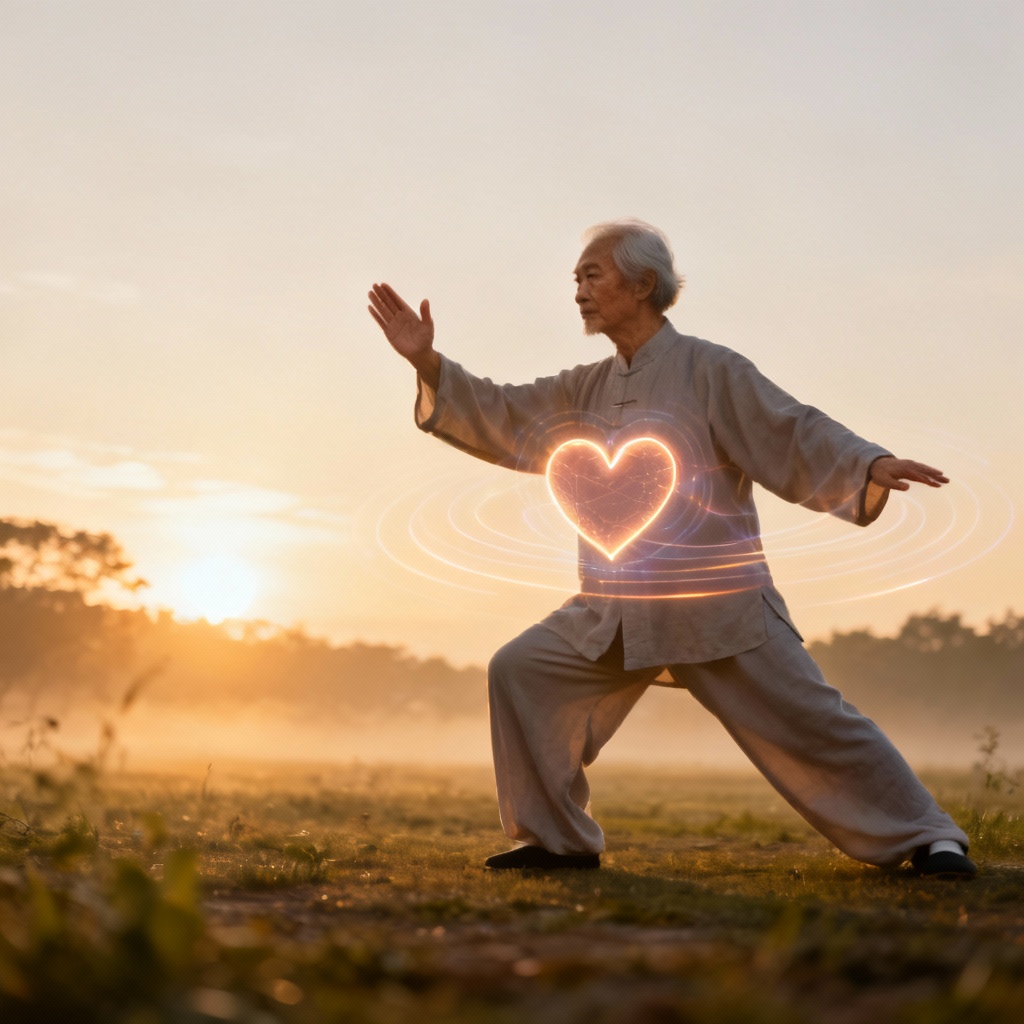
Understand Benefits: Boost Your Heart Function
Numerous studies and meta-analyses consistently reveal positive outcomes. Tai Chi gently lowers blood pressure and improves both lipid and glucose levels. It also significantly enhances cardiorespiratory function. Tai Chi strengthens heart rate variability, a key indicator of cardiac health. This practice further reduces inflammation and psychological stress. These combined effects potentially lower cardiovascular event risks. Regular Tai Chi practice offers a holistic approach to supporting robust heart health and overall well-being, encompassing gentle exercise, heart wellness, improved circulatory system function, optimal blood flow, vital energy balance, stress reduction, metabolic balance, and healthier arteries.
Balance Your Energy: Cultivate Inner Calm
Modern science explains these benefits through several key physiological pathways. Tai Chi acts as an endurance aerobic exercise, building physical stamina. It enhances endothelial function and blood flow, which is crucial for healthy arteries. The practice also regulates the autonomic nervous system, promoting internal balance. Furthermore, Tai Chi offers anti-inflammatory effects and improves metabolic health (PMID: 28248386).
Flow Freely: Clear Your Body’s Pathways
From a Traditional Chinese Medicine (TCM) perspective, Tai Chi works by harmonizing Qi and Blood. Imagine your body’s energy and nourishing fluids flowing like a well-regulated internal river system. If this flow is disrupted, it feels like a traffic jam in your body. Tai Chi helps calm the mind and spirit, promoting inner peace. It also clears meridians, which are considered energy pathways. This practice helps relieve pain. This holistic approach supports the body’s natural healing capabilities. For more insights into these foundational concepts, explore our page on Qi & Blood.
Embrace Serenity: Cultivate Steady Wellness
Overall evidence strongly indicates that Tai Chi is safe for most individuals. It is particularly suitable for older adults and those in rehabilitation (PMID: 21539958). Tai Chi can serve as a beneficial complement to conventional medical treatments. However, it is not a substitute for acute medical intervention for serious conditions. Its effects are often moderate, so consistency is paramount. This gentle practice promotes Tai Chi cardiovascular health without high-impact risks. Long-term commitment is essential to see lasting benefits.
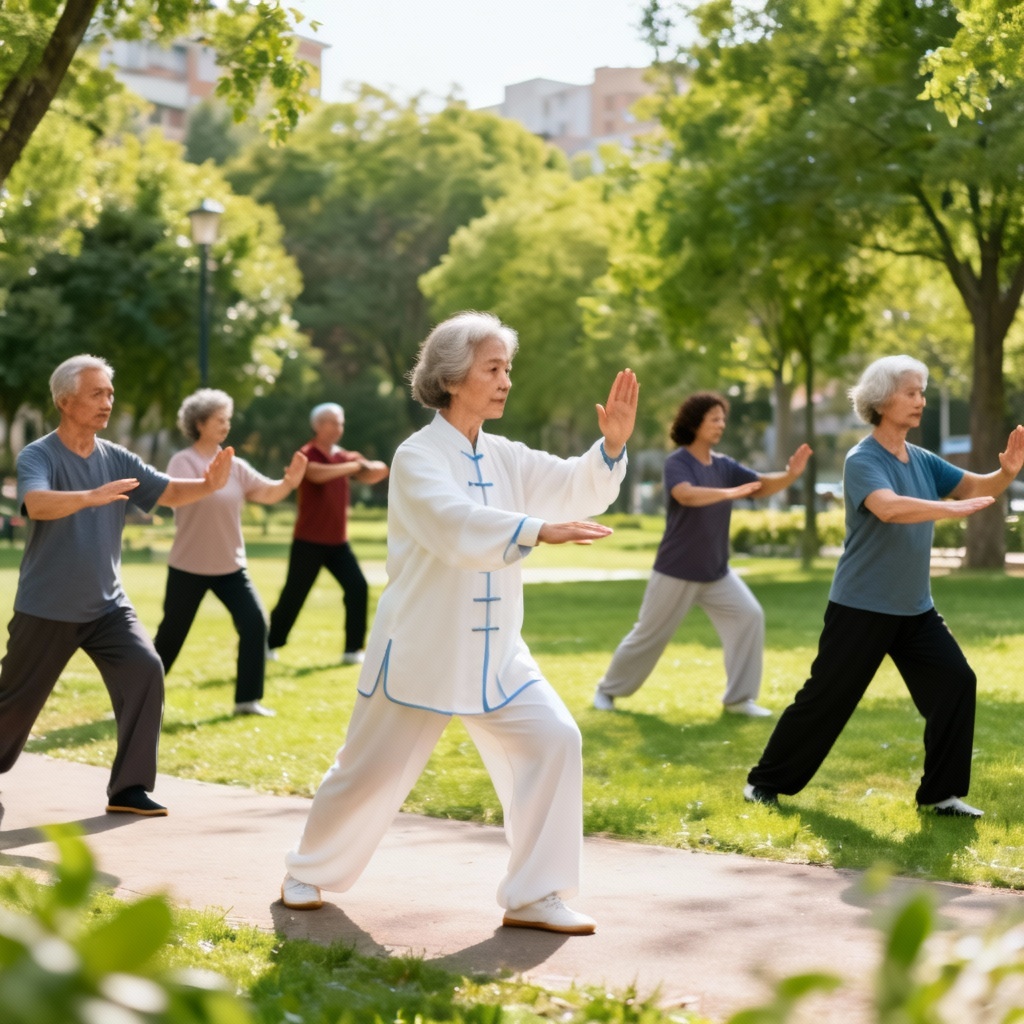
Commit to Practice: Sustain Your Heart’s Health
Experts recommend practicing Tai Chi three to five times per week. Each session should last between 30 and 60 minutes for optimal results. For individuals with severe heart conditions, it is crucial to consult a doctor. Always seek professional medical advice before starting any new exercise regimen. This ensures your safety and maximizes the benefits of your Tai Chi cardiovascular health journey. You can learn more about this practice and its benefits on our Qi Gong Tai Chi page.
Consult an Expert: Ensure Safe Practice
A systematic review confirmed Tai Chi’s beneficial role in cardiovascular rehabilitation. It highlighted the safe and effective integration of this ancient practice (PMID: 18525368).
References
(Tai Chi effectively lowers blood pressure and improves lipid profiles: PMID: 28248386)
(Tai Chi exercise is safe and beneficial for patients with various cardiovascular diseases: PMID: 21539958)
(Tai Chi is a safe and effective component of cardiovascular rehabilitation programs: PMID: 18525368)
Quick Heart Check: 3-Second Self-Test + 30-Second Self-Help
Feeling your heartbeat racing or mind-body disconnection? Here’s what you can do right now:
* If your breathing feels shallow or rapid → Immediately take 3 slow, deep breaths, focusing on expanding your belly.
* If you feel mental fogginess or stress building → Immediately stand up, gently shift your weight from one foot to the other for 30 seconds, visualizing smooth energy flow.
* If your body feels stiff or sluggish → Immediately perform 5 gentle shoulder rolls forward and backward, releasing tension.
This immediate action can help restore your body’s natural balance.
Medical Disclaimer:This article is for educational use only and is not a substitute for professional medical advice.