Qigong and yoga both offer amazing mind-body practices for wellness. But these ancient systems have unique origins and focus areas. Understanding the core distinctions in qigong vs yoga can truly guide your personal journey. Let’s explore their unique paths to achieving inner harmony. This guide will help you choose your perfect fit.
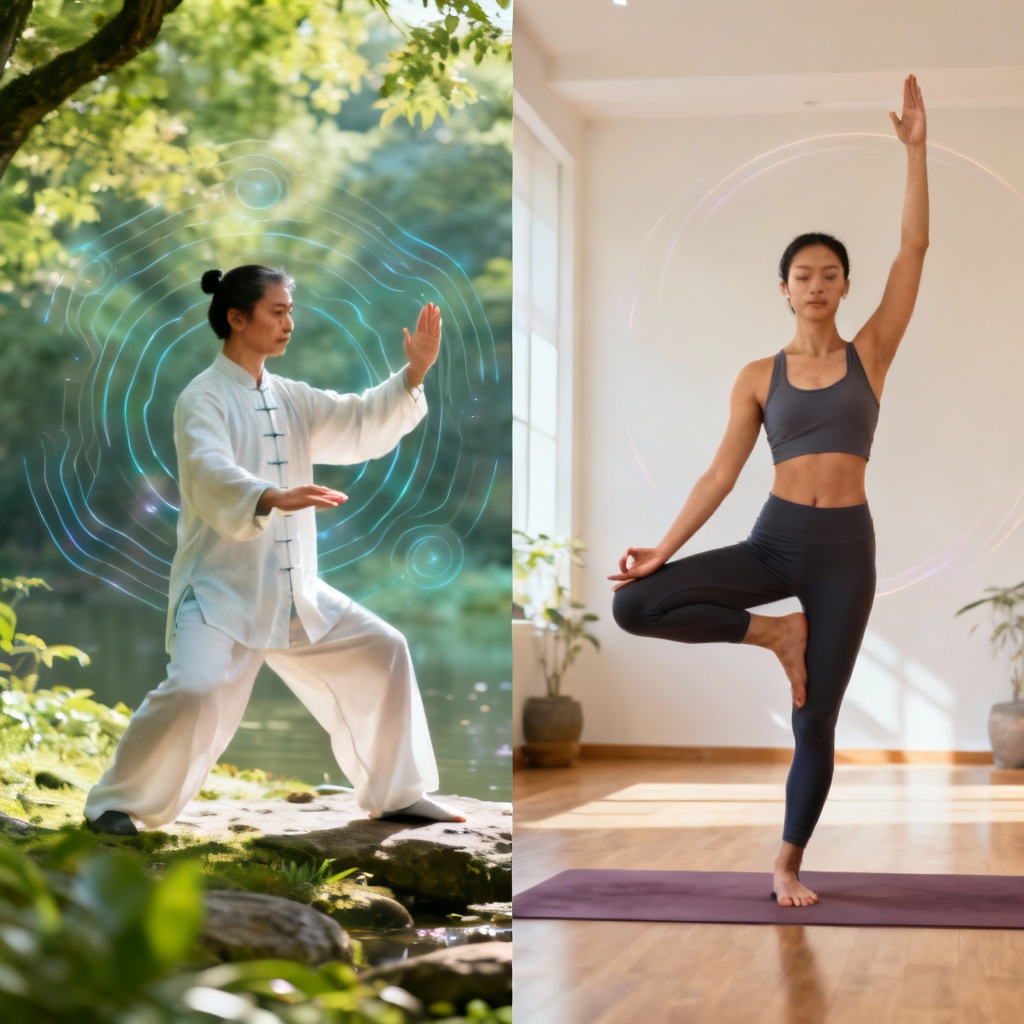
Unlocking the Marvelous Roots: Qigong vs Yoga Unveiled
Originating from Traditional Chinese Medicine (TCM) and Daoist traditions, Qigong centers on the concept of `Qi` and `meridians`. Think of `Qi` as your body’s vital life force, flowing through invisible energy pathways. Qigong exercises often involve slow, deliberate movements, including standing, walking, or sitting forms. Practitioners emphasize intentional breathwork and guided mental focus to direct this vital internal energy.
Embrace Ancient Wisdom: Discover Your Energy Flow
Traditional Chinese Medicine explains Qigong as a dynamic way to balance your internal systems. It is like gently steering your inner current for better overall health. This practice uniquely cultivates a profound awareness of your body’s subtle energy. It consistently offers deep relaxation and significant physical benefits.
Conversely, yoga hails from ancient Indian philosophy and Ayurvedic principles. It primarily prioritizes specific physical postures, which are known as `asanas`. Yoga also includes controlled breathing exercises, commonly called `pranayama`. Deep meditation forms another crucial aspect of this holistic practice.
Find Your Center: Enhance Body and Breath
Yoga encompasses a wide range of styles, from dynamic, flowing sequences to static, held poses. Each style offers distinct benefits for both physical conditioning and mental clarity. It is a comprehensive system meticulously designed to unite body, mind, and spirit effectively. Many individuals find profound peace through its dedicated practice.
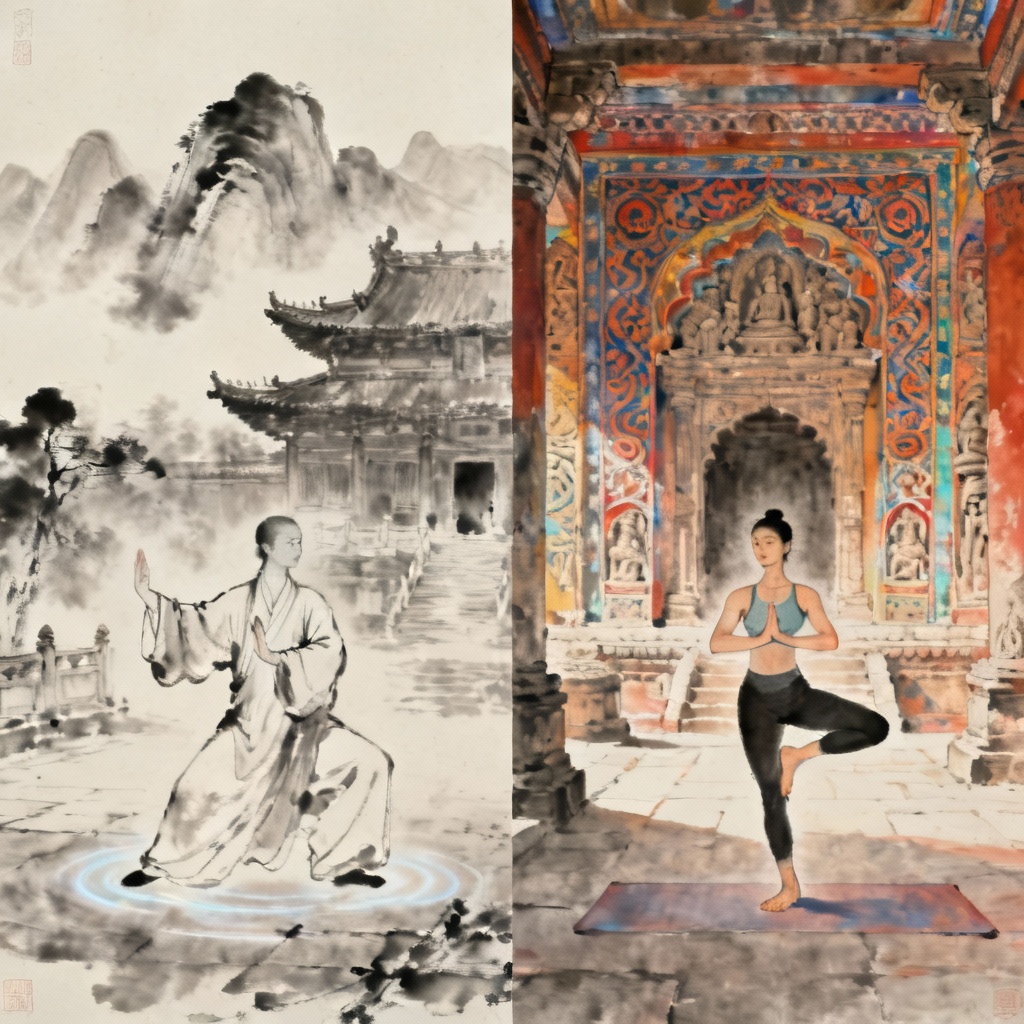
Understanding the Wonderful Overlap and Unique Gifts
Both Qigong and yoga share remarkable benefits for navigating modern life’s challenges. They significantly reduce stress, effectively easing daily tensions and anxieties. Both practices enhance respiratory function, promoting deeper, more efficient breathing patterns. They also boost circulation and support healthy endocrine system balance.
Calm Your Nerves: Embrace Inner Peace
Explore healthy living practices that include these powerful mind-body tools. They contribute significantly to overall well-being and long-term longevity. Each system brings unique strengths to your personal health regimen. Choose what truly resonates with your needs.
However, key differences exist in their primary emphasis and underlying methodology. Yoga primarily focuses on building muscular strength and increasing physical flexibility across the body. It also places a strong emphasis on correcting postural alignment for improved stability. This creates a resilient and balanced physical foundation.
Strengthen Your Frame: Cultivate Resilience
Qigong, in contrast, delves deeper into the *sensation of energy flow* within the body. It targets specific `TCM syndromes`, which are like a traffic jam in your body. It consistently helps rebalance these unique energy patterns. This unique approach prioritizes internal harmony and vital force circulation.
Choosing Your Path: Qigong, Yoga, or Both?
Deciding between qigong vs yoga depends greatly on your specific personal goals. Do you primarily seek increased flexibility, physical power, and improved endurance? Yoga might be your ideal starting point. Are you more drawn to subtle energy cultivation and profound internal balance? Qigong could be a perfect match. Many individuals find great value in combining aspects of both practices to gain the best of these disciplines.
Optimize Your Health: Make an Informed Choice
This integrated approach offers a more holistic and comprehensive wellness experience for practitioners. Consider your current physical condition and health objectives very carefully. Always listen attentively to your body’s unique needs and signals. This ensures your chosen path provides maximum benefits and satisfaction.
For Americans, Qigong can be understood as `TCM-style energy calisthenics combined with meditation`. `Yoga is an Indian-style body and breath system for holistic mind-body connection`. Both are incredibly powerful. They offer profound pathways to health. Remember, consulting a qualified instructor is always wise.
Elevate Your Well-being: Discover Your Potential
Understanding the distinctions between Qigong vs Yoga helps you make empowered choices. It empowers you to tailor a routine that supports your highest well-being. Embrace the journey toward a more balanced and vibrant you. Learn more about Qi and Blood in TCM.
—
References
(Qigong significantly reduces cancer-related fatigue, improving patient quality of life. PMID: 32364132)
(Yoga practice enhances brain health, improving cognitive function and emotional regulation. PMID: 35059639)
(Both Qigong and Yoga are effective complementary therapies for managing chronic pain conditions. PMID: 33755490)
—
Feeling unclear about your mind-body path?
**3-Second Self-Test & 30-Second Self-Rescue:**
* **If you feel stiff, restless, or crave physical exertion:** **Immediately** try 3 slow, deep cat-cow stretches. Feel your spine articulate.
* **If you feel drained, disconnected, or mentally stressed:** **Immediately** place hands on your lower abdomen and take 3 deep, quiet breaths. Imagine a warm, calming light.
Medical Disclaimer:This article is for educational use only and is not a substitute for professional medical advice.