Embracing the Scientific Evolution of Qigong and Tai Chi
The future of Qigong and Tai Chi is heading into three clear directions. These include scientific validation, greater standardization, and true global reach. Expect to see more evidence-based research emerging soon. These studies will often combine with modern medicine, neuroscience, and exercise physiology. Researchers will verify their effectiveness and understand the underlying mechanisms. This evolution is set to transform how we view these ancient practices, making them indispensable. Qigong Tai Chi Future is looking brighter and more integrated.
Discovering Deeper Benefits: Scientific Validation
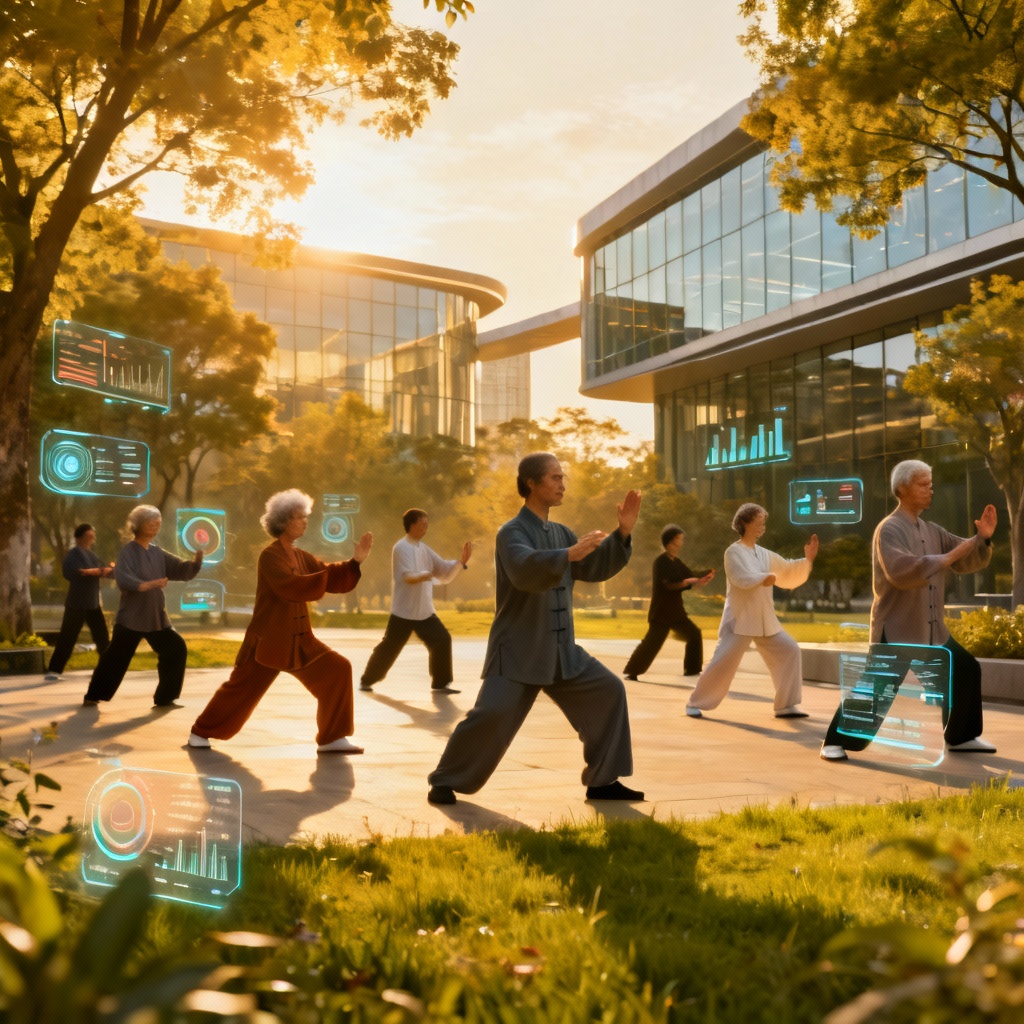
Rigorous scientific research will confirm the diverse health benefits. This will bridge the gap between ancient wisdom and modern understanding. Imagine doctors prescribing these practices alongside medication. This shift could redefine preventative care for millions globally. It moves beyond anecdotal evidence to verifiable outcomes (PMID: 32305597).
Integrating Ancient Wisdom: Healthcare Applications
Future Qigong and Tai Chi practices will blend seamlessly into healthcare. They will support recovery from illness and manage chronic conditions. This integration means better patient outcomes for everyone. It also offers a holistic approach to wellbeing. Our medical system can truly benefit from this synergy.
Unlocking Brain Power: Neuroscience Connections
Neuroscience will uncover how these movements enhance brain function. This might include improved cognitive abilities and emotional regulation. We can expect exciting discoveries about the mind-body connection. These insights could lead to new therapeutic applications. It’s about optimizing both mental and physical health.
Optimizing Performance: Exercise Physiology Insights
Exercise physiology will analyze the physical aspects of these arts. This helps maximize their benefits for strength, flexibility, and balance. Understanding these mechanics provides a scientific blueprint. It allows for personalized and highly effective training programs. Athletes and everyday individuals can both gain an edge.
Harmoniously Standardizing Qigong and Tai Chi Practices
Standardization is another crucial aspect for the future. This will manifest in consistent teaching methods and established routines. Expect clear examination processes and robust instructor certification. Furthermore, new safety standards for movement will be created. This ensures quality and safety for all practitioners. These steps are vital for widespread acceptance.
Ensuring Quality Education: Certification and Training
Formal training and certification will guarantee high teaching standards. This ensures that instructors are well-qualified and knowledgeable. Practitioners can trust the guidance they receive. It also elevates the professional status of teachers. This makes learning Qigong Tai Chi accessible and reliable.
Building Safe Practices: Movement Standards
Clear exercise safety standards will prevent injuries and promote well-being. These guidelines ensure movements are performed correctly. Everyone can practice with confidence. This fosters a secure and supportive learning environment. Safety is always paramount for physical activity.
Globally Expanding Qigong and Tai Chi for Everyone
Globalization involves both cultural sharing and local adaptation. This allows people from diverse backgrounds to embrace these arts. The essence remains, but the presentation adapts. This makes Qigong and Tai Chi truly universal. It respects traditions while reaching new audiences.
Spreading the Culture: Worldwide Accessibility
Qigong and Tai Chi will spread across cultures, promoting global health. Their gentle movements are suitable for all ages and fitness levels. This universal appeal transcends language barriers. It creates a shared pathway to wellness. Imagine these practices in every community center.
Adapting Locally: Culturally Sensitive Approaches
Local adaptations will make these practices more relatable and engaging. This might involve different teaching styles or musical accompaniments. Respecting local customs is key for successful integration. This ensures a more personal connection. People can truly make it their own.
Leveraging Technology for Personalized Wellness Journeys
Digitalization and personalization are becoming increasingly important tools. Online courses will offer flexible learning opportunities. Wearable devices will track progress and provide real-time feedback. Big data analytics will tailor practice guidance to individual needs. This enhances both monitoring and effectiveness. The Qigong Tai Chi Future is intricately linked with technology.
Accessing Knowledge Anywhere: Online Learning
Online platforms will democratize access to high-quality instruction. This removes geographical barriers, allowing anyone to learn. High-definition videos and interactive sessions enhance the experience. Learning Qigong and Tai Chi becomes as easy as logging on. It empowers self-paced progress for everyone (PMID: 34168430).
Tracking Progress Smartly: Wearable Devices
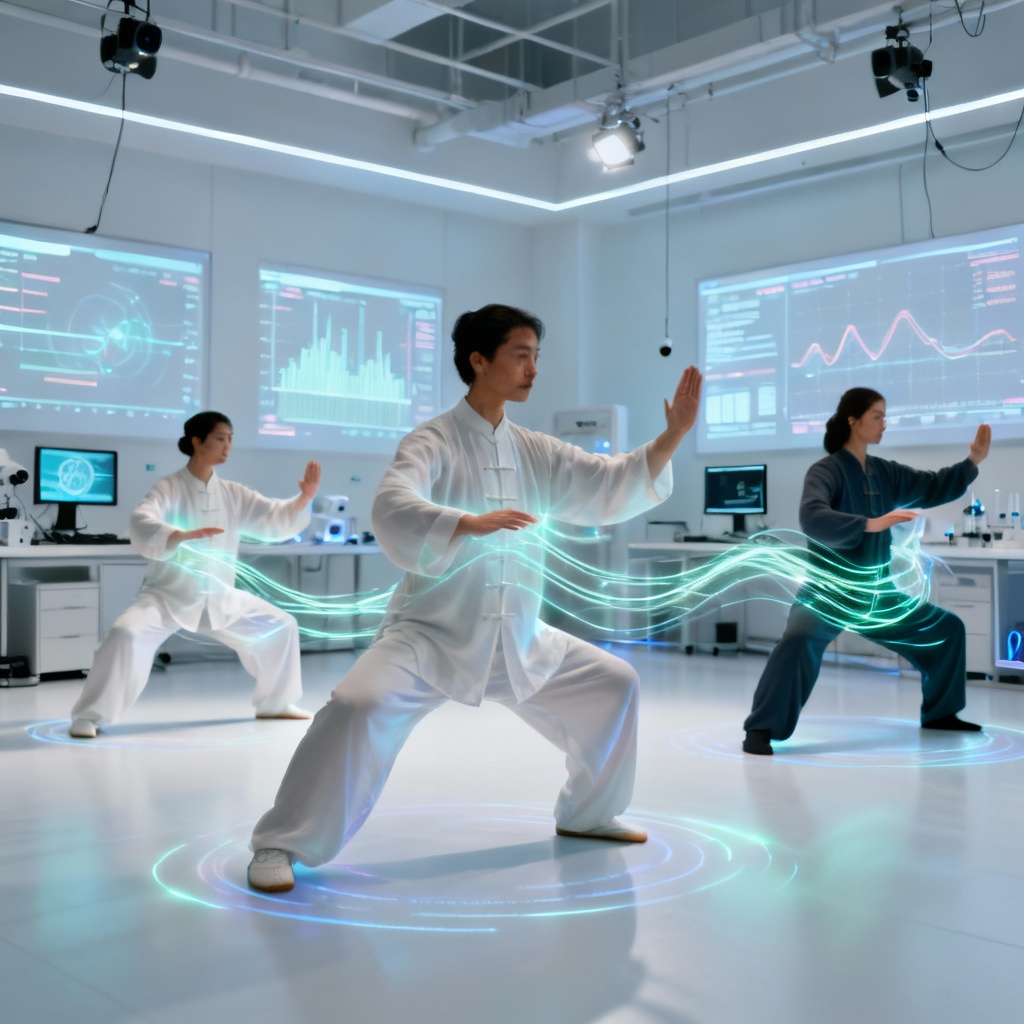
Wearable tech will provide personalized insights into your practice. Heart rate, balance, and movement quality can all be monitored. This data helps refine your technique. It also motivates consistent engagement. You’ll truly understand your body’s responses.
Tailoring Your Journey: Big Data Analytics
Big data will create highly personalized Qigong and Tai Chi programs. Algorithms analyze your progress and suggest optimal exercises. This ensures maximum benefit for your specific goals. It’s like having a personal coach in your pocket. This precision enhances your overall wellness journey.
Safeguarding Tradition and Enriching Community Health
It is crucial to protect traditional theories and philosophies. We must also emphasize public health roles. These include senior care, rehabilitation, and chronic disease management. This approach prevents excessive commercialization. It preserves the profound essence of these practices.
Protecting Core Wisdom: Preserving Traditional Theory
Safeguarding the foundational theories ensures authenticity and depth. This means respecting the origins and philosophical underpinnings. This prevents dilution or misinterpretation. The true spirit of Qigong Tai Chi will endure. It honors centuries of accumulated knowledge.
Serving Our Elders: Community Care and Aging
Qigong and Tai Chi are excellent for community elder care. They improve balance, reduce falls, and enhance mental well-being. These practices offer gentle yet effective exercise options. They foster social connection and reduce isolation. Seniors deserve accessible wellness tools.
Healing and Recovering: Rehabilitation Support
These practices will play a significant role in physical rehabilitation. Their gentle movements aid recovery from injuries and surgeries. They restore mobility and build strength. This offers a complementary path to recovery. It empowers patients in their healing process.
Managing Long-Term Health: Chronic Disease Management
Qigong and Tai Chi help manage various chronic conditions. They can reduce stress, improve sleep, and boost immunity. These practices provide a non-pharmacological approach to health. They empower individuals to take control. This leads to a better quality of life.
Fostering Education and Multidisciplinary Collaboration
Future developments will emphasize educational integration. They will also focus on training multidisciplinary talent. This promotes wider adoption at the grassroots level. It also encourages collaboration with medical institutions. The goal is a sustainable model. This respects tradition while meeting modern societal needs.
Building Future Leaders: Multidisciplinary Talent
Training experts across various fields will propel the arts forward. This includes practitioners, researchers, and educators. This diverse talent pool fosters innovation. They can communicate its value effectively. The Qigong Tai Chi Future requires broad expertise, including *mind-body practice* educators, *ancient Chinese exercises* scholars, *wellness tradition* advocates, *movement meditation* therapists, *holistic health art* practitioners, *energy cultivation* guides, *internal martial arts* instructors, and *harmonious movement* specialists.
Reaching Every Corner: Grassroots Accessibility
Promoting Qigong and Tai Chi at the community level makes it accessible to all. This means free classes, workshops, and local initiatives. It breaks down economic barriers. Everyone deserves the chance to experience these benefits. This builds healthier, more engaged communities.
Bridging Disciplines: Medical Institution Partnerships
Collaborations with hospitals and clinics will validate and integrate these practices. This includes joint research projects and referral programs. Medical professionals can then confidently recommend them. This establishes credibility within mainstream healthcare. It expands therapeutic options for patients.
The Ultimate Vision: Safe, Effective, Accessible Wellness
The overarching goal is to make Qigong and Tai Chi safe, effective, and accessible. These practices will better serve preventative medicine. They will also enhance rehabilitation efforts. Ultimately, they will contribute to universal public health. The Qigong Tai Chi Future promises a healthier, more balanced world. Visit our Healthy Living section for more insights. Explore how these practices fit into a broader TCM Basics framework. Understand the specific details of these movements at Qi Gong and Tai Chi.
References
- (PMID: 32305597): The effectiveness of Tai Chi and Qigong for improving health outcomes: a systematic review and meta-analysis.
- (PMID: 34168430): Effectiveness of online Tai Chi interventions on health outcomes: a systematic review.
- (PMID: 27705132): Tai Chi and Qigong for the management of chronic conditions: a systematic review and meta-analysis.
Quick Wellness Check: Your Body’s Energy Flow
Wondering if you’re tapping into the full potential of Qigong Tai Chi? A quick self-check can reveal a lot!
* If you feel mentally foggy or unusually tired, then immediately try this 30-second “clearing the head” exercise: Gently tap your fingertips around your hairline, from your temples to the back of your head, taking three deep breaths. This stimulates energy flow and awakens your mind.
* If you notice stiffness in your neck or shoulders after sitting for too long, then immediately perform this 30-second “shoulder release” stretch: Slowly roll your shoulders forward five times, then backward five times, syncing with your breath. This helps release tension and improves circulation, like a gentle internal massage.
* If you feel overwhelmed or easily stressed, then immediately do this 30-second “calming breath” technique: Place one hand on your chest and the other on your belly. Breathe deeply, focusing on expanding your belly first, then your chest, for five slow, deliberate breaths. This instantly calms your nervous system and re-centers you.
Medical Disclaimer:This article is for educational use only and is not a substitute for professional medical advice.