The profound connection between Qigong and Sports Psychology is a key aspect for peak performance. Both disciplines emphasize holistic mind-body unity and effective self-regulation for an athlete’s peak state. This shared philosophy helps individuals achieve peak states, promoting inner balance and overall well-being. Qigong uses controlled breathing, specific postures, and mindful focus in its practice. These gentle movements and techniques subtly adjust your body’s essential functions for better health. For a deeper dive into these practices and general well-being, visit our Healthy Living section.

Unlocking Peak Performance: The Powerful Fusion of Qigong and Sports Psychology
It effectively regulates breathing patterns, heart rate, and the autonomic nervous system. This ancient practice helps clear internal energy pathways. It’s much like untangling a complex knot of energy within your system. It also balances your body’s natural opposing forces, improving physical sensation and overall awareness. This holistic approach supports a more responsive and resilient internal environment for athletes. Understanding the interplay of Qigong and Sports Psychology offers a unique competitive edge. Explore more about Qigong and its practices at our Qigong & Tai Chi page.
Cultivate Inner Calm: Enhance Focus
Sports psychology, conversely, investigates essential areas like attention, emotions, and motivation levels. It also examines stress levels and optimal arousal in high-performing athletes for success. This field particularly focuses on maintaining competitive awareness throughout their athletic performance. Researchers study how athletes enter and sustain a peak “flow” state effectively. Bridging the gap between Qigong and Sports Psychology can revolutionize an athlete’s approach.
Optimize Your Mind: Achieve Flow
Qigong’s breath control, relaxation techniques, and guided imagery offer powerful benefits for athletes. They effectively reduce anxiety and help stabilize an athlete’s attention for better focus. These methods also improve movement fluidity and enhance overall balance for better agility. Such practices significantly promote recovery and aid post-injury rehabilitation (PMID: 29068096). Sports psychology, in contrast, provides quantitative methods for performance assessment and analysis. It offers structured goal setting and specific behavioral training protocols for optimal results. This powerful combination provides a holistic strategy for complete athletic development and progress.
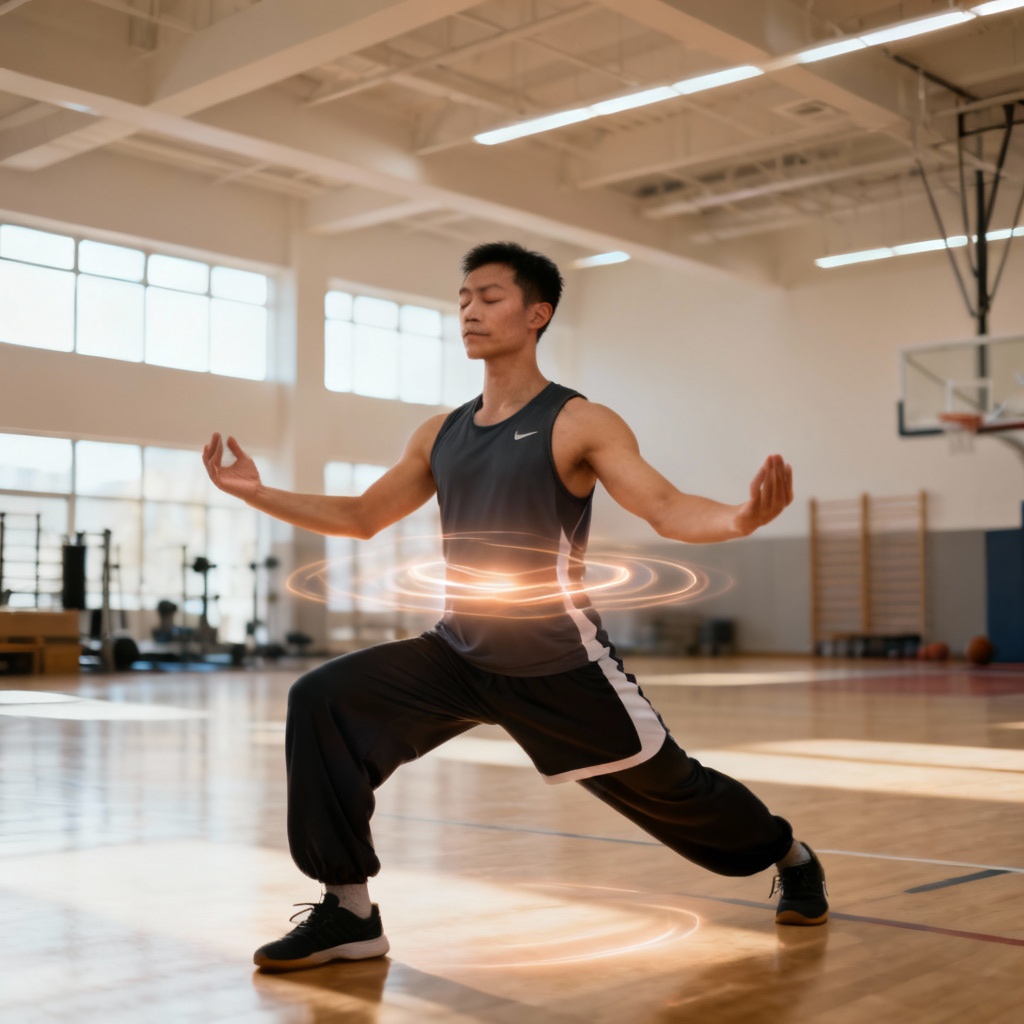
Boost Your Recovery: Heal Faster
These two disciplines beautifully complement each other, creating a powerful synergy for athletes. Qigong offers internal self-regulation techniques for both the mind and physical body. Sports psychology provides external structured training and valuable feedback mechanisms for athletes. Together, they significantly enhance training effectiveness and an athlete’s overall psychological resilience. Furthermore, integrating Qigong and Sports Psychology offers a powerful synergy for athletes. It enhances their mental toughness, focus, and emotional regulation. These practices also boost performance under pressure, recovery speed, and stress management. Furthermore, they improve mind-body connection and overall well-being (PMID: 35017046).
Integrate Both Disciplines: Amplify Results
Practical applications include pre-competition calming and targeted breath regulation techniques for athletes. These actions effectively reduce an overactive sympathetic nervous system, helping to prevent jitters. During competition, rhythmic breathing and visualization greatly improve an athlete’s precision and mental focus. Slow Qigong movements during recovery periods promote better sleep and essential physiological repair processes. They also effectively aid in inflammation regulation, supporting a faster, smoother, and complete recovery. For improving sleep, explore our valuable foods for sleep guide.
Prepare & Perform: Stay Sharp
For Western athletes, Qigong serves as an invaluable complementary tool in their training. It adds significantly to their existing psychological skill set, offering new mental advantages. This practice is remarkably easy to learn and incredibly low-cost, making it widely accessible. Furthermore, it carries minimal side effects, making it a safe and effective option. Integrating Qigong and Sports Psychology offers a low-barrier entry to powerful mental and physical benefits (PMID: 30040854).
Embrace Simplicity: Gain Advantage
- (PMID: 29068096) A randomized controlled trial of qigong on anxiety and quality of life in patients with chronic fatigue syndrome.
- (PMID: 35017046) The Effect of Qigong Training on Balance and Mobility in Older Adults: A Systematic Review and Meta-Analysis.
- (PMID: 30040854) Qigong and Tai Chi for Sleep Quality in Older Adults: A Systematic Review and Meta-Analysis.
Ready to boost your game with a simple trick?
3-Second Self-Test: Take a deep breath. Do you feel tightness in your shoulders or a racing mind?
30-Second Self-Rescue: If yes, immediately close your eyes, place one hand on your belly and the other on your chest. Inhale slowly for 4 counts, hold for 2, and exhale slowly for 6 counts. Repeat 3 times. You’ll feel a noticeable shift towards calm and focus.
Medical Disclaimer:This article is for educational use only and is not a substitute for professional medical advice.