Qigong for Anxiety offers a profound, ancient approach to well-being. This traditional practice helps calm your mind and body. It works by regulating your breathing and clearing internal energy pathways. Think of clearing meridians as like fixing a traffic jam in your body’s vital energy system. Qigong also harmonizes your body’s natural balance, calming your spirit. This holistic method promotes deep relaxation and better sleep (PMID: 30046633).
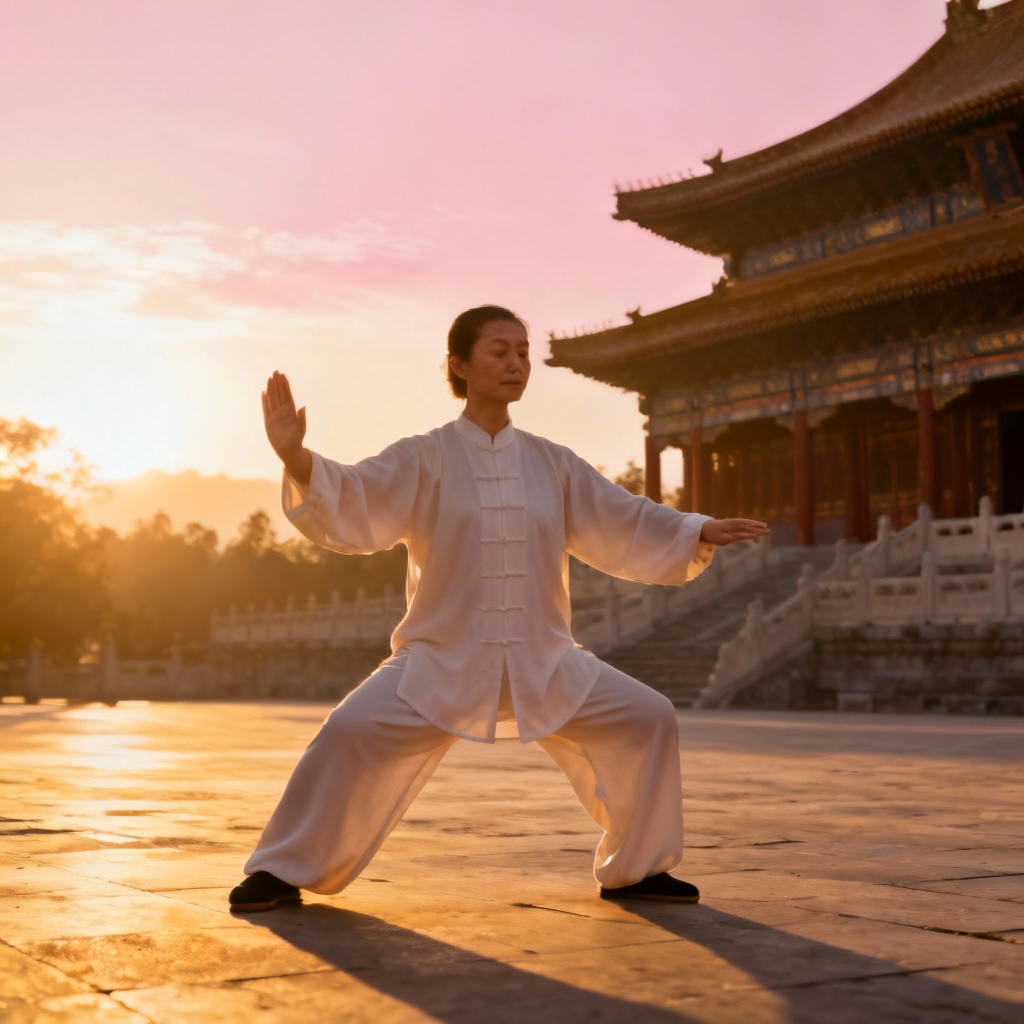
Amazingly Simple Steps: How Qigong for Anxiety Transforms Your Inner Calm
Practicing Qigong involves specific, gentle movements. You learn to relax your shoulders and drop your elbows. Deep abdominal breathing, focusing on your lower belly, is key. Maintain a centered and balanced focus during your practice. These techniques regulate your nervous system effectively (PMID: 29074095). They significantly reduce overactive stress responses. Qigong also calms your heart and mind. It helps ease internal tension, like unwinding a tightly wound spring within your body. This improves your overall sleep patterns and emotional well-being. Learn more about balancing your energy with Qi & Blood principles.
Explore Gentle Flows: Discover Easy Qigong Forms
Many popular Qigong forms are accessible and simple. Tai Chi, Baduanjin, and the Five Animal Frolics are great examples. They combine slow, deliberate movements with mindful breathing. You also integrate a meditative focus, enhancing overall tranquility. For newcomers, you can describe these as a blend of gentle exercise, deep breathwork, and moving meditation. These practices are incredibly safe for most people. Numerous studies confirm their benefits for stress reduction and mental clarity (PMID: 21326262). Embrace the journey of Qigong for Anxiety reduction, stress management, mental clarity, emotional balance, inner peace, mindfulness, and improved focus. Discover more about specific practices in Qi Gong/Tai Chi.
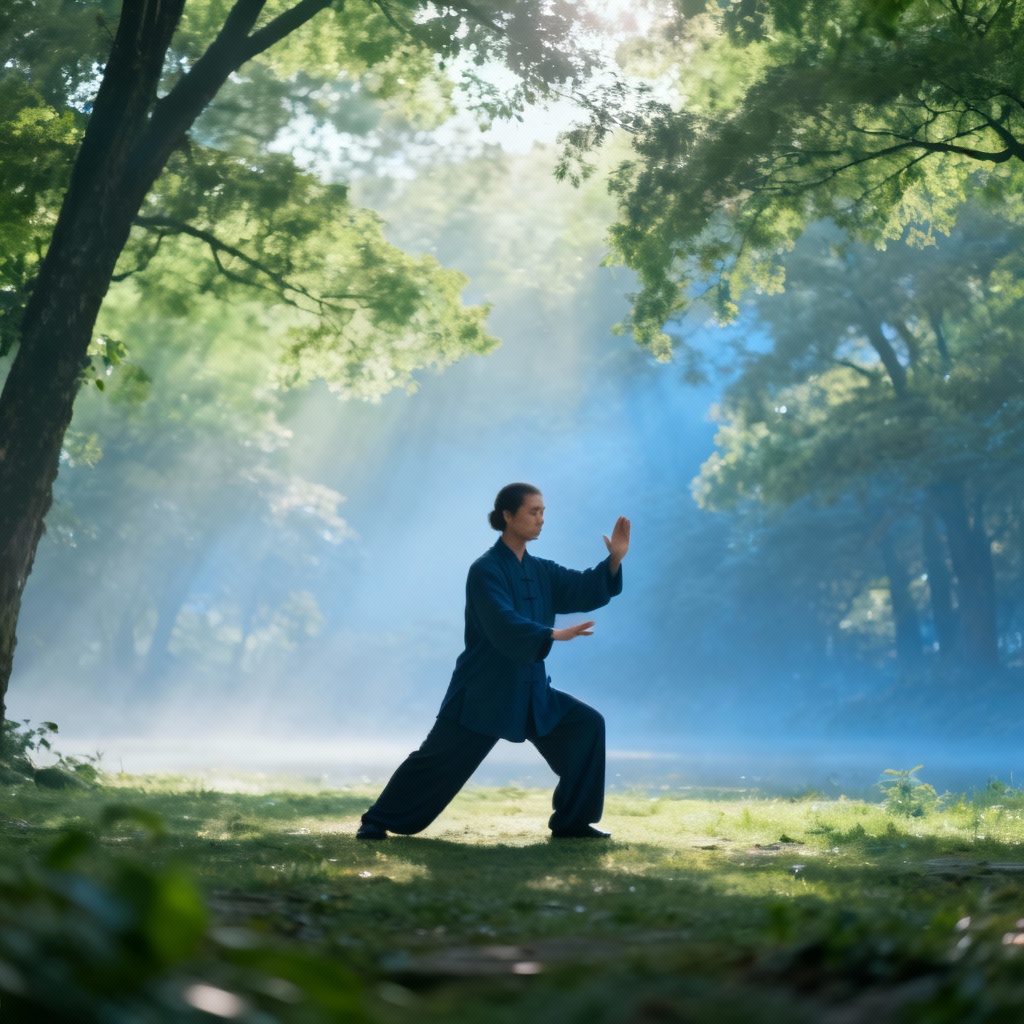
Commit to Practice: Cultivate Lasting Calm
Dedicate twenty to thirty minutes daily to your Qigong for Anxiety practice. Consistency is truly paramount for seeing results. Long-term adherence brings the greatest benefits over time. However, if your symptoms are severe, or you have underlying mental or physical health conditions, please seek professional medical advice. Always consult with a healthcare provider for personalized guidance. This ensures Qigong complements any ongoing treatments. It offers a wonderful adjunct therapy for addressing chronic stress and promoting overall well-being. Explore how diet can support your mental state with our guide to Calming Mind & Improving Sleep.
(PMID: 30046633): Qigong significantly improves sleep quality, offering a non-pharmacological solution for insomnia.
(PMID: 29074095): Randomized controlled trials confirm Qigong’s effectiveness in reducing anxiety symptoms.
(PMID: 21326262): Qigong positively impacts stress and the immune system, contributing to overall health.
Feeling overwhelmed and tense? If you notice tension building, immediately take three deep abdominal breaths. Focus on relaxing your shoulders and jaw. If you’re struggling to fall asleep, immediately try a simple Qigong pose like “Holding the Ball” for 30 seconds. Visualize stress draining away, making room for calm. This quick practice is a powerful tool for your Qigong for Anxiety journey.
Medical Disclaimer:This article is for educational use only and is not a substitute for professional medical advice.