Looking for a natural path to neck relief and improved well-being? Qigong for cervical spondylosis offers a powerful complementary approach. This ancient practice combines mindful breathing with gentle, flowing movements and focused intention. It works to regulate your body’s vital energy, or Qi, and smooth blood circulation. This method helps clear blockages in your energy pathways, known as meridians. Ultimately, it strengthens crucial neck and shoulder muscles, promoting recovery.
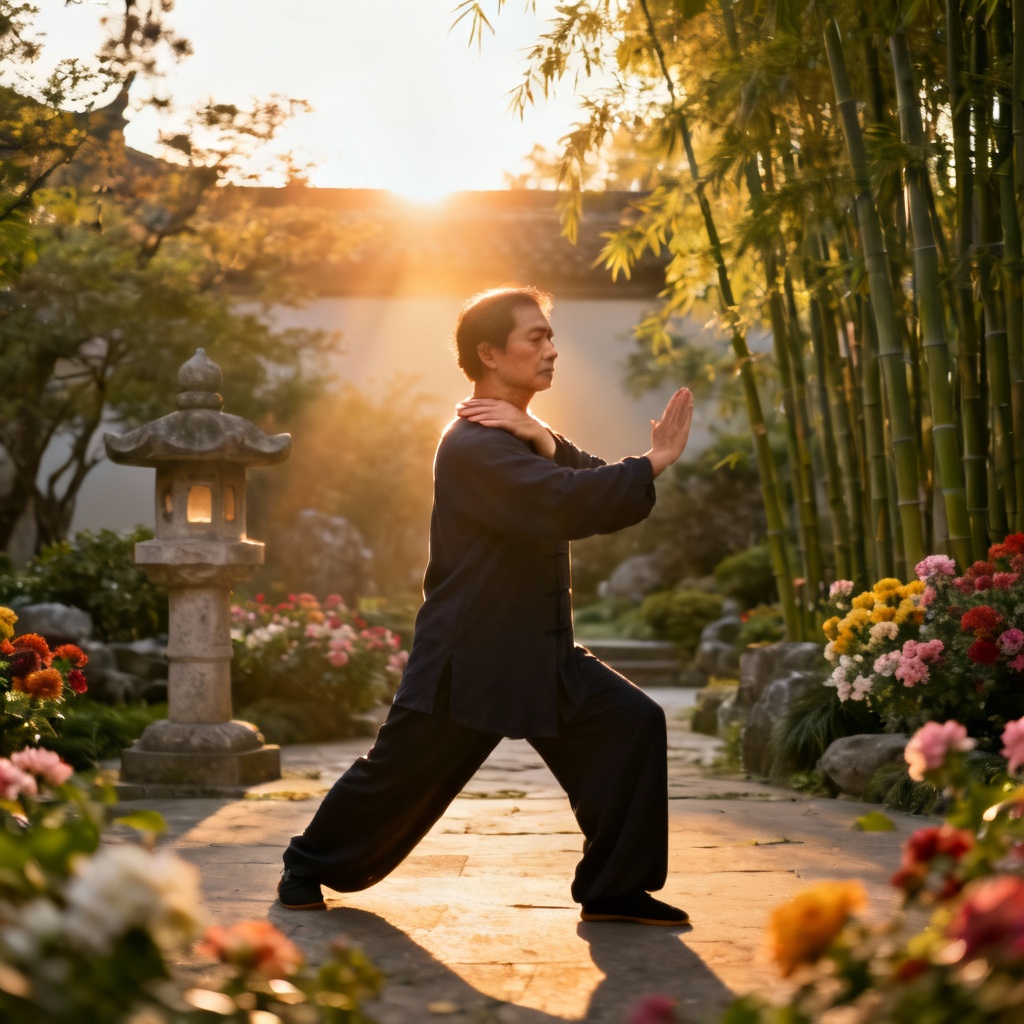
Experience Miraculous Relief: Qigong for Cervical Spondylosis
Unblock Your Flow: Relieve Neck Stiffness
It’s a fantastic supplement to modern rehabilitation treatments, offering profound relief. This practice helps effectively ease chronic neck and shoulder pain. Qigong also significantly reduces uncomfortable muscle spasms and boosts your neck mobility. Furthermore, it improves microscopic blood circulation in the affected tissues. This gentle practice can correct poor neck and shoulder posture over time. It promotes lasting functional recovery and helps prevent future flare-ups. Explore more ways to enhance your well-being through Healthy Living.
Amazingly Transform Your Neck: Reclaim Your Freedom
Boost Your Mobility: Move with Ease
Traditional Chinese Medicine (TCM) offers a unique perspective on this condition. It believes balancing your vital energy, or Qi, and blood is crucial for health. When your Qi gets stuck, like a traffic jam in your body, it causes discomfort. This concept, known as ‘Qi Stagnation,’ manifests as stiffness and pain. By opening up those energy channels and meridians, we can clear the blockages. This approach helps eliminate what TCM calls ‘Bi-syndrome,’ or painful obstruction. Learn more about the dynamics of Qi & Blood. Modern research backs up Qigong’s value in several ways. Studies show it can significantly improve muscle endurance and strength. It also helps lower systemic inflammation markers, reducing discomfort. Moreover, Qigong is known to effectively reduce feelings of stress and anxiety. (PMID: 30459820)
Holistically Uncover Wellness: Heal from Within
Balance Your Energy: Find Inner Peace
Common Qigong routines include well-known forms like Baduanjin. Many also find relief with the flowing movements of Tai Chi. There are also specific Qigong for cervical spondylosis exercises designed just for the neck. You should aim to practice daily for 10 to 30 minutes. It is important to adjust the intensity based on your current condition. Always listen to your body and avoid pushing too hard. Dive deeper into these practices at Qi Gong & Tai Chi. (PMID: 26649852)
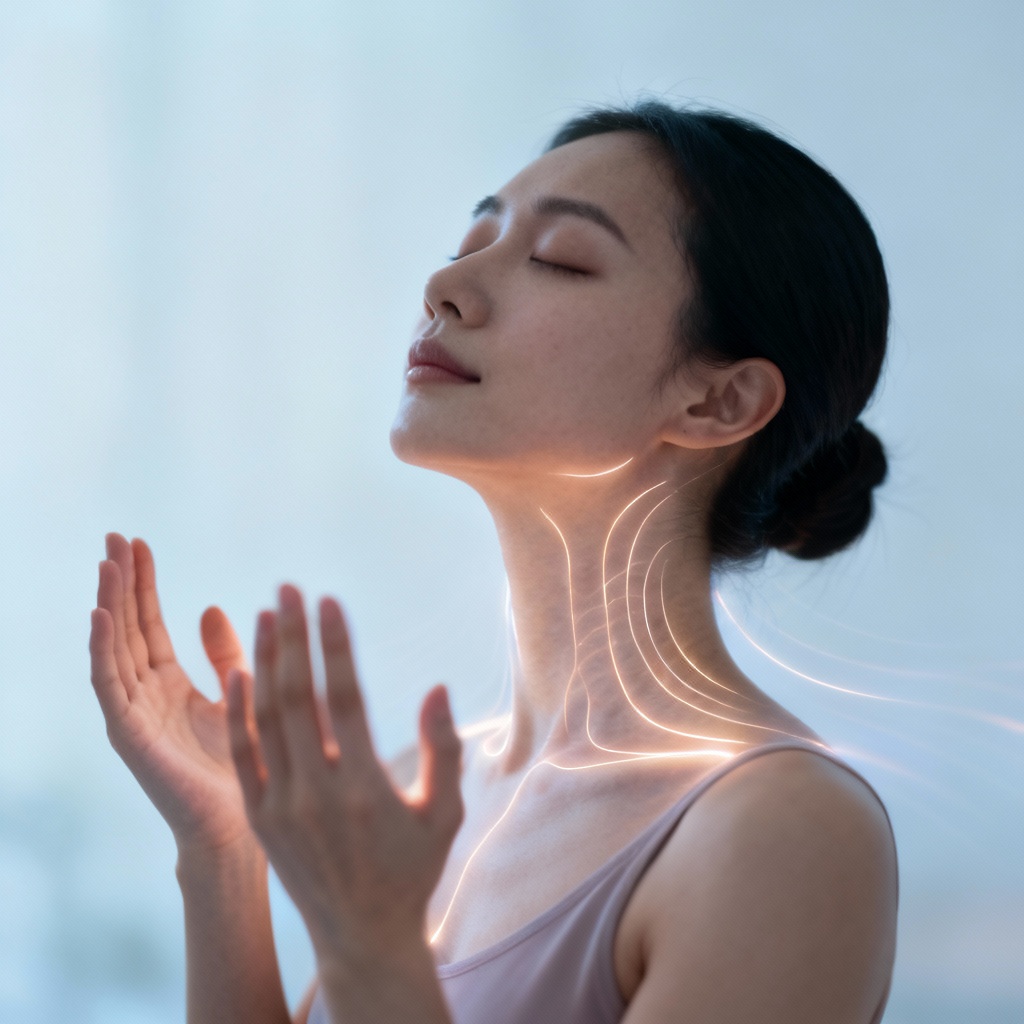
Effortlessly Integrate Practice: Your Daily Ritual
Start Moving: Embrace Daily Practice
Implementation should always be gradual and carefully managed. Seek guidance from an experienced Qigong practitioner or therapist. Combine Qigong with other comprehensive rehabilitation options. These might include physical therapy, medications, or traction treatments. Remember, Qigong for cervical spondylosis is a powerful tool in your integrative medicine approach. It complements therapeutic exercises for neck health and overall spinal wellness. This practice significantly aids in pain management and physical rehabilitation. It offers a holistic healing path as part of your complementary therapies. It absolutely cannot replace necessary medical examinations or acute phase treatment. Always consult your doctor for a proper diagnosis. (PMID: 29881137)
Wisely Navigate Recovery: Partner with Experts
Integrate Wisely: Seek Expert Guidance
Embrace the calming power of Qigong to transform your neck health. It’s an accessible way to enhance your well-being. Start your journey to a more comfortable, flexible neck today. Qigong for cervical spondylosis offers a gentle yet effective path to lasting relief.
Live Pain-Free: Discover Lasting Relief
References:
(Qigong significantly reduces stress and anxiety, enhancing overall well-being) PMID: 30459820
(Tai Chi benefits chronic neck pain and improves functional outcomes) PMID: 26649852
(Qigong and Tai Chi as complementary therapies for chronic pain management) PMID: 29881137
Quick Relief: Your 30-Second Self-Rescue!
3-Second Self-Test:
- If your neck feels stiff when you turn your head side-to-side…
- If you experience persistent aching or discomfort in your upper shoulders and base of your skull…
30-Second Self-Rescue:
- If your neck feels tight: Immediately sit up straight, gently tilt your head to one side, bringing your ear towards your shoulder. Hold for 15 seconds, then repeat on the other side.
- If you feel persistent discomfort: Immediately take three deep, slow breaths, focusing on expanding your belly. As you exhale, imagine tension flowing out of your neck and shoulders.
Medical Disclaimer:This article is for educational use only and is not a substitute for professional medical advice.