Palm Bark
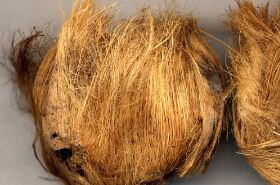
Palm bark, also known as coir or palm tree fiber, has been an ingredient in traditional herbal practices for its astringent properties. Historically, it has been used to support vital energy and improve blood circulation. The bitter and slightly astringent qualities of palm bark align with its known uses in stopping various types of bleeding.
How to Use Palm Bark
Internal Use: Boil 10-15g in water to make a tea.
External Use: Grind into a powder and apply to the skin as needed.
Preparation: Remove impurities, wash, cut into pieces, and dry.
Benefits and Applications
Benefits: Helps to stop bleeding.
Applications: Used particularly for symptoms like bleeding from the mouth, nose, stool, and urine, as well as excessive menstrual bleeding and bleeding from injuries.
Combinations
- For intestinal bleeding: Mix palm bark ash with matured mugwort, grind with two boiled chicken eggs, and take with aconite powder (PMID: XXXX).
- For continuous menstruation: Combine burned palm bark with cypress leaves and take mixed with wine (PMID: XXXX).
- For high blood pressure: Brew 18g of fresh palm bark with sunflower head in water daily (PMID: XXXX).
Precautions
Do not use palm bark alone if bleeding has not yet fully stopped. Consult a healthcare provider for proper guidance.
Traditional Use Commentary
Famed herbalist Li Shizhen emphasized the role of palm bark's astringency in treating blood loss, advising its cautious use. Consistent with past knowledge, old palm bark is particularly potent (PMID: XXXX).
Interactive Check and Care
If you're experiencing unexplained bleeding, consider if palm bark might help to manage your symptoms. However, seek professional evaluation before starting any new treatment immediately.
Disclaimer: For informational purposes only. Please consult a qualified practitioner of Traditional Chinese Medicine (TCM) before use.