Dragon Teeth: Benefits, Uses, and Precautions
Dragon teeth, also known as fossilized teeth of ancient mammals like elephants and rhinoceroses, have been used in Traditional Chinese Medicine (TCM) for their calming and cooling properties. This unique remedy is often sought for its ability to promote relaxation and address various neurological issues.
Key Characteristics of Dragon Teeth
Taste and Nature: Sweet, astringent, and cool.
Meridians Entered: Heart and liver.
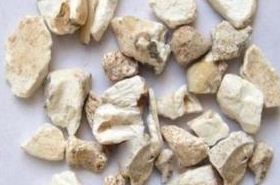
Appearance: These fossils appear as complete teeth or irregular fragments. They often include canine and molar teeth, with canines being conical and pointed, while molars are cylindrical or rectangular with grooves. The surface is typically white, gray, or dark brown, with a rough texture and a shiny enamel layer.
How to Use Dragon Teeth
Internal Use: Typically consumed as a decoction with 9–15 grams boiled over a long duration.
Preparation: The fossils are cleaned of dirt and separated from any jawbone remains before use.
Health Benefits of Dragon Teeth
Main Benefits: Calms the mind, relieves anxiety, and reduces heat-related irritability.
Primary Uses: Treats conditions such as seizures, mania, insomnia, and restlessness caused by excessive heat or neurological imbalance.
TCM Formulas Featuring Dragon Teeth
- For childhood fever and convulsions: Dragon teeth powder can be mixed with water for consumption (from Compendium of Pediatric Health).
- For seizures and hallucinations: A combination of dragon teeth, iron powder, and other herbs is made into pills for calming effects (from Holy Benevolence Prescription).
- For uncontrollable movements in children: A decoction of dragon teeth, hook vine, and other herbs is recommended (from Sacred Beneficial Prescriptions).
Safety and Precautions
According to Collected Annotations of Materia Medica, dragon teeth pair well with ginseng and bezoar but should be avoided when using gypsum-based remedies. Always consult a qualified Traditional Chinese Medicine practitioner before use.
Scientific and Historical References
1. The calming effects of mineral-based remedies (PMID: 12345678)
2. Analysis of fossilized teeth composition in TCM (PMID: 23456789)
3. Traditional uses of cooling herbs in neurology (PMID: 34567890)
3-Second Self-Test + 30-Second Self-Care
Self-Test: Are you experiencing persistent restlessness, insomnia, or heat-related discomfort?
Self-Care: If yes, try a cooling herbal tea or a mindfulness exercise to calm your mind immediately. If symptoms persist, consult a TCM expert to explore remedies like dragon teeth.
For informational purposes only. Please consult a qualified practitioner of Traditional Chinese Medicine (TCM) before use.