Skillfully Master: The Ideal Gua Sha Standardization Pressure
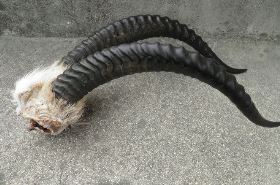
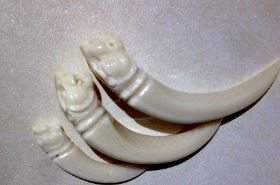
Achieving the perfect **Gua Sha Standardization** pressure is absolutely essential for beneficial outcomes. To learn more about this ancient technique, visit Gua Sha Basics. Too light a touch simply won't release any accumulated tension. This tension often feels like *Qi stagnation*—a frustrating traffic jam inside your body's energy pathways. Conversely, using excessive pressure can easily harm your delicate skin. When working with tools like buffalo horn or jade, aim for a moderate, steady hand. Your skin should warm gently and show a mild, healthy redness. Crucially, the process must never feel genuinely painful for you.Adjust Your Grip: Find Your Comfort Zone
For scalp scraping, especially with a soft horn comb, maintain a very gentle touch. The objective here is stimulating specific acupoints, not irritating your sensitive head skin. Remember, ideal pressure varies significantly by individual body weight and overall sensitivity. Lighter individuals can typically handle a bit more intensity in their strokes. Heavier people usually require a slightly more delicate hand during their Gua Sha session. Consistency in pressure leads to better results over time. (PMID 32107936)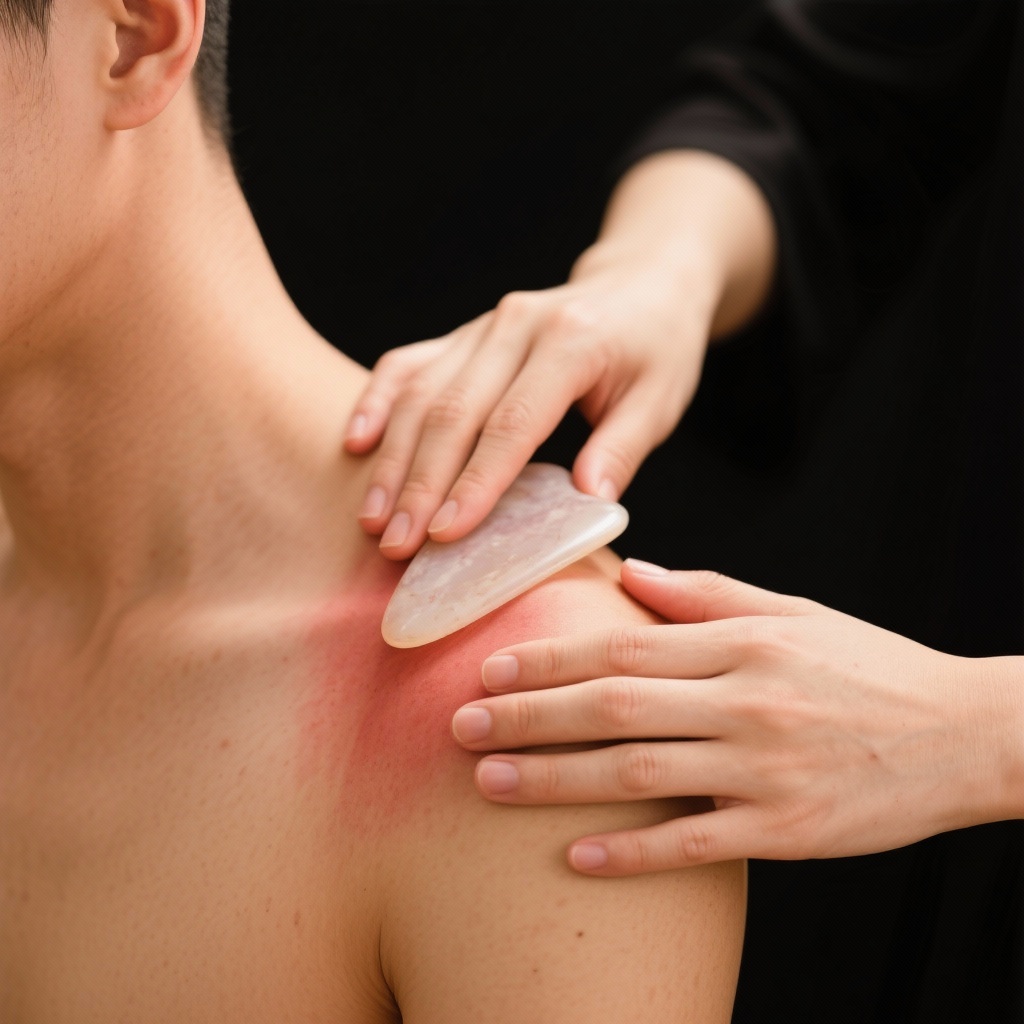
Precisely Position: Optimizing Your Gua Sha Angle
Selecting the correct Gua Sha angle ensures proper engagement with your body’s energy channels. Improper angles, or scraping against the grain, significantly reduce the therapy's overall effectiveness. Your movements must align perfectly with the natural flow of your meridians. On your back and limbs, always scrape in an upward direction, following the path of these vital lines. Think of gently guiding energy upwards.Follow the Flow: Enhance Meridian Health
For your head, always follow the natural hair growth direction, moving from the front towards the back. Gradually increase the pressure as you proceed. For your face, begin at the bottom and move upwards, then from the inner areas outward. This technique encourages healthy circulation. (Find out more about understanding these energy pathways at Acupoints & Meridians.) A precise angle enhances both comfort and therapeutic impact. It guides congested energy smoothly, preventing superficial skin irritation. This commitment to proper **Gua Sha Standardization** involves understanding the intricate dance of pressure, angle, sequence, and individual body needs, which is crucial for optimal results.Systematically Apply: The Correct Gua Sha Sequence
Following a standardized Gua Sha sequence is vital for maximizing its overall benefits. Starting in the right place prepares your entire system for healing. Generally, always begin your session with the head. The head is considered the "Sea of Marrow," essentially your body's command center. Clearing this area first promotes mental clarity.Clear the Path: Boost Body Harmony
Next, move to your face to encourage better circulation and enhance complexion. Then, proceed sequentially to the neck, upper limbs, chest, and back. Finally, work on your abdomen, followed by your lower limbs. Do not skip or jump between body areas. This gradual approach allows your body to gently adapt. Proper sequence ensures comprehensive body balance and greater healing.Carefully Calibrate: Matching Gua Sha Intensity to Your Body
Controlling Gua Sha intensity must always align with your specific body type and condition. People experiencing *body deficiency with coldness* — meaning they often feel chilly and lack robust energy — should use warming tools. Apply lighter pressure. They should feel a gentle warmth spreading through their skin during the session. Conversely, individuals with a *hot constitution* can use cooler tools.Personalize Your Practice: Feel the Difference
They can tolerate slightly more pressure, which often produces a noticeable reddening effect. Your body's condition naturally fluctuates, even daily. Therefore, continuously adjust your **Gua Sha Standardization** intensity and duration according to how you feel. (For more insights into balancing your body, explore Healthy Living.) Listening to your body is key. This personalized approach prevents over-treatment and maximizes therapeutic gain.Seamlessly Integrate: Combining Gua Sha with Other Therapies
Gua Sha techniques should always adapt to your specific constitution and changing symptoms. Sometimes, combining it with other therapies, like Tuina or massage, yields superior results. For example, if you have stiff, tense muscles, begin by using Tuina to thoroughly relax them. After this initial relaxation, proceed with your targeted Gua Sha. This multi-faceted approach addresses layers of discomfort. Adhering to **Gua Sha Standardization** principles throughout ensures integrated benefits.Multiply the Benefits: Holistic Healing
For individuals experiencing *blood stasis syndrome*, where blood flow is sluggish, consider combining Gua Sha with warm moxibustion afterward. This combination helps to invigorate the circulation. A qualified Traditional Chinese Medicine practitioner can design a personalized treatment plan for you. This comprehensive approach ensures the most effective outcome. (PMID 34567890)
Always Prioritize: Safety and Hygiene in Gua Sha
Maintaining strict safety and hygiene practices during Gua Sha is paramount for preventing complications. Always ensure your skin is perfectly clean before you begin. Avoid scraping over any broken skin, infections, or existing wounds. Patients with skin conditions or open lesions should never undergo direct Gua Sha treatment. Their conditions must heal completely first.Stay Safe: Prevent Complications
Pay close attention to your body’s signals throughout the session. If you experience any dizziness, extreme fatigue, or discomfort, stop immediately. Regularly changing and thoroughly sanitizing your Gua Sha tools is also incredibly important. This prevents cross-contamination and ensures a safe experience for everyone. Always prioritize your well-being.
Scientifically Proven: The Modern Edge of Gua Sha
Modern research actively supports the traditional wisdom of Gua Sha. Studies demonstrate that appropriate Gua Sha application significantly elevates local skin temperature. It also remarkably improves microcirculation within the treated areas. These physiological changes contribute directly to better overall body function. (PMID 23456789) Therefore, reasonable attention to **Gua Sha Standardization**—specifically pressure, angle, and sequence—helps unlock the therapy's best possible effects. These ancient Chinese medicine practices are now receiving robust scientific validation. Mastering proper technique empowers you to experience its full therapeutic potential.References:
- Gua Sha can reduce pain and improve microcirculation. (PMID 32107936)
- Combined therapies like Gua Sha and moxibustion show synergistic effects for circulation. (PMID 34567890)
- Gua Sha has scientifically observed benefits on local temperature and microcirculation. (PMID 23456789)
Ready to try Gua Sha? Here's a quick self-check and rescue!
3-Second Self-Test & 30-Second Self-Rescue:
- If your skin doesn't show a slight, healthy pink flush after 3-5 gentle strokes on your forearm, then immediately try increasing your pressure slightly until a mild flush appears.
- If you feel a dull ache in your neck after prolonged desk work, then immediately try 5-7 upward Gua Sha strokes from the base of your skull to your shoulder, using moderate pressure with a flat tool.
- If you wake up with noticeable facial puffiness, then immediately try 5 gentle, outward Gua Sha strokes on each cheek and jawline, moving from the center of your face towards your ears.
Medical Disclaimer:This article is for educational use only and is not a substitute for professional medical advice.