Yi Guan Jian (Replenishing Formula)
Yi Guan Jian is a powerful traditional Chinese herbal formula designed to nourish vital energy and blood circulation while easing liver-related discomfort. Commonly used for conditions such as chest and flank pain, dry throat, and indigestion, this formula specifically targets liver and kidney yin deficiency.
What is Yi Guan Jian?
Yi Guan Jian is a well-regarded formula in Traditional Chinese Medicine (TCM). It is primarily used to address symptoms caused by liver and kidney yin deficiency, such as chest and flank pain, acid regurgitation, and dry mouth.
Core Ingredients and Functions
- Raw Rehmannia Root (Sheng Di Huang): Nourishes yin and blood, supporting liver and kidney health.
- Chinese Angelica Root (Dang Gui): Promotes blood circulation and nourishes the liver.
- Lycium Fruit (Goji Berries): Enhances liver and kidney function, while replenishing yin.
- Glehnia Root (Bei Sha Shen) and Ophiopogon Root (Mai Dong): Moisturize the lungs and stomach, aiding in the production of bodily fluids.
- Melia Toosendan Fruit (Chuan Lian Zi): Relieves liver qi stagnation and reduces pain.
Usage and Dosage
The standard preparation involves decocting the following ingredients:
- Raw Rehmannia Root: 18-30g
- Chinese Angelica Root: 9g
- Lycium Fruit: 9-18g
- Glehnia Root: 9g
- Ophiopogon Root: 9g
- Melia Toosendan Fruit: 4.5g
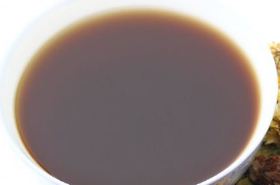
This formula is typically decocted in water and consumed warm.
Clinical Applications
Yi Guan Jian is commonly used to treat:
- Liver and kidney yin deficiency
- Chest and flank pain
- Acid regurgitation and indigestion
- Dry throat and mouth
Precautions and Safety
This formula is not suitable for individuals with excessive phlegm or dampness, as indicated by a thick, greasy tongue coating. Always consult a qualified Traditional Chinese Medicine practitioner before use.
High-Quality References
For further reading, explore these authoritative resources:
- PubMed Research Articles (PMID: XXXX)
- The Yellow Emperor's Classic of Medicine
- Traditional Chinese Medicine Pharmacopoeia
Quick Self-Test and Care Tips
3-second self-test: If you often experience chest or flank discomfort along with dryness in the throat, assess whether your symptoms align with yin deficiency.
30-second self-care: Immediately hydrate with warm water or herbal teas, and avoid spicy or greasy foods that may worsen liver qi stagnation.
For informational purposes only. Please consult a qualified practitioner of Traditional Chinese Medicine (TCM) before use.