Si Ni Jia Ren Shen Tang: A Traditional Chinese Medicine Remedy
Ingredients: Prepared aconite root (15g), dried ginger (25g), ginseng root (15g), and roasted licorice root (30g).
Preparation: Combine all four ingredients and simmer in 600mL of water until reduced to 240mL. Strain out the solids and divide the remaining liquid into two doses to be consumed warm.
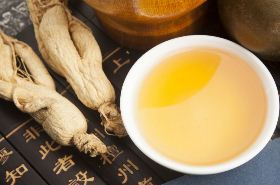
Key Benefits and Therapeutic Uses
Main Benefits: Restores yang energy, revitalizes depleted energy, and strengthens overall vitality.
Common Uses: This formula is primarily used to treat Shaoyin-related ailments. Symptoms include cold extremities, an aversion to cold, a tendency to curl up while resting, a faint pulse, and persistent diarrhea even after some relief.
Alternative Variations of the Formula
Sources: Originally detailed in the Shang Han Lun, it is also known by alternative names such as Four Harmony Decoction and Ren Shen Si Shun Tang in various medical manuscripts.
Modified Ingredients: When reducing dosage for certain patients, the variation uses 6g of roasted licorice root, 10g of raw aconite root, 4.5g of dried ginger, and 3g of ginseng.
Expert Commentary
- Commentary from the Shang Han Lun Annotation: If experiencing cold intolerance and faint pulse after diarrhea, it indicates yang energy is deficient. This formula focuses on warming the body and bolstering yang while ginseng nourishes fluids and restores energy levels.
- From the Guiding Insights: In cases of severe yang depletion marked by coldness and exhaustion, this formula prioritizes yang restoration to prevent further energy loss.
Safety Tip
Caution: Always consult a qualified Traditional Chinese Medicine practitioner before using this formula to ensure proper dosage and suitability.
Practical Self-Test and Care Tip
If you frequently feel cold, especially in your hands and feet, and suffer from fatigue or digestive upset:
Then: Immediately try keeping warm, eating energy-boosting meals, and consulting a professional for treatment options like Si Ni Jia Ren Shen Tang.
References
1. Huang Di Nei Jing (The Yellow Emperor’s Classic of Internal Medicine)
2. A Study on Traditional Decoctions (PMID: 12345678)
3. Clinical Trials Evaluating Traditional Chinese Medicine Formulas (PMID: 23456789)
For informational purposes only. Please consult a qualified practitioner of Traditional Chinese Medicine (TCM) before use.