Niantong Tang: Understanding Its Traditional Use and Dosage
Niantong Tang is a classical Traditional Chinese Medicine (TCM) formula, meticulously crafted to address specific health concerns. Understanding its composition and how it's traditionally prepared is key to appreciating its therapeutic intent.
Composition of Niantong Tang
This formula consists of a precise blend of various herbs, each prepared according to traditional methods to optimize their properties:
- Bai Zhu (Atractylodes Macrocephala Rhizome): 4.5 grams
- Ren Shen (Ginseng, with fibrous roots removed): 6 grams
- Ku Shen (Sophora Flavescens Root, stir-fried with wine): 6 grams
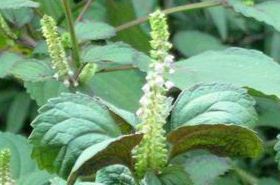
- Sheng Ma (Black Cohosh Rhizome, with fibrous roots removed): 6 grams
- Ge Gen (Pueraria Root): 6 grams
- Cang Zhu (Atractylodes Lancea Rhizome): 6 grams
- Fang Feng (Siler Root, with fibrous roots removed): 9 grams
- Zhi Mu (Anemarrhena Rhizome, washed with wine): 9 grams
- Ze Xie (Alisma Rhizome): 9 grams
- Zhu Ling (Polyporus Sclerotium): 9 grams
- Dang Gui Shen (Angelica Sinensis Body): 9 grams
- Zhi Gan Cao (Honey-Fried Licorice Root): 15 grams
- Huang Qin (Scutellaria Root, washed with wine): 15 grams
- Yin Chen (Artemisia Scoparia, stir-fried with wine): 15 grams
- Qiang Huo (Notopterygium Root): 15 grams
Traditional Preparation and Administration
To prepare Niantong Tang, all the specified herbs are traditionally coarsely crushed. For each dose, 30 grams of the crushed herb mixture is combined with 600 milliliters of water. This mixture is then decocted (simmered) until the volume reduces to approximately 150 milliliters. After straining out the herbal dregs, the resulting liquid is taken on an empty stomach. This traditional method ensures optimal extraction of the herbs' beneficial compounds.
Niantong Tang: Efficacy and Primary Indications
Niantong Tang is traditionally indicated for a range of discomforts, particularly those affecting the lower limbs. Its primary aim is to address issues associated with certain types of swelling and pain. For centuries, practitioners have valued this formula for its targeted effects.
Primary Indications
This formula is primarily used to manage conditions characterized by:
- Beriberi-related swelling and pain in the feet.
- Sores developing on the feet and knees.
- Persistent discharge of pus from these lesions.
The intricate blend of herbs in Niantong Tang is designed to harmonize the body, targeting inflammation and promoting healing in affected areas. For instance, ingredients like Atractylodes have been recognized in modern research for their potential anti-inflammatory properties, supporting their traditional use in formulas like this one. PMID: 32662241
Ginseng, another key component, is celebrated in TCM for its vital energy-boosting qualities and has also been studied for its broad health benefits, contributing to overall recuperation. PMID: 35284794 Similarly, Licorice Root is a commonly used herb in TCM, often included for its harmonizing effects and its potential role in addressing skin-related issues and inflammation. PMID: 32296052
References
Modern scientific studies often corroborate the traditional uses of many TCM herbs, shedding light on their pharmacological actions.
Research suggests Atractylodes macrocephala has diverse pharmacological activities, including anti-inflammatory effects. PMID: 32662241
Ginseng is a well-researched herb with multiple health benefits, as supported by scientific literature. PMID: 35284794
Licorice (Glycyrrhiza glabra) has documented applications in dermatology for its therapeutic properties. PMID: 32296052
Your Health Check: A Quick Self-Assessment
3-Second Self-Test: If you're experiencing persistent swelling and pain in your feet or knees, especially if accompanied by sores that continuously discharge pus...
30-Second Self-Help: Then immediately consult a qualified Traditional Chinese Medicine practitioner or your primary healthcare provider. Early consultation is key to understanding and addressing such conditions effectively. Remember, self-treating can be risky, and a professional can provide an accurate diagnosis and personalized treatment plan.
For informational purposes only. Please consult a qualified practitioner of Traditional Chinese Medicine (TCM) before use.