As our loved ones age, providing comfort and care becomes paramount. Massage, especially Tuina, offers wonderful benefits for seniors and can significantly improve their overall well-being. However, ensuring their safety is absolutely crucial during every single therapeutic session. This guide covers vital Elderly Massage Precautions to protect your older family members or clients. Let’s make every session both therapeutic and secure, avoiding potential risks.
Absolutely Essential Elderly Massage Precautions: Your Guide to Safe Sessions
Before any massage begins, a thorough health check is non-negotiable. Always inquire about their full medical history, including all current medications. Anticoagulants, for example, are especially important to note during your conversation. These specific medicines can significantly increase bruising risks. Additionally, ask about conditions like osteoporosis, which makes bones more fragile. Inquire about diabetic peripheral neuropathy, as nerve damage might alter sensation. Cardiovascular diseases are also key areas of concern. These could include heart conditions or stroke history. Recent surgeries or infections demand immediate attention. These issues could make massage dangerous, requiring careful assessment.
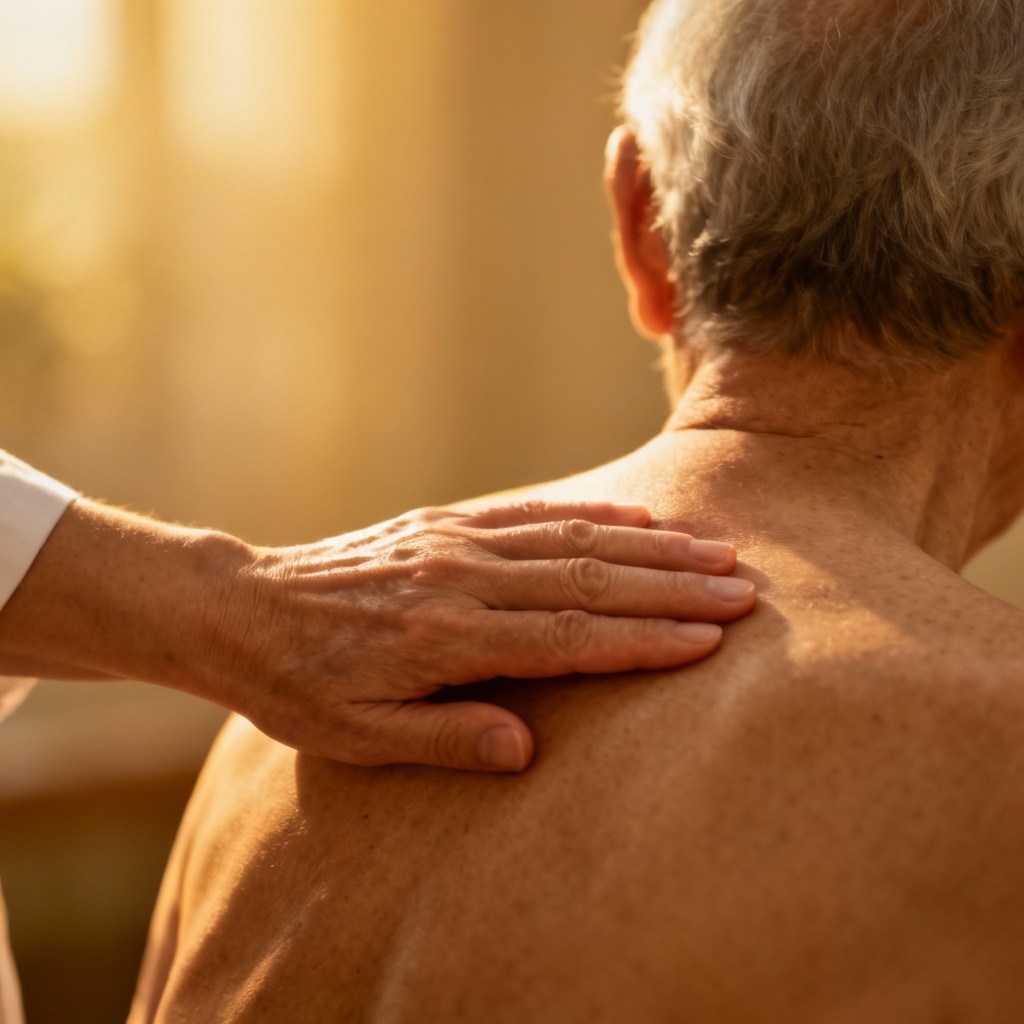
Gather Their Story: Prevent Unwanted Surprises
Understanding a senior’s health journey helps ensure safety. Many specific health conditions directly influence appropriate massage techniques. A quick, honest chat can reveal important details. This proactive step truly safeguards their well-being. Always prioritize thoroughly reviewing their health records. It builds trust and confidence.
Gently Navigate: Masterful Techniques for Delicate Bodies
The entire massage environment itself needs careful consideration. Make sure the room is pleasantly warm and inviting. Gentle, passive movements are always recommended as best practices. Apply pressure that is consistently shallow and slow. Avoid any rapid rotations or sudden twists. Forceful vibrations must also be strictly avoided. Understanding these Elderly Massage Precautions ensures peaceful sessions. Certain body areas are strictly off-limits during massage. Never press the carotid sinus, which is a sensitive neck area. Avoid aortic aneurysm sites entirely. Severe varicose veins are also critical no-go zones. Deep vein thrombosis (DVT) areas must be explicitly avoided. Broken skin and malignant tumor regions are absolute contraindications. For deeper insights into safe practices, check out our guide on Tuina Massage Basics.
Create a Sanctuary: Ensure Comfort and Warmth
A comfortable setting profoundly enhances relaxation. Warmth prevents chilling and reduces muscle tension. Proper positioning supports their delicate body structure. Gentle touch builds trust and promotes healing. It makes the entire experience much better.
Recognize Red Flags: Know When to Hold Back
Certain specific conditions absolutely contraindicate massage. Acute fever is a definite no-go for any session. Any existing bleeding tendencies pose a significant risk. Unstable fractures mean no massage should occur at all. Severe cognitive impairment also makes massage unsuitable. This is because they cannot properly communicate discomfort. For those seeking ways to support general well-being, explore Healthy Living tips.
Identify Risk Factors: Protect Vulnerable Individuals
Safety is truly paramount in elder care. Ignoring crucial contraindications can cause serious harm. A careful assessment actively prevents potential injury. Prioritize their immediate current health status. This essential due diligence is absolutely vital.
Time It Right: Optimal Sessions for Senior Comfort
Keep individual massage sessions appropriately brief. A duration of 10 to 30 minutes is truly ideal. The frequency should generally be limited. One to three times per week is often quite sufficient. Encourage them to drink warm water afterward. This aids circulation and detoxification processes. Avoid massages right after a big meal. Never perform massage when someone is intoxicated. For more on the foundational concepts of body energy and flow, visit Qi & Blood Explained.
Hydrate & Recover: Boost Post-Massage Benefits
Warm water helps cleanse and rehydrate the body. It supports the body’s natural healing processes. Resting after massage maximizes its benefits. This gentle care enhances their overall experience. It genuinely promotes better healing.
Stay Alert: Responding to Unexpected Reactions
Vigilance during and after massage is key. If dizziness occurs, stop immediately and assess the situation. Chest tightness is a very serious warning sign. Any sudden or severe pain means you must stop. Subcutaneous bleeding, or bruising, requires immediate attention. Should any abnormalities appear, stop the session. Seek medical attention without delay. It is wise to consult their primary physician. Always get approval for continued treatment. Understanding the delicate balance of their body’s “Qi,” which is like the life force flowing through a river, helps us prevent blockages or overflows. (PMID: 25419999) Senior massage safety tips, gentle massage for older adults, geriatric bodywork guidelines, safe therapeutic touch for seniors, careful handling in elder massage, essential considerations for aged clients, protecting vulnerable seniors during massage, important advice for massaging the elderly are crucial for all caregivers.
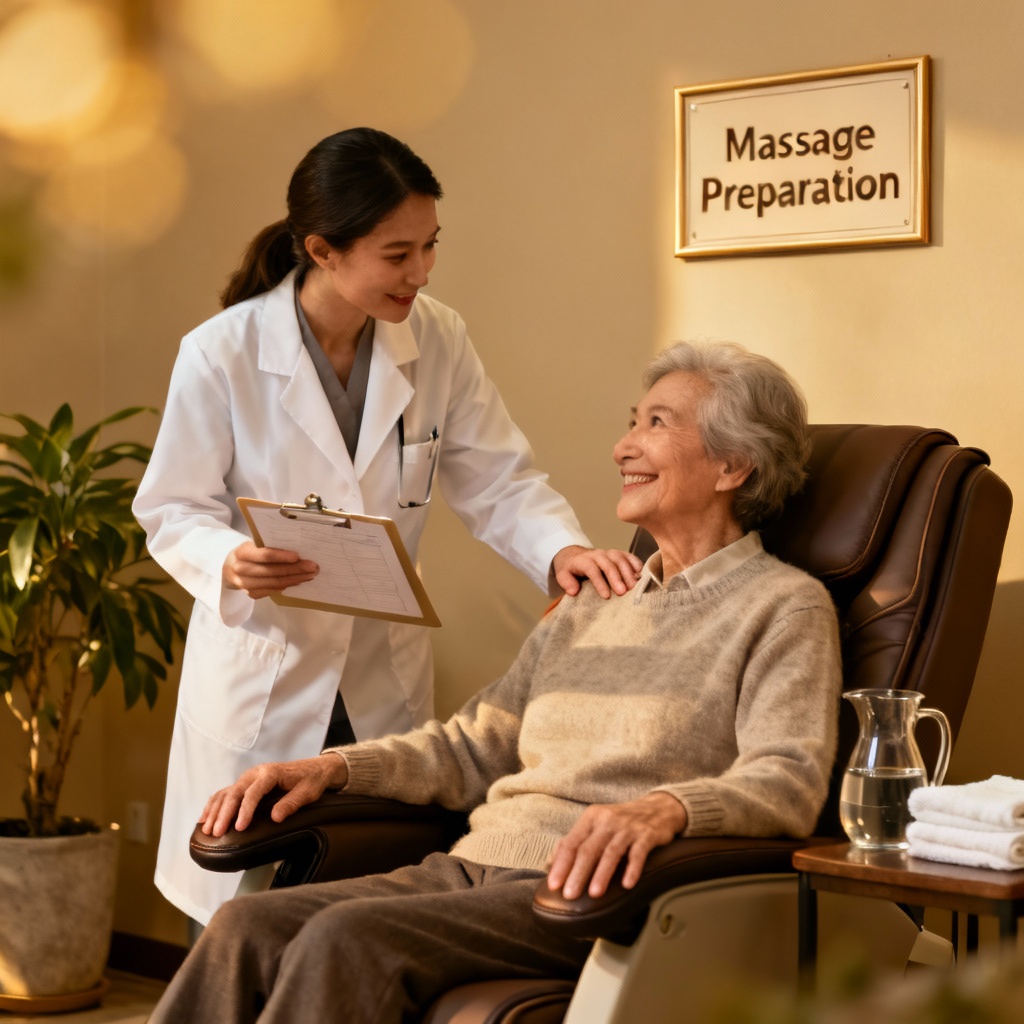
Observe and Act: Prioritize Immediate Safety
Their comfort guides all your actions. Any discomfort signals a critical need to pause. Early intervention actively prevents complications. Your quick response truly makes a difference. Always prioritize obtaining medical advice. These Elderly Massage Precautions are designed to ensure the utmost safety and comfort for your loved ones. (PMID: 29775928)
Following these simple guidelines ensures a safer, more beneficial experience. Always prioritize open communication with seniors and their healthcare providers. (PMID: 24713601) These Elderly Massage Precautions will make a real difference in their overall well-being.
(Conclusion: Gentle touch and careful assessment significantly improve the safety and efficacy of massage for seniors. PMID: 25419999)
(Conclusion: Adhering to specific guidelines tailored for older adults minimizes risks and maximizes therapeutic benefits in massage therapy. PMID: 29775928)
(Conclusion: Comprehensive health screening and ongoing communication are vital to prevent adverse events in geriatric massage. PMID: 24713601)
Quick 3-Second Self-Test & 30-Second Self-Rescue for Safe Elderly Massage:
- If you notice: Any sharp pain, sudden dizziness, unusual bruising, or fever during or immediately after a massage session.
- Immediately: Stop the massage, gently help the person to a comfortable resting position, offer a warm compress for muscle strain or a cold compress for bruising, and contact their doctor for personalized medical advice.
Medical Disclaimer:This article is for educational use only and is not a substitute for professional medical advice.