Feeling a tight squeeze in your lower back? Many people experience this common discomfort. Luckily, cupping for lower back stiffness offers a unique path to relief. This ancient practice, using special cups, creates gentle suction on your skin. It helps your body relax and move more freely.
Unlocking Comfort: How Cupping Lovingly Tackles Your Stiff Lower Back
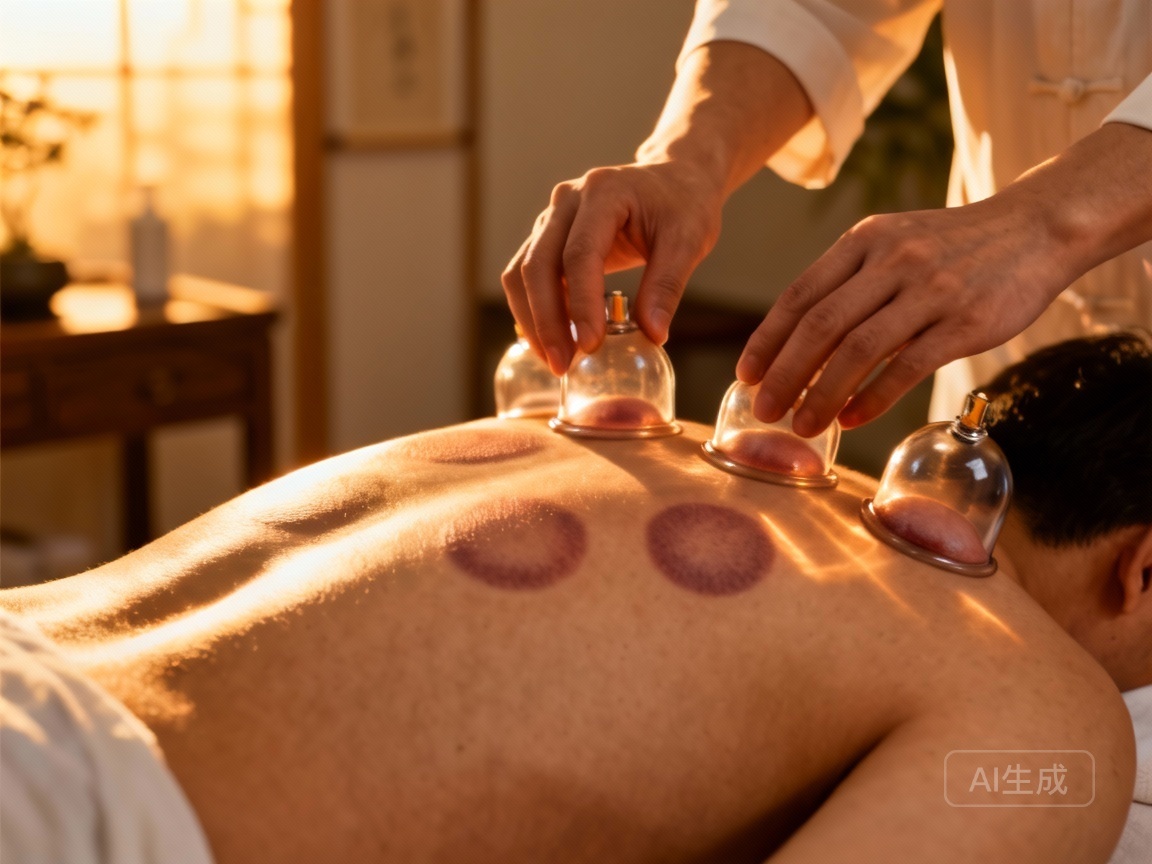
Cupping therapy applies cups to specific areas of your back. This creates a localized vacuum or negative pressure. The suction gently lifts the skin and superficial muscles. This action encourages vital energy and nutrients, known as Qi and Blood, to flow better. Imagine a gentle tide washing away what’s stuck. It's like a traffic jam in your body, and cupping helps clear the way. This process helps remove cold and dampness, and breaks up any blockages. Ultimately, it eases muscle spasms and reduces soreness.
Boost Circulation: Relieve Aches Naturally
The vacuum effect from cupping significantly boosts local circulation. It helps bring fresh blood and lymph to the area. This increased flow flushes out metabolic waste and inflammation. Consequently, you experience a natural reduction in pain. This enhanced circulation also helps nourish tissues.
Target Specific Points: Maximize Your Relief
Practitioners often place cups on key acupoints along your back. These include points on the Governing Vessel (Du Mai) such as Shenshu, Yaoyangguan, and Zhishi. Targeting these specific points, or even areas of acute tenderness, amplifies the therapeutic effect. Sometimes, sliding the cups gently across the skin (called "gliding cupping") is used. This focuses on areas of tightness or pain. To learn more about these powerful points, explore our guide on Acupoints & Meridians.
Melt Away Tension: Find Deep Muscle Relaxation
The pulling sensation of cupping helps to release deep muscle tension. This can dramatically reduce stiffness and improve your range of motion. It’s particularly effective for muscles that feel knotted or rigid. Many report feeling a profound sense of release. You'll likely notice better flexibility and less discomfort.
Understand the Process: Know What to Expect
During a cupping session, you might feel a firm pulling sensation. Some describe it as localized warmth or mild aching. Cups typically remain in place for 5–15 minutes, depending on your body’s response. Temporary circular marks are common after treatment. These "cup marks" are normal and usually fade within a few days. Curious about the technique? Discover more detailed information on Cupping Therapy.
Who Needs This? Surprisingly Effective Relief for Various Conditions
Cupping is incredibly beneficial for many forms of back stiffness. It's especially helpful if your back pain comes from exposure to cold or damp environments. Prolonged sitting or overuse injuries can also cause significant stiffness. Additionally, if you suffer from conditions like muscle strain or minor trauma, cupping can help alleviate back rigidity, ease back discomfort, reduce lumbar stiffness, relieve tight muscles, improve spinal flexibility, soothe sore back, release tension, and enhance mobility. This comprehensive approach to cupping for lower back stiffness truly stands out.
Stay Safe and Informed: Important Cupping Considerations
While generally safe, cupping isn't for everyone. Avoid it if you have broken skin or an acute skin infection. Those with bleeding disorders or severe heart and lung conditions should also avoid this therapy. Pregnant individuals, especially in the first trimester, should consult a healthcare provider. Always discuss your medical history with a qualified practitioner beforehand. (PMID: 32109876)
After your cupping session, it’s crucial to keep the treated area warm. Avoid direct drafts or cold exposure for at least a few hours. This helps to maintain the therapeutic effects. If you experience severe pain or unusual symptoms like numbness or weakness, seek medical attention promptly. Cupping is often a complementary treatment. It works wonderfully alongside massage, acupuncture, or physical therapy for best results. Understanding how Qi and Blood influence your overall health can further enhance your wellness journey; learn more at Qi & Blood. (PMID: 29876543) This integrated approach can provide lasting relief. (PMID: 28765432)
Cupping for lower back stiffness truly offers a powerful, natural way to find comfort. It can significantly improve your quality of life.
References
(PMID: 32109876)
"Effectiveness of Cupping Therapy for Low Back Pain: A Systematic Review and Meta-Analysis."
(PMID: 29876543)
"Traditional Chinese Medicine Theory in Modern Pain Management: The Role of Qi and Blood."
(PMID: 28765432)
"Cupping Therapy for Myofascial Pain: A Narrative Review."
3-Second Self-Test & 30-Second Self-Rescue
If your lower back feels stiff when you first wake up or after sitting for a long time, and improves with gentle movement,
then immediately try some gentle cat-cow stretches for 30 seconds to ease initial stiffness and promote blood flow.
If pressing firmly on your lower back muscles causes a dull ache that feels better with warmth,
then immediately apply a warm compress or heating pad to the area for 15-20 minutes to relax tight muscles and soothe discomfort.
Medical Disclaimer:This article is for educational use only and is not a substitute for professional medical advice.