Discovering Relief: How Cupping Lovingly Eases Your Knee Pain
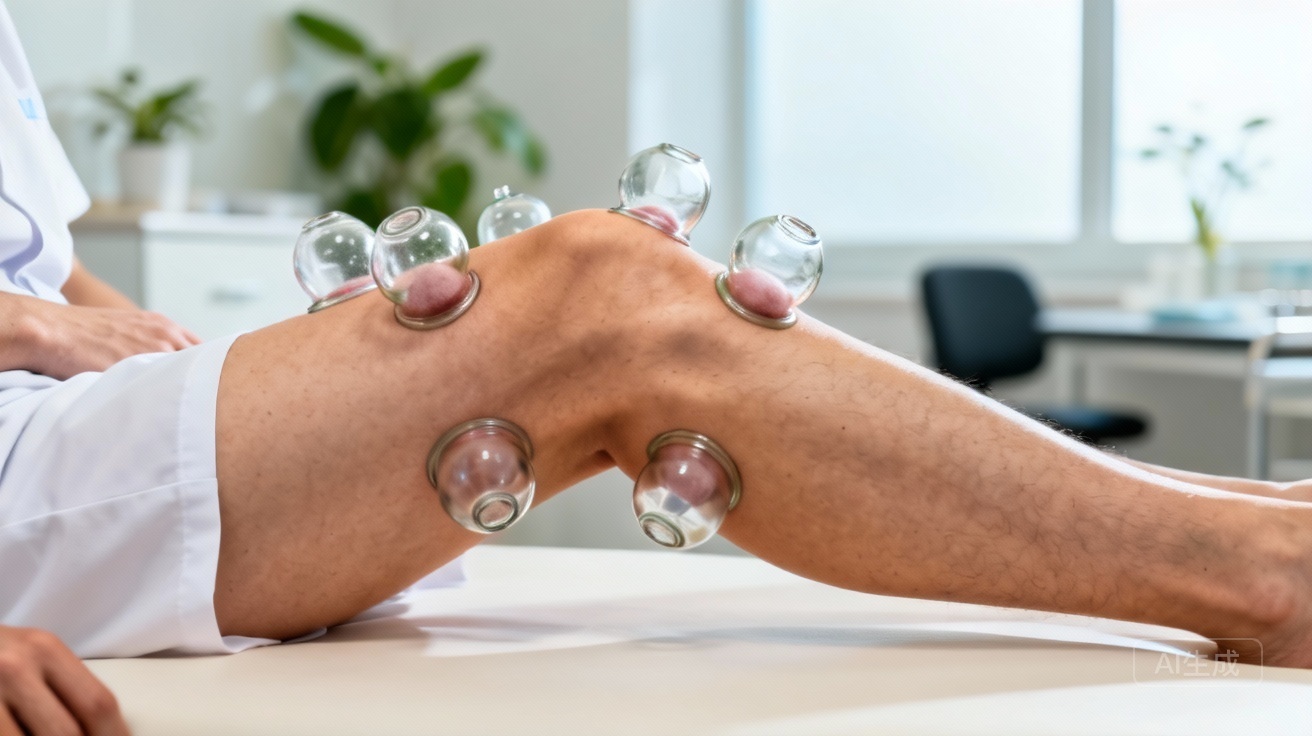
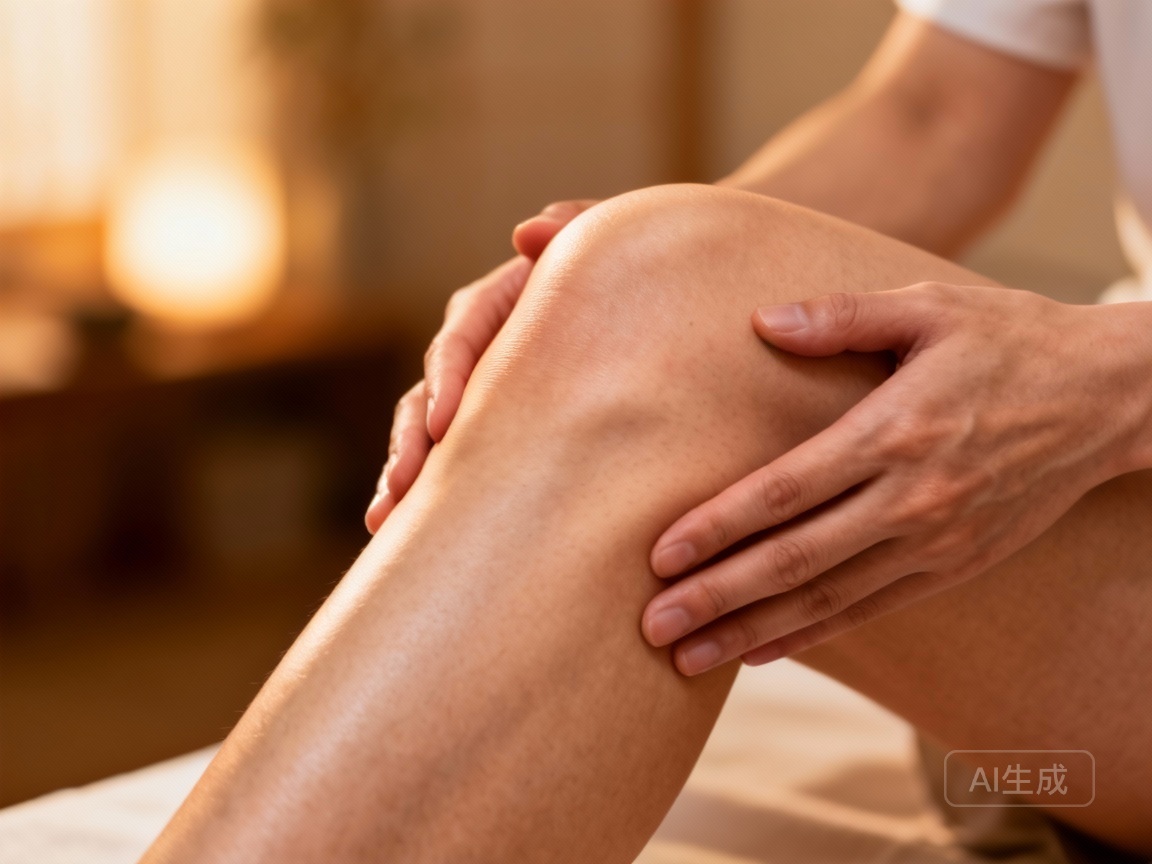
If you're dealing with persistent knee discomfort, Cupping for knee pain could offer a unique approach. This ancient technique involves placing cups on specific points around the knee. The cups create gentle suction, effectively pulling old, stagnant energy. Think of it like a traffic jam in your body’s energy flow, called "Qi stagnation." Cupping aims to clear these blockages and get things moving again, promoting better circulation around the joint. It helps reduce common symptoms such as soreness, swelling, and stiffness in the knees. For more on this traditional therapy, explore our Cupping Therapy guide.
Target Specific Spots: Pinpoint Relief
Practitioners often target key areas like "Xiyan" (knee eyes) or "Zusanli" (stomach 36). These specific points are chosen for their connection to knee health. Your session might involve either "dry cupping" or "fire cupping" techniques. Cups typically remain in place for about 5 to 15 minutes per session. Treatment frequency usually ranges from one to two times per week. Patients typically undergo four to six sessions before evaluating the overall effects.
Unlocking Comfort: When Cupping Can Safely Help Your Knees
Cupping therapy is particularly suited for chronic knee pain conditions. This often includes discomfort caused by external "cold and dampness" trapped in the joint. It also addresses issues stemming from sluggish Qi and blood circulation. These patterns, in Traditional Chinese Medicine, are believed to block natural healing. Cupping gently encourages movement, helping your body restore its balance. It can be a refreshing option for ongoing knee aches. Learn more about specific energy pathways at Acupoints & Meridians.
Know Your Limits: Safe Cupping Practices
However, cupping isn't for everyone, and safety is paramount. You should avoid cupping if you have broken skin or open wounds. It's also unsuitable for areas with varicose veins or bleeding disorders. Do not use cupping on acute, red, hot, or swollen joints. Additionally, individuals with severe systemic medical conditions should consult a doctor first. Always prioritize your health and well-being.
Embracing Evidence: What Science Says About Cupping for Knees
Modern research suggests that cupping can significantly improve local blood flow. It also shows promise in reducing inflammatory responses around the knee joint (PMID: 35056972). While these findings are encouraging, the current scientific evidence remains somewhat limited. Therefore, it is strongly recommended to receive cupping under a qualified TCM practitioner's guidance. This approach often works best when combined with physical rehabilitation and sensible weight management strategies. Cupping for knee pain, especially chronic types, can complement a holistic recovery plan. Consider integrating these practices into your daily Healthy Living routine.
Consult an Expert: Always Prioritize Safety
Never hesitate to seek immediate medical attention for severe knee pain. This is especially important if your pain is accompanied by fever or significant swelling. Remember, cupping is a complementary therapy and not a standalone cure (PMID: 25488028). For optimal results and safety, a professional assessment is crucial (PMID: 37767854). Responsible application ensures the best possible outcomes for your knee health. Addressing your cupping for knee pain safely is always the smartest choice.
Instant Knee Comfort Check & Quick Fixes!
If your knee feels stiff and achy, especially after sitting, then immediately try gentle, slow knee circles in both directions for 30 seconds. If your knee pain is sharp, hot, or accompanied by swelling, then immediately schedule an appointment with your healthcare provider for a professional diagnosis.
Medical Disclaimer:This article is for educational use only and is not a substitute for professional medical advice.