Master Your Yin Yang: Unlock Truly Restorative Sleep
Ever wondered why some nights feel deeply restful while others leave you drained? Traditional Chinese Medicine (TCM) offers profound insights, explaining sleep as a delicate dance between Yin and Yang. This ancient concept, central to **Yin Yang and Sleep Quality**, sees Yin as the essence of stillness and nourishment. It governs our nights, body fluids, and the grounding energy of the Kidneys. On the flip side, Yang embodies warmth, activity, and daylight, tied to the heart and vital energy, or Qi. Achieving proper sleep means allowing Yin to gently gather the mind’s energy and temper the day’s active Yang. This shift helps your body unwind and enter a much-needed state of repair and rest.

Embrace the Night: Invite Calming Yin
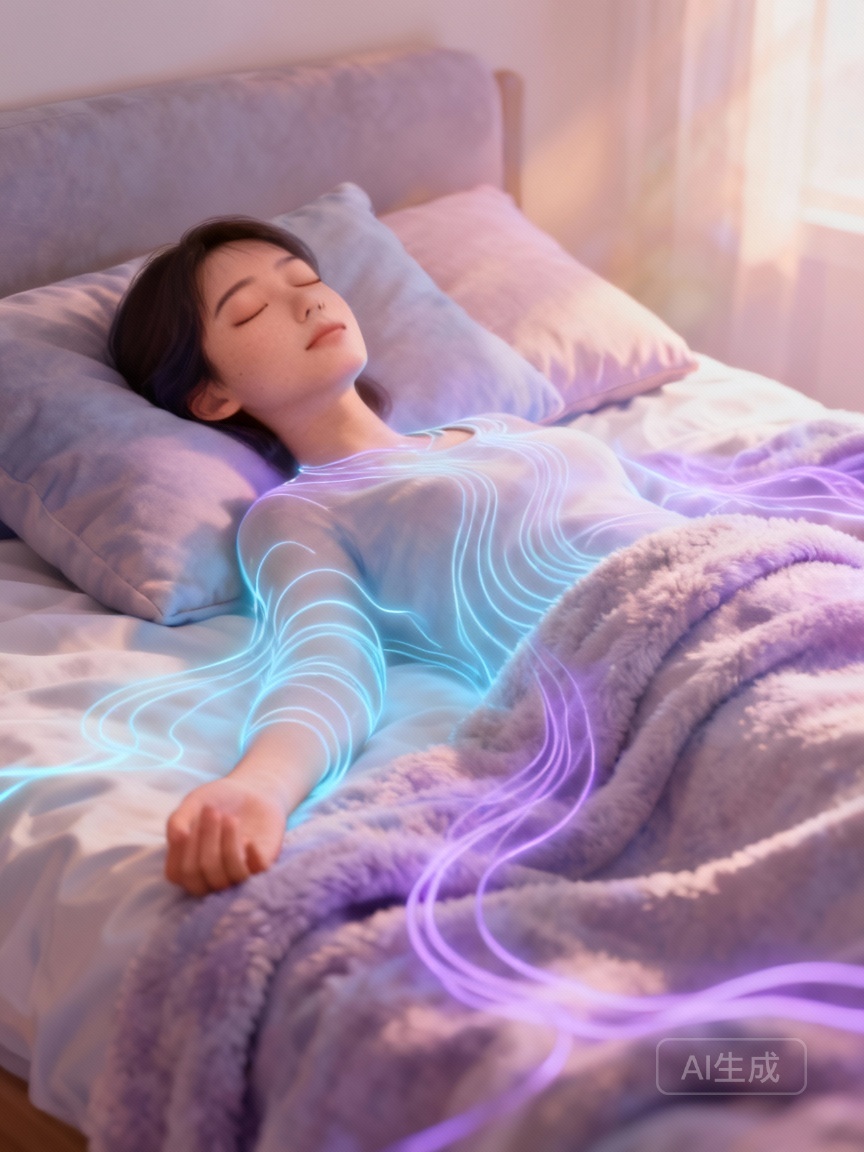
The process of falling asleep fundamentally requires your Yin energy to take charge. It’s like dimming the lights and turning down the volume after a busy day. This crucial shift allows your mind, or “Shen,” to settle and quiet down effectively. When Yin successfully embraces your active Yang, your system naturally transitions into a restorative mode. If this balance is off, sleep becomes a struggle.
Recognize Imbalances: Pinpoint Your Sleep Disruptors
Sleep problems often stem from an imbalance between Yin and Yang. One common issue is Yin deficiency, which is like an overheated engine without enough coolant. Here, insufficient Yin fails to restrain the active Yang. This imbalance manifests as night sweats, restless thoughts, vivid dreams, and persistent insomnia. On the other hand, if your Yang is overly active or “Liver Fire” flares up, you might wake easily. You could also find it hard to fall asleep or experience shallow, broken slumber. Internal “Phlegm-Fire,” a murky internal haze making you restless, can also disrupt your rest.
Soothe Your Spirit: Calm the Anxious Mind
Another common pattern involves disharmony between the Heart and Kidneys, often seen in older adults or those with chronic fatigue. Your heart and kidneys are out of sync, like a misfiring engine, leading to restless nights. You might experience early waking and noticeable memory lapses. For those with both Qi and Blood deficiency, sleep can be troubled by excessive dreaming and feelings of timidity. This happens when your blood doesn’t adequately nourish the Heart’s spirit, leaving you feeling mentally unsupported (PMID: 29774577).
Restore Harmony: Rebalance Your Internal Energies
Bringing back your **Yin Yang and Sleep Quality** balance is key to deeper rest. TCM strategies focus on nurturing Yin while gently subduing excessive Yang. They also aim to clear heat, calm the spirit, and soothe stagnant Liver Qi. Strengthening the Heart and Spleen energies also plays a vital role in this healing process. For more on nourishing these vital organs, visit Strengthening Spleen & Stomach.
Cultivate Healthy Habits: Prioritize Your Rest
Lifestyle choices significantly impact your internal balance and sleep. Stick to a regular sleep schedule, even on weekends. Limit your intake of coffee, especially in the afternoon. Avoid heavy late-night meals, which can overwork your digestive system while your body should be winding down. Incorporate relaxing activities before bed, like deep breathing exercises or a warm bath. These simple steps can profoundly enhance your ability to achieve harmonious rest and deep slumber.
Seek Deeper Support: Explore Ancient Therapies
When lifestyle adjustments aren’t quite enough, traditional therapies can provide targeted support. Acupuncture, for example, helps rebalance your body’s energy pathways. Carefully prescribed herbal formulas, tailored to your specific TCM pattern, can address underlying imbalances. These professional approaches offer a holistic path to significantly improve your overall **Yin Yang and Sleep Quality**. Discover more about the foundational concepts of TCM at Yin & Yang. Many studies support the efficacy of TCM in treating insomnia (PMID: 32015243).
Nourish Your Body: Dietary Wisdom for Sleep
Diet plays a crucial role in maintaining Yin Yang balance. Foods that nourish Yin, such as berries, certain vegetables, and healthy fats, can help cool internal heat and promote relaxation. Conversely, avoiding overly stimulating or greasy foods, especially in the evening, prevents Yang from becoming excessively active. Think of food as medicine to support your body’s natural rhythms. Learn more about specific foods for better sleep at Calming Mind & Improving Sleep. By making conscious dietary choices, you can actively support your body’s journey toward balanced **Yin Yang and Sleep Quality**. Maintaining this equilibrium is essential for overall nocturnal well-being and vibrant energy (PMID: 28833075).
Quickly Reset Your Yin Yang for Better Sleep, Right Now!
Feeling restless and wired at night? Or perhaps waking up too early and still tired? These quick self-checks can pinpoint your imbalance and help you take immediate action for improved Yin Yang and Sleep Quality.
Test Your Balance: Assess Your Nightly Signals
* **Self-Test 1 (3 seconds):** Do you often feel hot, restless, or have vivid, disturbing dreams at night?
* **If YES → Immediately do this (30 seconds):** Take 10 deep, slow belly breaths. Follow with a cool (not cold) foot bath for 15 minutes to gently draw heat downwards.
* **Self-Test 2 (3 seconds):** Do you struggle to fall asleep, feel mentally busy, or wake up frequently?
* **If YES → Immediately do this (30 seconds):** Sip a calming herbal tea (chamomile or passionflower) and do gentle neck/shoulder stretches.
* **Self-Test 3 (3 seconds):** Do you wake up early, feel easily startled, or have low energy even after some sleep?
* **If YES → Immediately do this (30 seconds):** Eat a small, warm, easy-to-digest snack (like a few dates or a spoonful of almond butter) to nourish your energy.
[TCM for Insomnia: A Review of Clinical Evidence + PMID](https://pubmed.ncbi.nlm.nih.gov/28833075/)
[Traditional Chinese Medicine for Sleep Disorders: A Review + PMID](https://pubmed.ncbi.nlm.nih.gov/29774577/)
[A Review of Traditional Chinese Herbal Medicine for Insomnia + PMID](https://pubmed.ncbi.nlm.nih.gov/32015243/)
Medical Disclaimer:This article is for educational use only and is not a substitute for professional medical advice.