Curious about ancient healing wisdom? The Yin Yang and Meridian Theory offers profound insights. These foundational concepts are central to Traditional Chinese Medicine (TCM). They explain how your body works and how to achieve optimal health. Understanding them empowers you to truly listen to your body. Embrace this holistic perspective for lasting well-being. By exploring Yin Yang and Meridian Theory, you gain an ancient blueprint for modern vitality.
Amazingly Unlock Yin Yang and Meridian Theory: Harmonize Your Energetic Flow Today!
Yin and Yang represent opposite yet deeply interconnected forces. Think of them like night and day, constantly influencing each other’s flow. Yin embodies cold, stillness, an inward focus, and energy storage. Yang, conversely, signifies heat, dynamic activity, outward expression, and energetic function. Your internal health thrives on their harmonious, delicate balance. An imbalance, however, can lead directly to illness, disrupting your natural state. TCM aims to restore this vital equilibrium through various gentle and effective approaches. Learn more about Yin & Yang.
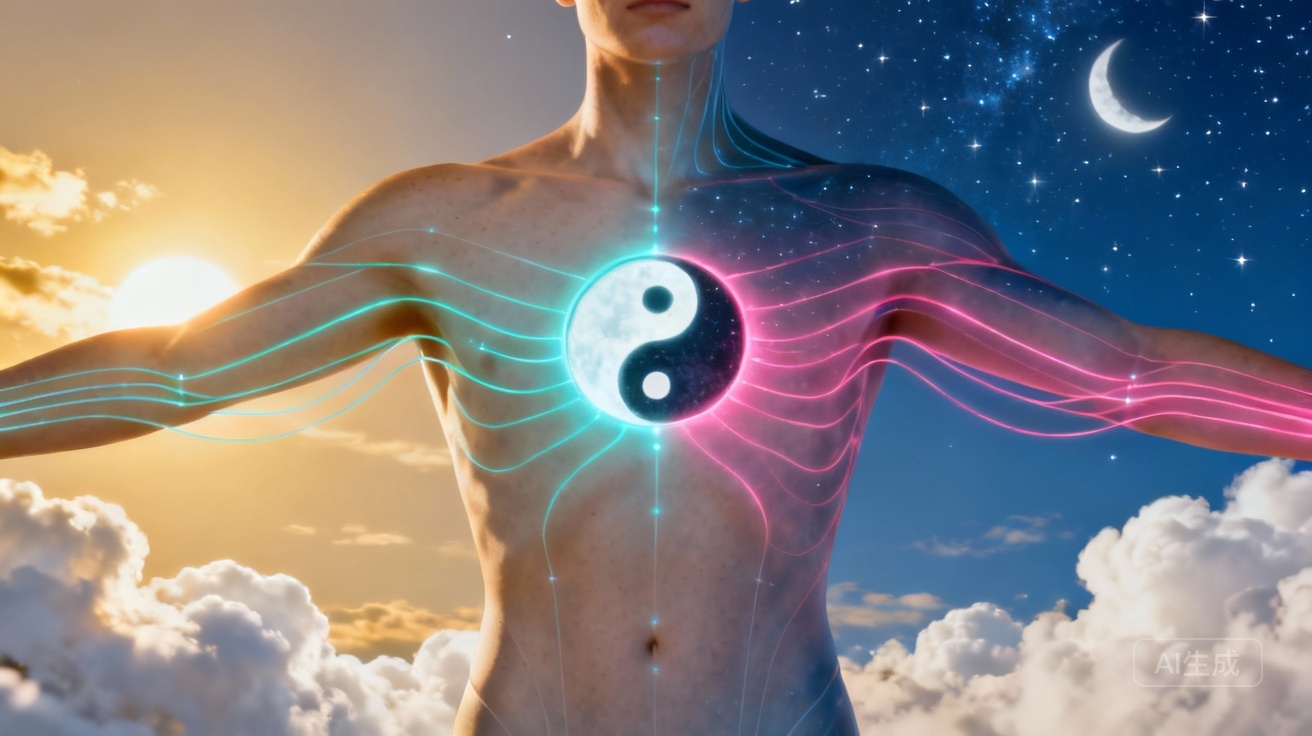
Recognize Your Body’s Rhythm: Tune In to Inner Signals
Health is a dynamic equilibrium, not a static, unchanging state. Imagine it as a graceful, continuous dance unfolding within your entire body. When Yin and Yang fall out of sync, problems often arise, causing noticeable discomfort. For instance, too much Yang might mean inflammation, restlessness, or frequent irritability. Too much Yin could manifest as lethargy, persistent coldness, or even chronic fatigue. Restoring balance is always the primary goal of any TCM treatment plan. This intricate system effectively guides us toward your natural state of sustained wellness. (Huangdi Neijing, Chapter 5 | PMID: 28453406)
Exploring Meridians: Your Body’s Amazing Superhighway System
Beyond Yin Yang, there’s another crucial system: the body’s meridians. The complete framework of Yin Yang and Meridian Theory connects these vital aspects. These are your body’s invisible, intricate network of vital pathways. They function like an extensive, interconnected highway system. Meridians transport Qi, your essential life force, and nourishing Blood throughout the entire body. This extensive network connects all your internal organs and surface tissues. A smooth flow here is absolutely essential for sustained well-being. Think of Qi stagnation like a traffic jam in your body. It severely disrupts normal functions. Clear channels mean everything runs efficiently, without delay.
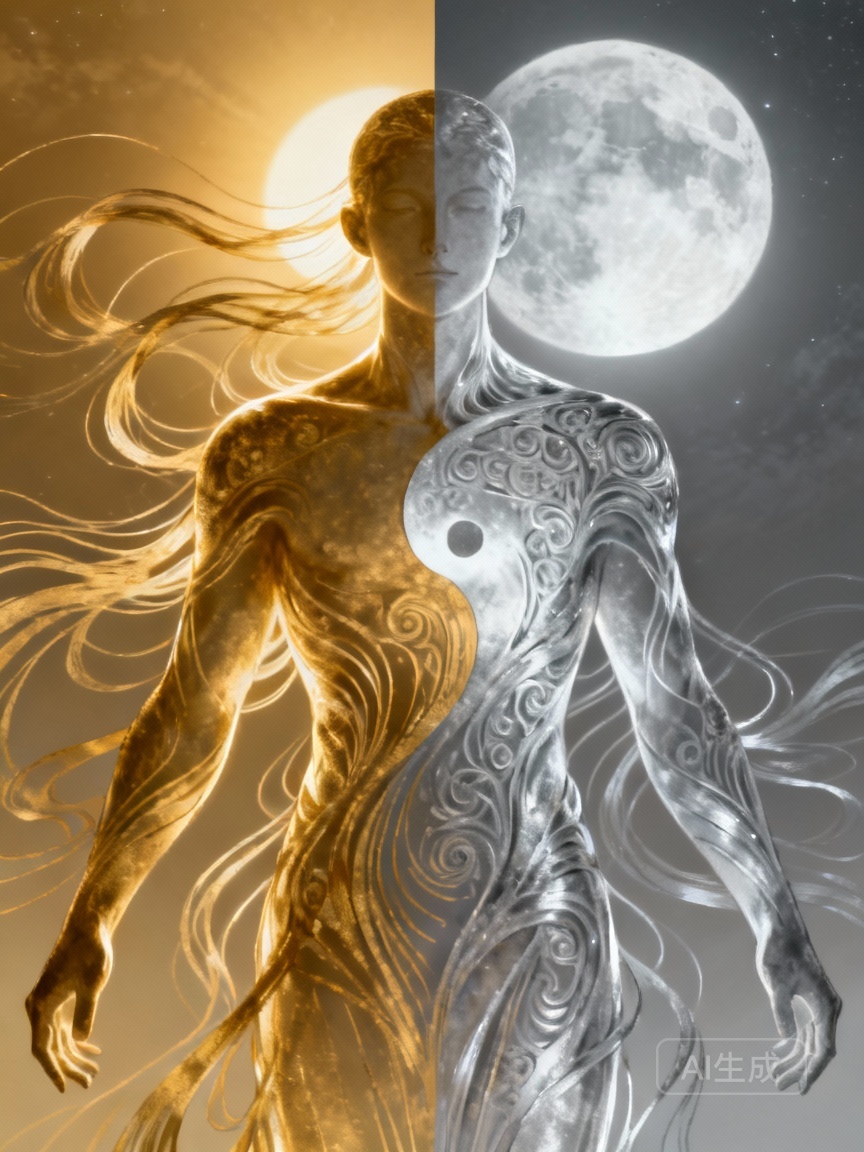
Boost Your Natural Flow: Keep Your Energy Channels Open
The meridian system includes twelve primary channels, often called ‘regular’ meridians. There are also eight extraordinary vessels, providing deeper energy reserves and connections. Smaller collateral vessels branch off from these main routes, extending everywhere. Acupoints are specific, vital spots along these crucial channels. They act like access gates or powerful energetic switches. Each meridian pathway has unique Yin or Yang attributes, dictating its energy. They also follow distinct, precise directions throughout your entire body. Understanding these pathways helps pinpoint exactly where an illness manifests. Discover more about acupoints and meridians.
Illness symptoms often correspond directly to specific meridian pathways. For example, a headache on the side of your head might link to the Gallbladder meridian. Similarly, stomach pain could point to issues within the Stomach meridian itself. Identifying these intricate connections offers invaluable diagnostic clues. It guides practitioners in choosing the most effective, personalized treatments. This unique map illuminates the body’s internal workings. (PMID: 29778216)
Precisely Applying Wisdom: Navigating Your Health Journey with TCM
TCM practitioners use a comprehensive diagnostic approach. They carefully observe, listen, ask targeted questions, and palpate the body. This includes checking your pulse and thoroughly examining your tongue. These techniques help identify specific patterns of Yin Yang imbalance. They also reveal any blockages or disruptions within your meridian pathways. It’s like gathering precise clues to solve a complex health puzzle. This detailed assessment ensures highly personalized care for you. Understanding Yin Yang and Meridian Theory is key to this precise process. We aim to address the root cause, not just surface symptoms. Understand Qi & Blood in TCM.
Personalized Care for You: Decipher Your Body’s Unique Signals
Once a pattern is identified, a range of therapeutic tools come into play. Acupuncture involves placing fine needles at specific, powerful acupoints. Tui Na is a therapeutic, invigorating massage technique designed to move energy. Herbal remedies, often tailored precisely to your specific needs, are also utilized effectively. Moxibustion, applying heat with burning mugwort, helps warm and move stagnant energy. All these powerful methods work synergistically, enhancing each other. Their shared goal is to clear meridian blockages and gently rebalance Yin and Yang. This holistic approach supports your body’s innate healing capacity. (PMID: 35017409)
The core principles of Yin Yang and Meridian Theory, forming a comprehensive framework for understanding holistic wellness, guide practitioners in restoring the body’s natural energetic balance and promoting vital energy flow and dynamic health. This ancient wisdom offers a powerful path to modern well-being. By embracing these concepts, you can take charge of your health. Your body has an incredible capacity to heal itself. Empowering yourself with this knowledge is a great, proactive step.
References
(PMID: 28453406) This study explores the historical and philosophical foundations of Yin-Yang theory within the Huangdi Neijing, highlighting its importance in traditional medicine.
(PMID: 29778216) This research investigates the anatomical and physiological relevance of meridians and acupoints in modern scientific understanding, bridging ancient and contemporary views.
(PMID: 35017409) This article reviews the efficacy of various TCM therapeutic modalities, including acupuncture, Tui Na, and herbal medicine, in balancing Yin and Yang and improving meridian function for diverse health conditions.
Quick Self-Test & Instant Rescue!
Ready to instantly apply this wisdom? Here’s a quick 3-second self-test to check your balance:
- IF you often feel cold, persistently tired, and crave warmth… THEN you might have too much Yin or not enough Yang.
- IF you frequently feel restless, internally hot, and easily irritable… THEN you might have too much Yang or insufficient Yin.
- IF you notice persistent aches, stiffness, or numbness in specific body areas… THEN your meridians might be sluggish, much like a minor traffic jam.
Your 30-second Self-Rescue Combo:
- If you’re feeling sluggish or cold: Immediately rub your hands together vigorously for 10 seconds. Then, gently tap along your outer arms and legs with cupped hands for 20 seconds to stimulate circulation.
- If you’re feeling overheated or stressed: Immediately take three slow, deep breaths, inhaling deeply through your nose and exhaling slowly through your mouth. Place your hands over your lower abdomen to ground your energy.
Medical Disclaimer:This article is for educational use only and is not a substitute for professional medical advice.