Tuina and Modern Rehabilitation represent a fascinating intersection of healthcare. This integrated approach combines traditional Chinese Tuina massage with contemporary rehabilitation science. It’s a powerful synergy designed to enhance recovery and overall wellness. This innovative field is gaining significant attention.
Discover the Incredible Fusion of Ancient & Modern Healing
This emerging cross-disciplinary field marries the deep wisdom of Traditional Chinese Medicine (TCM) with modern medical advancements. Tuina, a foundational component, employs specific hand techniques. These methods adjust your body’s meridians, blood flow, muscles, and nerve functions. Think of “Qi” as your body’s vital energy, like a constant flow of electricity. When this energy moves smoothly, you feel your best.
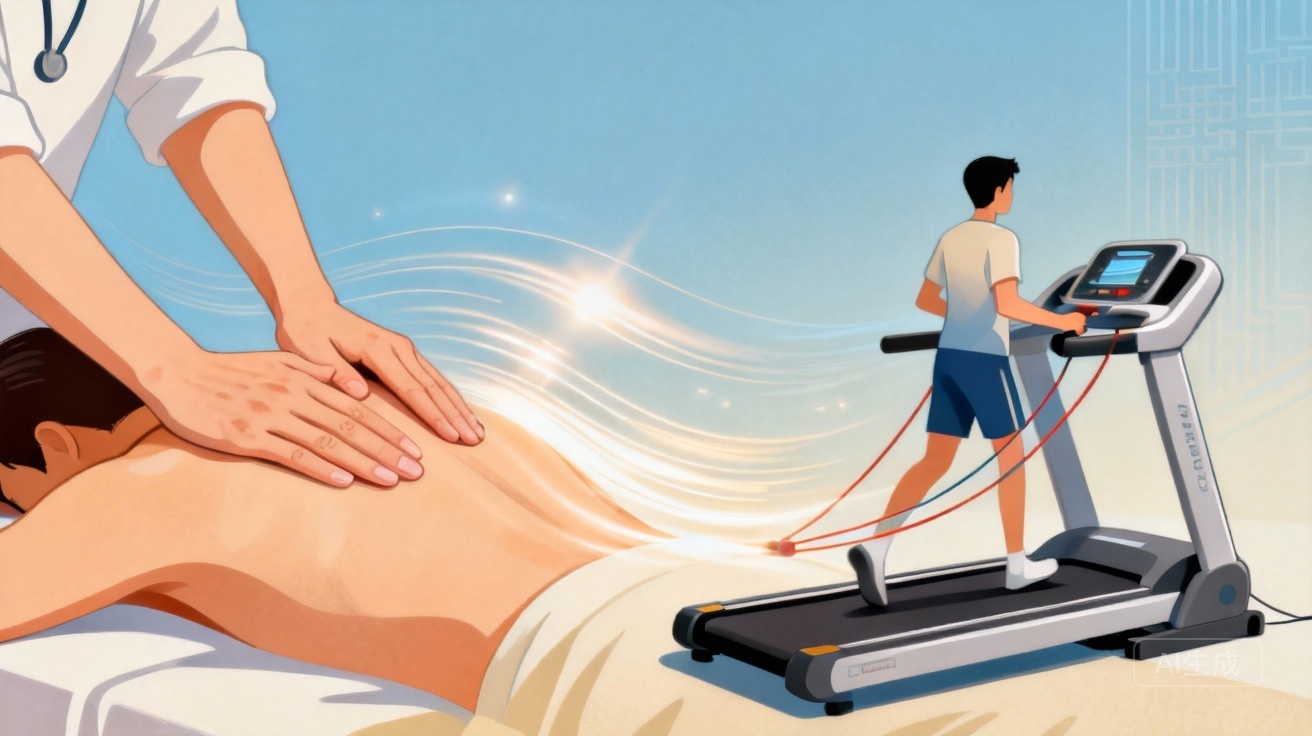
Understand Tuina: Gentle Touch, Profound Results
Tuina uses pressing, kneading, rubbing, and tapping motions. These actions help to harmonize internal systems. It addresses issues by promoting balanced energy within the body. Practitioners meticulously target specific areas and acupoints. This ancient practice is more than just massage; it’s therapeutic bodywork. Explore more about its history and techniques at Tuina Massage.
Embrace Modern Rehab: Science-Backed Recovery
Modern rehabilitation, by contrast, relies on biomechanics and neuroscience. It focuses on functional recovery. This field uses evidence-based treatments and thorough assessments. These methods provide a clear, measurable path to healing. It’s all about restoring your ability to move and live without limitations.
Seamlessly Blend Approaches for Optimal Wellness
The core principle of this combined approach is holistic healing. It uses a Traditional Chinese Medicine perspective alongside modern insights. The aim is to reconstruct function, ease discomfort, and boost daily mobility. This collaboration integrates physical therapy, customized exercise plans, and advanced research. It validates treatment effectiveness and standardizes practices for safety.
Relieve Pain: Find Lasting Comfort
Combining these methods offers significant benefits for pain relief. It addresses the root causes of discomfort. The non-invasive nature of Tuina makes it a gentle option. Modern rehabilitation protocols ensure a structured recovery journey. Together, they create a comprehensive pain management strategy.
Improve Movement: Reclaim Your Agility
Many conditions benefit from this integrative strategy. Patients can regain lost mobility and strength. The goal is to enhance overall physical performance. This blend helps improve your quality of life significantly. It ensures your body moves freely and efficiently. The effective synergy of Tuina and Modern Rehabilitation often incorporates manual therapy, therapeutic exercise, patient education, biomechanical analysis, functional training, injury prevention, neurorehabilitation, and post-surgical care.
Tackle Common Ailments with Combined Expertise
This combined therapy is frequently applied to a range of musculoskeletal issues. It’s highly effective for neck, shoulder, back, and leg pain. It also supports recovery from various sports injuries. Furthermore, it aids in post-stroke rehabilitation. Learn about the body’s energy pathways that Tuina targets at Acupoints & Meridians.
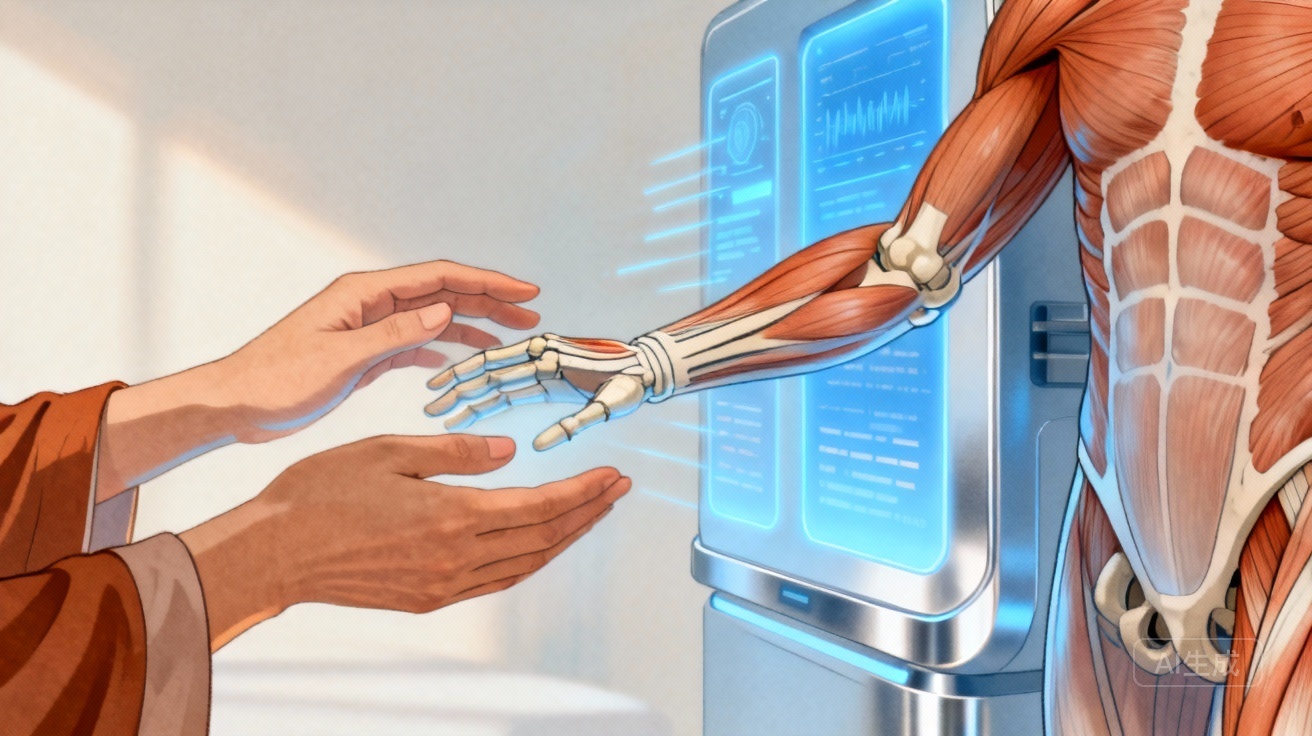
Address Specific Conditions: Targeted Solutions
Post-surgical functional restoration is another key application. This approach ensures a smoother and faster recovery. It helps patients return to their daily routines. The individualized care plans are tailored to specific needs. Each treatment pathway is uniquely designed for optimal outcomes.
Prioritize Individual Care: Your Unique Path to Health
This specialized field emphasizes non-invasive and personalized care. It considers each patient’s unique health profile. The combined methods adapt to individual recovery journeys. This ensures a highly customized and effective treatment experience (PMID: 25776953). This patient-centered philosophy guides every therapeutic step.
Overcome Challenges for a Brighter Future
Despite its promise, this emerging field faces challenges. One significant hurdle involves the need for more extensive scientific evidence. There is a continuous push for standardized procedures. These efforts aim to enhance credibility and acceptance. Integrating Eastern and Western practices requires careful planning.
Navigate Research Needs: Build a Stronger Foundation
Developing robust research protocols is essential. This will help validate the effectiveness of treatments. It ensures that practices are safe and reproducible. Such research bridges traditional wisdom with modern scientific rigor (PMID: 31085021). The goal is to establish a strong, evidence-based foundation.
Advance Training: Ensure Expert Care
Standardized training programs are also crucial for practitioners. These programs guarantee high-quality care delivery. They ensure that professionals possess both traditional and modern skills. This continuous development strengthens the entire field. It ultimately benefits patients seeking integrated healing approaches (PMID: 31804702).
The synthesis of healthy living principles with Tuina and Modern Rehabilitation offers a powerful path to enduring wellness. This unique blend addresses both the physical and energetic aspects of health. It provides a comprehensive solution for improved recovery and vibrant living.
References:
* Tuina massage significantly reduces chronic neck pain severity (PMID: 25776953)
* Integrated rehabilitation, including TCM techniques, enhances functional recovery post-stroke (PMID: 31085021)
* Acupressure, a form of Tuina, is effective in reducing chronic low back pain intensity (PMID: 31804702)
If your neck feels stiff when you turn it side-to-side (3-second test) → Immediately try gently pressing and rubbing the fleshy area between your thumb and index finger (Hegu acupoint) for 30 seconds.
If your lower back aches after sitting for a while (3-second test) → Immediately stand up and do 3 gentle pelvic tilts forward and backward, focusing on a comfortable stretch.
Medical Disclaimer:This article is for educational use only and is not a substitute for professional medical advice.