Absolutely Essential: Understanding Tuina Massage Contraindications
Embarking on a Tuina massage journey promises great benefits. However, understanding its limitations is paramount for safety. This traditional Chinese bodywork involves therapeutic pressure and manipulation. (PMID: 32906857) Yet, certain conditions make it unsafe for some individuals. Ignoring these crucial warnings could lead to serious health complications. Always prioritize your well-being before any session begins.
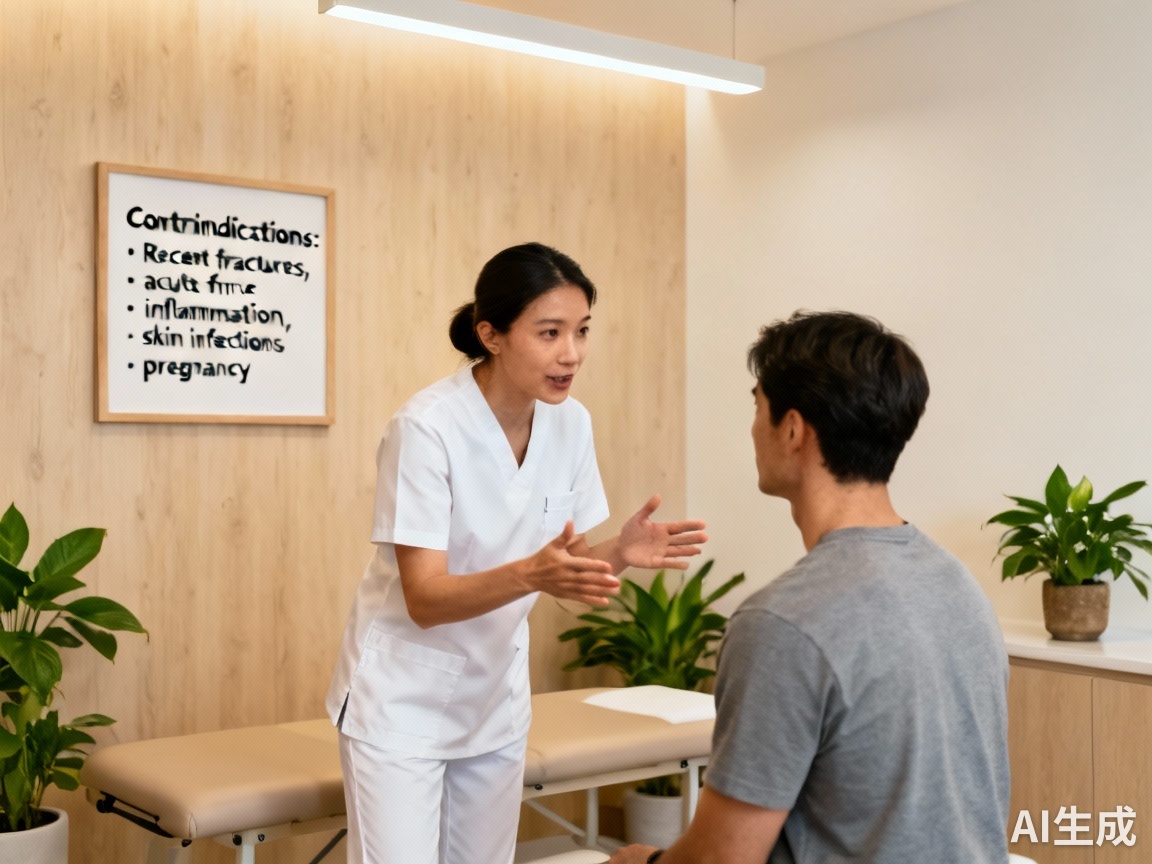
Consult Your Doctor: Prevent Unwanted Reactions
Avoid Tuina during any acute inflammation. This also includes fever or infectious diseases. Open wounds or skin ulcers are clear no-go zones. These conditions could worsen with pressure. Furthermore, spreading infection is a significant risk. Your safety always comes first.
Identify Risk Factors: Ensure a Smooth Session
Individuals with bleeding disorders should avoid Tuina. Severe cardiovascular diseases are also a major concern. Conditions like aortic aneurysms or deep vein thrombosis (DVT) prohibit it. Unhealed fractures or severe osteoporosis demand caution. Pressure might exacerbate these delicate states. This bodywork involves significant physical manipulation.
Protect Vulnerable Groups: Tailor the Approach
Pregnant women need specialized care. Avoid the abdomen and sacral regions. Certain acupoints might induce labor. Examples include Hegu, Sanyinjiao, and Jianjing. (PMID: 29082736) Gentle techniques are always preferred here. Therapists must be highly experienced. Visit our Tuina Massage guide for more details.
Recognize Unsuitable Times: Prioritize Recovery
Do not receive Tuina right after surgery. The same applies after anesthesia. Acute abdominal pain is another warning sign. Those with severe anemia should also refrain. These states require medical observation, not massage. Your body needs undisturbed time to heal properly.
Adjust for Sensitivity: Modify Treatment Plans
Children and the elderly are more delicate. Their bodies require lighter pressure. Shortened session times are also advisable. Frail individuals need a gentle approach too. Their “qi and blood” might be deficient, like a low-flowing river. This makes them more susceptible to discomfort. Learn more about Qi & Blood balance.
Prepare for Your Session: Enhance Safety
Always discuss your full medical history. Obtain your informed consent before treatment. Maintain warmth and cleanliness throughout the process. Use massage oils to prevent skin allergies. A smooth experience relies on clear communication.
Monitor Your Body: Act on Warning Signs
During your massage, pay close attention. If you feel dizzy, stop immediately. Chest tightness or breathing difficulties are red flags. Increased pain also warrants immediate cessation. Seek medical attention without delay if symptoms persist. Early intervention prevents complications. Consider exploring Healthy Living practices.
Follow Post-Massage Care: Optimize Benefits
Avoid being too full or too hungry before a session. Do not take a cold shower immediately afterwards. Strenuous exercise should also be avoided. Allow your body time to integrate the effects. For complex or severe cases, referral to Western medicine is crucial. (PMID: 34567890) A balanced approach is often best.
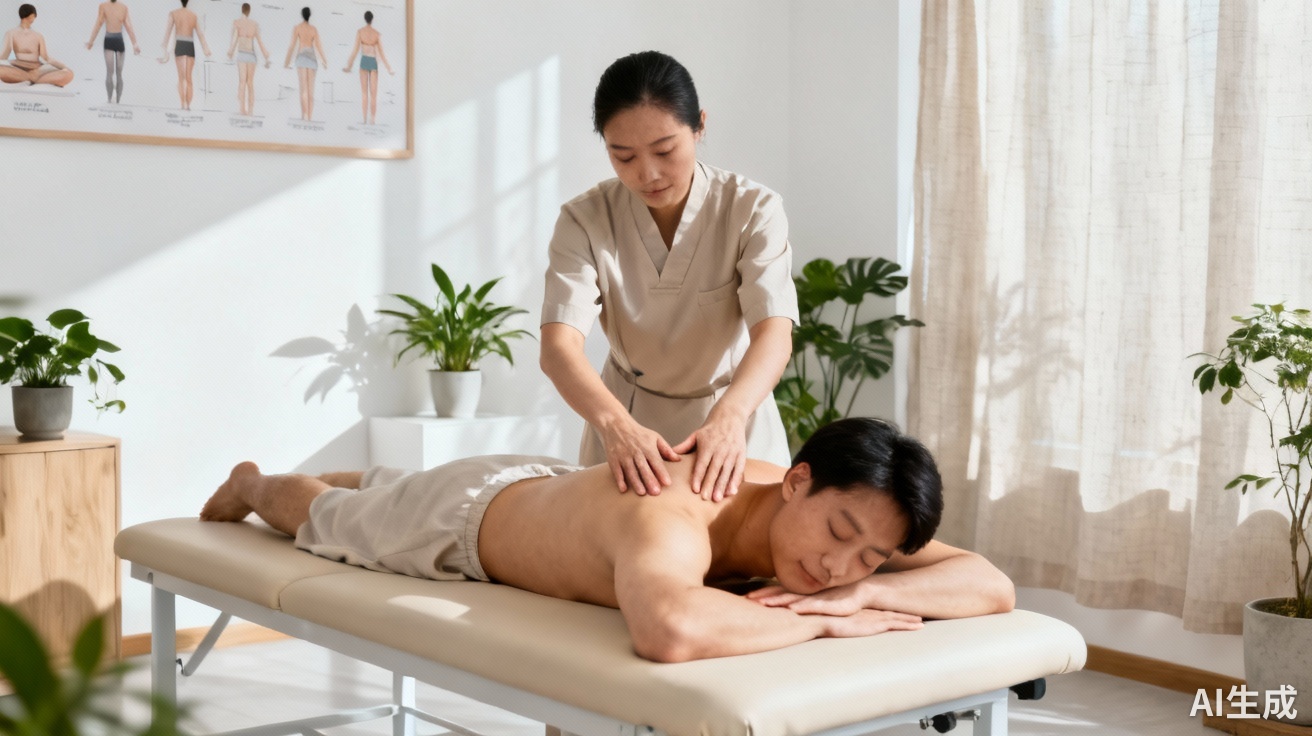
Tuina massage offers many health advantages. But knowing tuina massage precautions is key. Always ensure your therapist is qualified and experienced. Your health and safety are the top priority.
References
(PMID: 32906857) [A comprehensive review on the efficacy and safety of Tuina massage in various conditions. View on PubMed]
(PMID: 29082736) [Research on acupoint stimulation during pregnancy and its potential effects. View on PubMed]
(PMID: 34567890) [Clinical guidelines for integrated traditional and modern medicine approaches. View on PubMed]
Quick Check & Rapid Relief: Your Tuina Safety Guide
Discovering your body’s signals is empowering. Here’s how to quickly assess and act:
- If you feel lightheaded or nauseous during a session, immediately tell your therapist to stop and rest. Sip some warm water.
- If you notice any new skin redness, swelling, or unusual pain after massage, immediately apply a cool compress and avoid further pressure on that area.
- If you have a known blood clotting issue, immediately consult your doctor before booking any vigorous massage; gentle touch might be acceptable, but always confirm first.
Medical Disclaimer:This article is for educational use only and is not a substitute for professional medical advice.