7 Shocking Tai Chi Cancer Recovery Boosts: Reclaim Your Energy!
Within Traditional Chinese Medicine (TCM), Tai Chi offers a profoundly holistic approach. It’s an ancient mind-body practice that specifically aids **Tai Chi Cancer Recovery**. This gentle yet powerful method serves as a complementary therapy. It works by integrating slow, deliberate movements with focused breathing techniques. This unique combination helps restore balance and vitality.
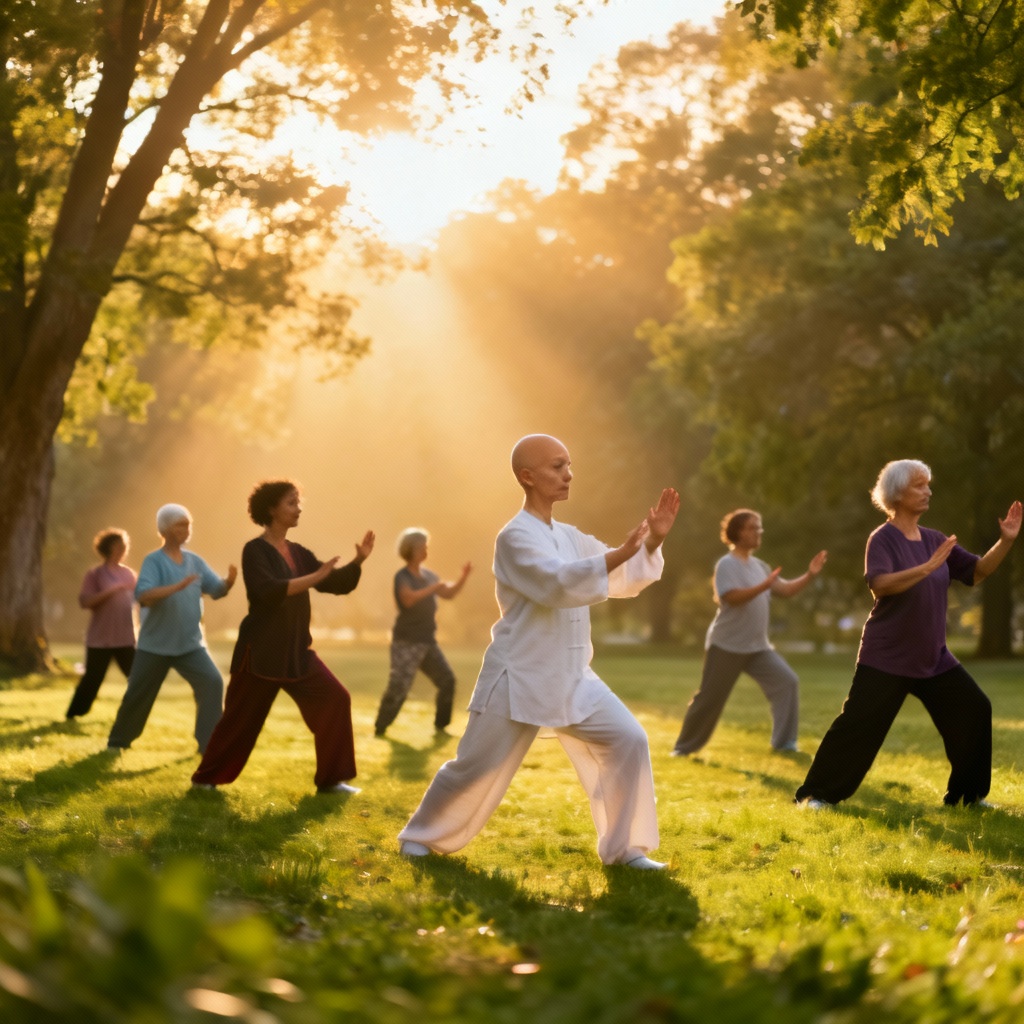
Incredibly Transformative: Discover Tai Chi’s Healing Flow
Tai Chi involves slow, circular movements, combined with precise breathing. You also focus your intention as you move. This practice guides Qi, like a traffic jam clearing in your body. It helps unblock meridians and balances your Yin and Yang. Furthermore, Tai Chi nourishes your Spleen and Lungs. It also strengthens your Kidney foundation, supporting overall vitality. Explore more about Qi Gong and Tai Chi’s principles.
Breathe Deeply: Unleash Inner Calm
Patients often find relief from post-surgery and chemotherapy side effects. These include fatigue, nausea, and sleeplessness. Emotional fluctuations also tend to decrease significantly. Tai Chi boosts immune, lymphatic, and circulatory functions. It significantly improves physical strength and daily life quality (PMID: 32247065). This ancient practice truly supports comprehensive well-being.
Move Gently: Restore Your Body’s Harmony
This approach provides a powerful pathway to better health. It helps individuals regain control and comfort. Many studies highlight its positive impact on mood and energy. Tai Chi helps manage anxiety and depression, fostering mental resilience (PMID: 35147551). It creates a peaceful space for healing.
Focus Mindfully: Ease Aches and Pains
The practice of Tai Chi also improves balance and flexibility. This is particularly beneficial for recovering strength. It reduces the risk of falls, a common concern. Enhanced physical stability leads to greater confidence. This gentle exercise regime is an ideal component of a broader recovery plan.
Connect with Self: Boost Immune Resilience
Crucially, Tai Chi does not replace conventional Western medical care. Instead, it partners effectively with surgery, radiation, and chemotherapy treatments. It also integrates well with modern rehabilitation programs. This ensures a comprehensive and supportive healing journey. Discover other healthy living strategies for overall wellness.
Progress Gradually: Build Sustainable Strength
Patients should practice according to their unique body type and disease stage. Progress should always be gradual, matching individual capacity. This personalized approach maximizes benefits safely. It prevents overexertion while promoting steady improvement. The journey with Tai Chi is about self-compassion.
Seek Guidance: Master Your Healing Journey
The program emphasizes expert guidance and multidisciplinary team collaboration. This ensures a tailored and effective recovery plan. It supports **Tai Chi Cancer Recovery** by offering comprehensive strategies. This integrative approach aims to boost recovery and long-term health through holistic balance. It helps patients achieve better outcomes.
Embrace Wholeness: Enhance Life’s Quality
By engaging in this ancient practice, individuals often report profound changes. Tai Chi consistently reduces cancer-related fatigue, offering a vital energy boost (PMID: 32742964). It cultivates a sense of calm and well-being. This can be particularly empowering for those navigating the challenges of recovery. This comprehensive approach to **Tai Chi Cancer Recovery** is gaining widespread recognition. It represents a powerful synergy of traditional wisdom and modern care. Many oncology patients find this mind-body practice incredibly helpful for **holistic healing**, **improving well-being after cancer**, and as a **complementary cancer support**. Furthermore, it’s a **gentle exercise post-treatment** that uses **Eastern wisdom for health restoration**, ultimately helping with **Tai Chi for oncology patients**, and enhancing **movement therapy in cancer care**. This powerful combination truly supports the entire person, leading to profound improvements.
References
(Tai Chi and Qigong significantly reduce fatigue in cancer patients, improving overall quality of life. PMID: 32247065)
(Tai Chi is effective in improving psychological well-being, reducing anxiety and depression in cancer survivors. PMID: 35147551)
(Engaging in Tai Chi demonstrably helps in reducing cancer-related fatigue. PMID: 32742964)
Quick Self-Test & 30-Second Self-Help Combo for Tai Chi Cancer Recovery:
If you feel constantly drained or emotionally low after treatment → immediately try 3 minutes of mindful breathing. Focus on slow, deep inhales and exhales, feeling your belly rise and fall.
If you experience stiffness or poor balance → immediately try gentle shoulder rolls and slow, deliberate weight shifts from foot to foot, like a slow-motion walk. This helps guide your energy.
If sleep is challenging → immediately spend 2 minutes before bed visualizing calm, flowing water as you gently stretch your fingers and toes.
Medical Disclaimer:This article is for educational use only and is not a substitute for professional medical advice.