Surprisingly Effective: How Qigong for Stroke Recovery Really Works
Qigong, an ancient mind-body practice, offers truly valuable support for **Qigong for Stroke Recovery** processes. It expertly combines focused breathing techniques, mindful movement sequences, and specific static postures for comprehensive well-being. These gentle, deliberate techniques effectively assist individuals throughout their challenging post-stroke rehabilitation journeys and daily life. Qigong encompasses both dynamic, active movements and tranquil, meditative stillness, known as dong gong and jing gong. This practice guides your vital life energy, often called Qi, throughout your entire intricate bodily system. Imagine “Qi stagnation” as a frustrating traffic jam within your body’s essential energy pathways, hindering natural flow. Qigong helps clear this internal congestion efficiently, allowing smooth and unobstructed energy circulation through the body. It significantly improves crucial brain blood flow, effectively enhancing overall nerve function for optimal recovery. This holistic practice actively alleviates abnormal muscle stiffness, a common and often debilitating challenge after a stroke. It also actively promotes awakening and heightened awareness in affected limbs, boosting their responsiveness remarkably. Patients often experience notably better balance and coordination, which is genuinely vital for regaining daily activity independence. Speech and swallowing functions can also show significant, encouraging improvement over time with consistent practice. Many individuals discover deeper, more restorative sleep patterns and achieve greater emotional stability and peace.
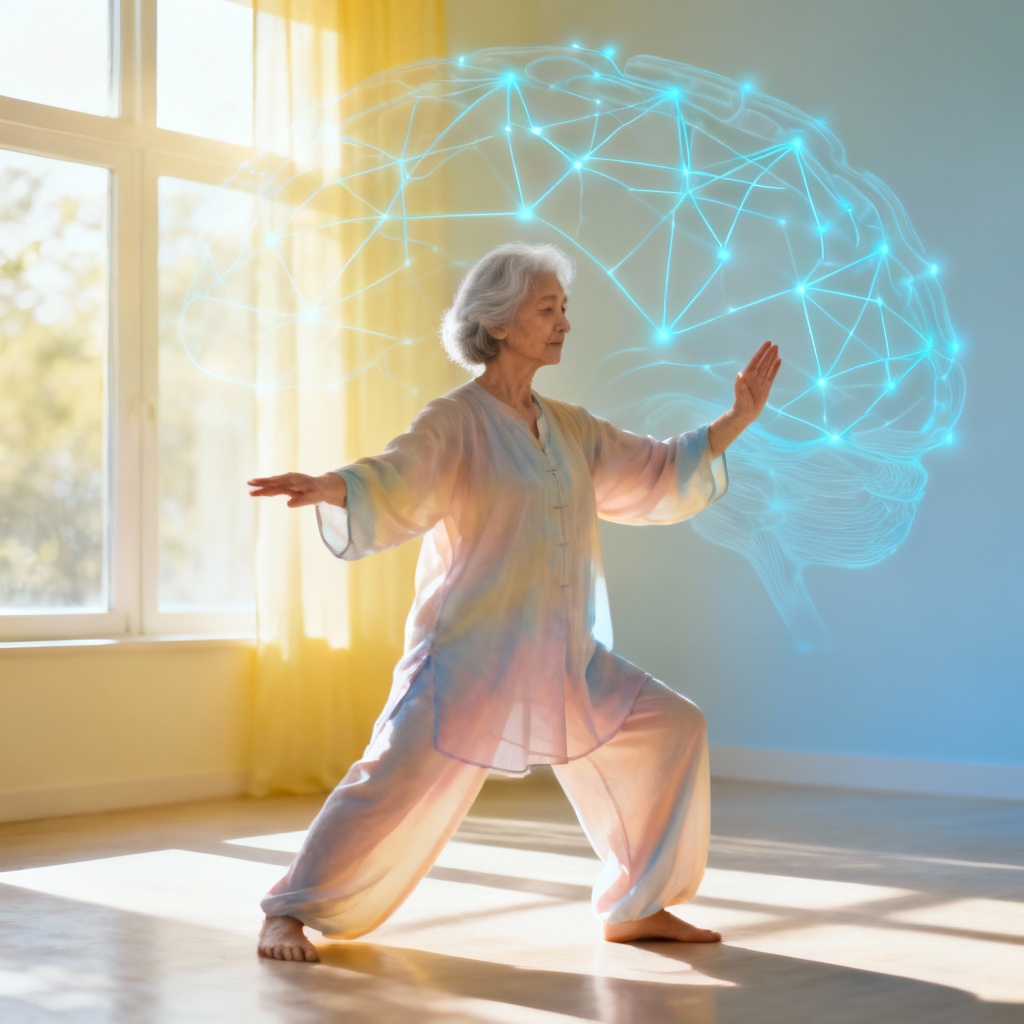
Calm Your Mind: Boost Emotional Balance
Qigong practices often complement conventional Western therapies seamlessly, creating a holistic approach to healing. Physical, occupational, and speech therapy are commonly integrated into a patient’s comprehensive recovery plan. This therapeutic approach is always gradual, highly personalized, and meticulously adapted to individual needs and progress. Expert guidance is absolutely crucial for ensuring safety and maximizing the overall effectiveness of Qigong interventions. Studies clearly show Qigong can significantly improve quality of life and effectively reduce depression in stroke patients (PMID: 29775083). Always ensure your chosen practitioner is fully qualified and experienced in stroke rehabilitation for optimal results. For a deeper understanding of Qigong’s core fundamentals, explore our Qi Gong/Tai Chi Basics section.
Move Your Body: Enhance Physical Function
Popular Qigong forms include Baduanjin (Eight Brocades) and Wuqinxi (Five Animal Play) for various benefits. Tai Chi-guided exercises are also tremendously beneficial, promoting gentle, flowing movements and essential balance. Their characteristic movements are wonderfully slow, controlled, and deeply deliberate, fostering mindful engagement. Breathing and intention work together seamlessly during these practices, creating a profound mind-body connection. This mindful coordination makes Qigong accessible for many patients, regardless of their current physical limitations. Modern research strongly supports Qigong’s broad therapeutic benefits in neurological recovery after a stroke. It may promote neural plasticity and effectively improve microcirculation throughout the body (PMID: 35158654).
Integrate Practice: Accelerate Your Healing
Incorporating Qigong with standard rehabilitation can significantly shorten recovery times effectively, ultimately boosting progress. It also significantly enhances overall quality of life, fostering a greater sense of well-being. Always obtain a comprehensive rehabilitation team assessment first, ensuring a safe and tailored plan. Practice Qigong strictly according to your current ability level, gradually increasing intensity over time. Daily sessions of 10-30 minutes are generally ideal for consistent progress and sustained benefits. Avoid self-practice during acute phases or if you have severe complications without professional supervision. Always follow your doctor’s detailed medical advice closely for optimal safety and outcomes. **Qigong for Stroke Recovery** is a powerful adjunct for **post-stroke rehabilitation, neurological healing, physical restoration, functional improvement, mobility enhancement, brain health, circulatory support, and holistic healing after a stroke.**
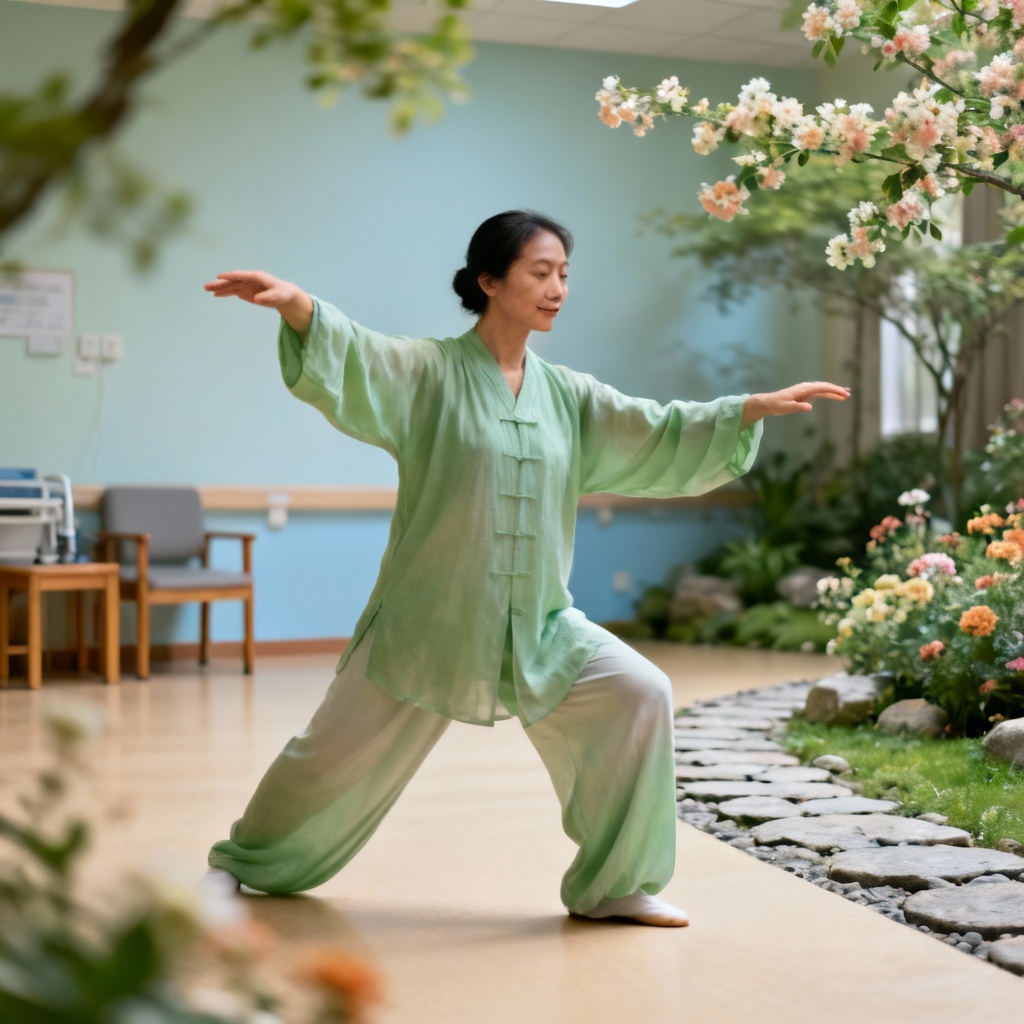
Follow Expert Advice: Ensure Safe Progress
The journey of **Qigong for Stroke Recovery** is truly empowering and profoundly beneficial for many individuals. It offers a gentle yet deeply profound path to regain well-being and enhanced vitality. This ancient art provides a holistic approach, supporting both the physical body and the calming mind. It genuinely empowers individuals towards achieving a fuller, more independent life after stroke.
(PMID: 29775083) Qigong can significantly improve quality of life and reduce depression in stroke patients.
(PMID: 35158654) Studies suggest Qigong may promote neural plasticity and improve microcirculation in stroke recovery.
(PMID: 31055743) Tai Chi and Qigong are effective in enhancing motor control, balance, and quality of life for stroke patients.
Quick Check & Instant Relief:
* If you feel your balance is unstable for more than 3 seconds while standing, immediately try a supported standing posture. Hold onto a sturdy chair or wall, focus on your feet, and take 5 slow, deep belly breaths.
* If your mind feels foggy or overwhelmed, immediately find a quiet spot and close your eyes. Inhale deeply through your nose for 3 seconds, hold for 3 seconds, then exhale slowly through your mouth for 6 seconds. Repeat 3 times.
* If you notice stiffness in a limb, immediately try gentle, slow, circular movements (e.g., wrist circles or ankle rotations). Perform 5 repetitions in each direction, coordinating with your breath.
Medical Disclaimer:This article is for educational use only and is not a substitute for professional medical advice.